
Collagen is the most abundant protein in the human body, serving as a critical building block for skin, joints, bones, tendons, and connective tissues. It provides structure, strength, and elasticity to our skin and keeps our joints functioning smoothly. As we age, our natural collagen production declines, leading to common signs of aging such as wrinkles, sagging skin, joint stiffness, and weaker bones. Maintaining healthy collagen levels is essential not only for cosmetic benefits but also for overall structural integrity and physical well-being.
Rise of Collagen Supplements: Powders, Capsules, and Now — Liquid Collagen
In recent years, the wellness industry has seen an explosion in the popularity of collagen supplements. Originally popularized in powdered or capsule form, collagen is now widely available as a convenient and highly absorbable liquid. Liquid collagen is often preferred for its ease of use, faster absorption, and often better taste profiles. As consumers prioritize results and simplicity, liquid collagen has emerged as a go-to choice for skincare, joint support, and holistic health.

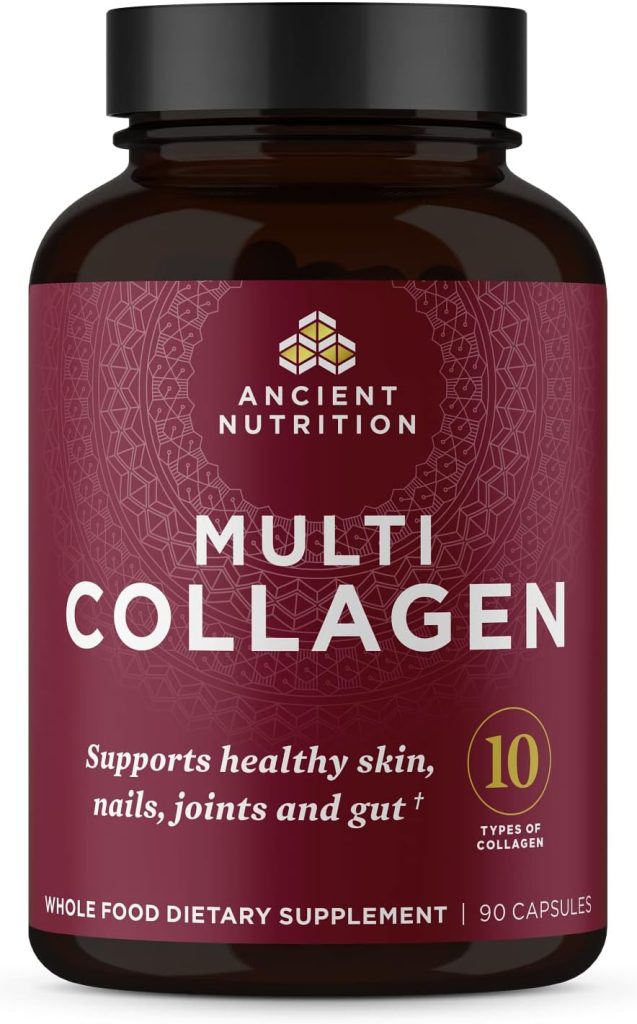
Ancient Nutrition Collagen Peptides Pills,
Hydrolyzed Multi Collagen Supplement, Types I, II, II, V & X, Supports Healthy Skin and Nails, Gut Health and Joints, 90 Capsules

Definition and Role of Collagen in the Body
Collagen is a fibrous protein composed mainly of amino acids like glycine, proline, and hydroxyproline. It acts as the glue that holds the body together, forming the framework of skin, muscles, tendons, ligaments, cartilage, and bones. It supports skin elasticity, wound healing, and the strength of hair and nails.
Types of Collagen (Type I, II, III, etc.)
There are at least 28 known types of collagen, but the most common and relevant are:
Type I: Found in skin, bones, tendons, and organs; accounts for 90% of the body’s collagen.
Type II: Found in cartilage and is essential for joint health.
Type III: Found in skin, muscles, and blood vessels; supports the structure of organs.
Type V and X: Play specialized roles in cell surfaces and cartilage formation.
Natural Collagen Production and Aging
Our bodies produce collagen naturally, but production starts to decline as early as age 25. Environmental stressors like UV exposure, smoking, poor diet, and pollution can accelerate this process. This leads to visible signs of aging, decreased joint mobility, and weakened connective tissue. Supporting collagen synthesis through diet and supplementation becomes vital with age.
2. What Is Liquid Collagen?
Overview of Liquid Collagen Supplements
Liquid collagen is a form of hydrolyzed collagen (also known as collagen peptides) that has been broken down into smaller amino acid chains for easier absorption. It is typically packaged in ready-to-drink bottles or single-serve ampoules and often includes additional nutrients like vitamin C, hyaluronic acid, or biotin to boost collagen production.
Sources: Marine, Bovine, Chicken, and Porcine
Marine Collagen: Sourced from fish skin and scales; high in Type I collagen and known for superior bioavailability.
Bovine Collagen: Derived from cow hides and bones; rich in Types I and III.
Chicken Collagen: Primarily Type II collagen; beneficial for joint health.
Porcine Collagen: Comes from pigs; similar in composition to human collagen and often used in cosmetics.
Hydrolyzed Collagen vs. Gelatin vs. Native Collagen
Hydrolyzed Collagen (Peptides): Broken down into small peptides, highly bioavailable, and commonly found in liquid supplements.
Gelatin: Cooked collagen that forms gels; used in food products but less bioavailable.
Native Collagen: Undenatured and not broken down; less effective for absorption.
3. How Liquid Collagen Works
Absorption and Bioavailability
Liquid collagen is praised for its high bioavailability due to hydrolyzation. The small peptides are quickly absorbed into the bloodstream through the digestive tract, typically within 30 minutes to an hour. This rapid absorption may lead to quicker and more noticeable benefits, especially for the skin and joints.
Comparison with Powder and Capsule Forms
While powders and capsules are effective, liquid collagen may provide an edge in speed and convenience. Capsules can take longer to digest and are often lower in dosage, while powders may require mixing and can have taste or texture issues. Liquid collagen, especially flavored types, is easy to consume and requires no preparation.
Scientific Studies Supporting Liquid Collagen Efficacy
Several studies support the effectiveness of hydrolyzed collagen:
A 2014 study published in Skin Pharmacology and Physiology showed that women who took 2.5-5g of collagen peptides daily for 8 weeks had significant improvements in skin elasticity and hydration.
Research in Current Medical Research and Opinion (2008) found that collagen hydrolysate supplementation significantly reduced joint pain in athletes.
Multiple reviews have confirmed collagen peptides help improve skin moisture, elasticity, and reduce signs of aging.
4. Benefits of Liquid Collagen
Skin Health
Improved Elasticity
Collagen supports skin’s structural integrity. Supplementation has been shown to restore elasticity, reducing sagging and improving firmness.
Reduced Wrinkles and Fine Lines
By replenishing collagen levels, skin becomes plumper, diminishing the appearance of wrinkles and fine lines.
Skin Hydration and Glow
Collagen increases the skin’s ability to retain moisture, which improves texture and radiance. Many liquid collagen products include hyaluronic acid for added hydration.
Joint and Bone Health
Cartilage Repair
Type II collagen is a key component of cartilage. Supplementing with it helps rebuild and repair joint cartilage, improving mobility.
Osteoarthritis and Joint Pain Relief
Clinical studies have found collagen effective in reducing symptoms of osteoarthritis and joint pain, especially when paired with anti-inflammatory nutrients.
Hair and Nails
Strength and Growth
Collagen provides amino acids that are essential for keratin production, leading to stronger, shinier hair and reduced breakage in nails.
Gut Health
Collagen and Gut Lining Repair
Collagen helps strengthen the gut lining, which may improve digestion and help manage conditions like leaky gut syndrome.
Muscle Mass and Recovery
Collagen’s Role in Sarcopenia and Fitness Recovery
Collagen supplementation can help maintain lean muscle mass in aging adults. Studies suggest it may aid in muscle repair and recovery when combined with resistance training.