Laser treatment for hyperpigmentation drives a lot of people up the wall — no matter their age or skin type. Dark spots, blotchy patches, sun damage, melasma, those annoying marks left after breakouts — they can really mess with your confidence and how you feel about your skin. Sure, you can try creams, serums, or some home hacks. Sometimes they help a little. But when those spots just won’t budge, you need something stronger.
This is where Laser treatment for hyperpigmentation steps in. It’s become one of the top choices for fading dark spots and getting skin to look brighter and more even. No cutting, no needles — just focused light that targets the extra pigment and breaks it up. People see real, lasting results.
So, what’s actually involved? In this guide, I’ll walk you through how laser treatment tackles hyperpigmentation, what kinds of lasers doctors use, the upsides, the downsides, what it costs, and how well it works. By the end, you’ll have a better sense of whether it’s the right move for your skin.
Table of Contents

What Is Hyperpigmentation?
Hyperpigmentation happens when your skin cranks out too much melanin—the stuff that gives your skin its color. Suddenly, you’ve got dark patches that stand out from the rest of your skin.
You’ll see different types of hyperpigmentation:
Sunspots (or solar lentigines) come from spending too much time in the sun.
Melasma mostly shows up during pregnancy thanks to hormones.
Post-Inflammatory Hyperpigmentation (PIH) pops up after your skin deals with acne, burns, or other injuries.
Age spots? Blame aging and years of sun exposure.
Freckles can be genetic, but the sun can make them show up too.
These dark spots show up on your face, neck, hands, arms—basically anywhere the sun hits most.
Why Creams Don’t Always Work
A lot of people start with creams or serums they find over the counter, or get from their doctor—things with hydroquinone, retinoids, vitamin C, or kojic acid. Sometimes these help, especially if your pigmentation is mild. But honestly, they usually take forever to show any difference. They don’t always get deep enough to tackle stubborn pigment. They can irritate your skin, and the results don’t tend to last.
That’s where lasers come in. They go deeper and work right at the source.
So, What’s Laser Treatment, Anyway?
Laser treatment uses focused beams of light to target the dark pigment in your skin. That light breaks the melanin down into tiny bits, and your body’s immune system clears it out.
Here’s what you need to know: It’s not surgery. It barely breaks the skin. The doctor can zero in on just the spots you want gone. And it works for a lot of different skin types. Instead of just bleaching the surface, lasers actually treat the root of the problem.
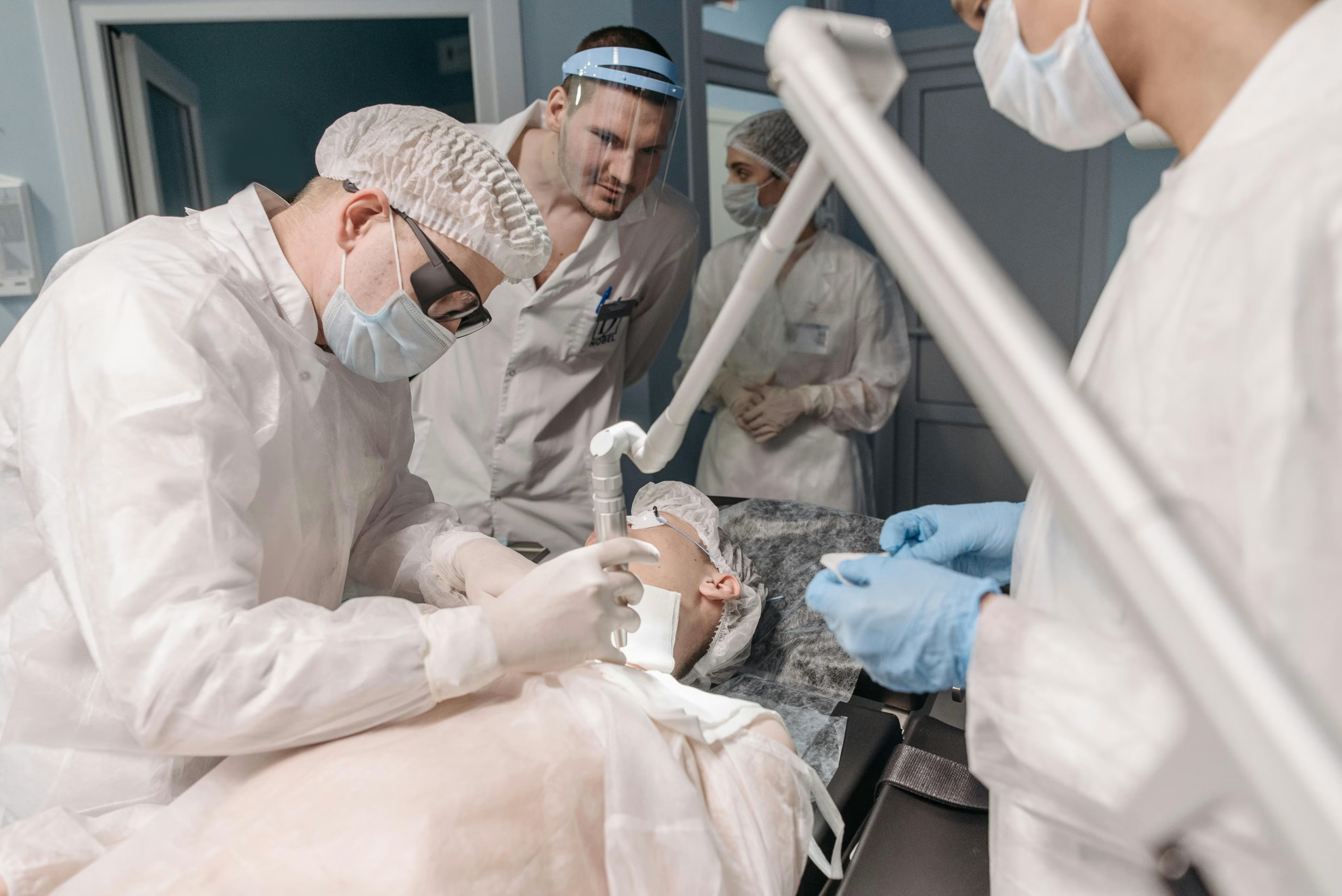
How a Laser Session Goes
First, they’ll clean your skin and get you set up with eye protection. Then, the laser pulses light onto the dark spots. The melanin soaks up the energy and breaks apart. Over time, those patches fade as your skin renews itself.
The best part? The rest of your skin stays pretty much untouched. When done by a pro, laser treatment is both safe and effective.
Types of Laser treatment for hyperpigmentation
1. Q-Switched Nd:YAG Laser
Great for treating melasma and deep pigmentation. Works well on darker skin tones. It goes after melanin but leaves the rest of your skin alone.
2. Pico Laser (Picosecond Laser)
Fires off ultra-fast pulses. It really tackles stubborn pigmentation. Plus, you barely need any downtime.
Helps with pigmentation and smooths out skin texture. It also boosts collagen. Good choice if you’re dealing with acne scars or sun damage.
Technically, it’s not a laser, but it works for surface-level pigmentation. Best for fair to medium skin tones.
Benefits of Laser Treatment for Hyperpigmentation
1. Visible Results
Laser treatments work faster and show more obvious changes than just using creams.
2. Precision Targeting
They hit only the pigmented spots and leave healthy skin alone.
3. Long-Lasting Effects
Stick with a good skincare routine, and your results can last for years.
4. Minimal Downtime
Most laser sessions won’t keep you out of action. You can get back to your routine pretty quickly.
5. Suitable for Multiple Skin Types
Modern lasers are safe for darker skin tones too.
Is Laser Treatment Effective for Hyperpigmentation?
Yes, it works. Laser treatment is proven to cut down pigmentation. Most people start seeing better skin after just a few sessions. Spots keep fading over time.
What Affects Your Results?
The type of hyperpigmentation you have matters. So does how deep the pigment is, your skin tone, how many sessions you get, and how well you protect yourself from the sun. Melasma usually needs maintenance treatments, but sunspots often fade faster.
How Many Laser Sessions Will You Need?
For mild pigmentation, you’re looking at about 2 to 4 sessions. Deeper or hormonal pigmentation usually takes 4 to 6. Most people space sessions out by 3 to 6 weeks.
What Happens After Laser Treatment?
After your session, you might notice a bit of redness or warmth. Sometimes spots get darker before they fade. You could see some light peeling or dryness. Usually, these effects go away in a few days.
Laser Treatment Cost for Hyperpigmentation
Average Cost in the USA
$250–$600 per session
Full treatment may cost $1,000–$3,000
Costs depend on:
Type of laser used
Clinic expertise
Area being treated
Number of sessions
Laser treatments are typically considered cosmetic and not covered by insurance.
Is Laser Treatment Safe?
When performed by a qualified dermatologist, laser treatment is very safe.
Possible Side Effects
Temporary redness
Mild swelling
Rare blistering or burns (improper use)
Temporary post-treatment darkening
Proper skin assessment reduces risks significantly.
Who Is a Good Candidate?
Laser treatment is ideal for people who:
Have stubborn dark spots
Have failed topical treatments
Want faster results
Can commit to sun protection
Are in good overall skin health
Pregnant women and people with active infections may need to postpone treatment.
Laser Treatment vs Chemical Peels
| Feature | Laser Treatment | Chemical Peel |
|---|---|---|
| Depth Control | Highly precise | Limited |
| Downtime | Minimal | Moderate |
| Effectiveness | High | Moderate |
| Skin Types | Most | Limited |
| Sessions Needed | Fewer | More |
Post-Laser Skincare Tips
To maintain results:
Use broad-spectrum sunscreen daily
Avoid direct sun exposure
Use gentle cleansers
Apply dermatologist-recommended serums
Avoid harsh exfoliation
Sun protection is critical to prevent recurrence.
Can Hyperpigmentation Return After Laser Treatment?
Yes, especially in cases of melasma or continued sun exposure. Maintenance treatments and consistent sunscreen use help preserve results.
Myths About Laser Treatment for Hyperpigmentation
Myth: Laser treatment thins the skin
Fact: It stimulates healthy skin renewal
Myth: Lasers are unsafe for dark skin
Fact: Modern lasers are safe when used correctly
Myth: One session is enough
Fact: Multiple sessions ensure lasting results
Choosing the Right Clinic
Before treatment:
Choose a board-certified dermatologist
Ask about laser type and experience
Review before-and-after photos
Discuss realistic expectations
Frequently Asked Questions (FAQs)
Does laser treatment permanently remove hyperpigmentation?
It can significantly reduce pigmentation, but sun protection is essential to prevent recurrence.
When will I see results?
Initial improvement may appear within 2–4 weeks, with continued fading over months.
Is laser treatment painful?
Most patients describe it as mild discomfort, similar to a rubber band snap.
Final Verdict: Is Laser Treatment for Hyperpigmentation Worth It?
Laser treatment for hyperpigmentation is one of the most effective, science-backed solutions for achieving clearer, brighter skin. It offers faster results, deeper pigment targeting, and longer-lasting improvement compared to traditional treatments.
For individuals struggling with stubborn dark spots or uneven tone, laser therapy can be a life-changing investment when performed by a skilled professional.