In the world of health and wellness, glutathione is often praised as the “master antioxidant.” Its role in detoxification, immune support, and skin brightening has garnered attention across various industries. But a lesser-known topic that’s starting to surface is whether glutathione can influence hormone levels—particularly estrogen and testosterone. Is there scientific merit behind this idea, or is it another wellness myth?
This article dives deep into the potential hormonal effects of glutathione, exploring what current research says and how it might relate to both men’s and women’s hormonal health. If you’re curious about how this powerful antioxidant could interact with your body’s natural hormones, you’re in the right place.
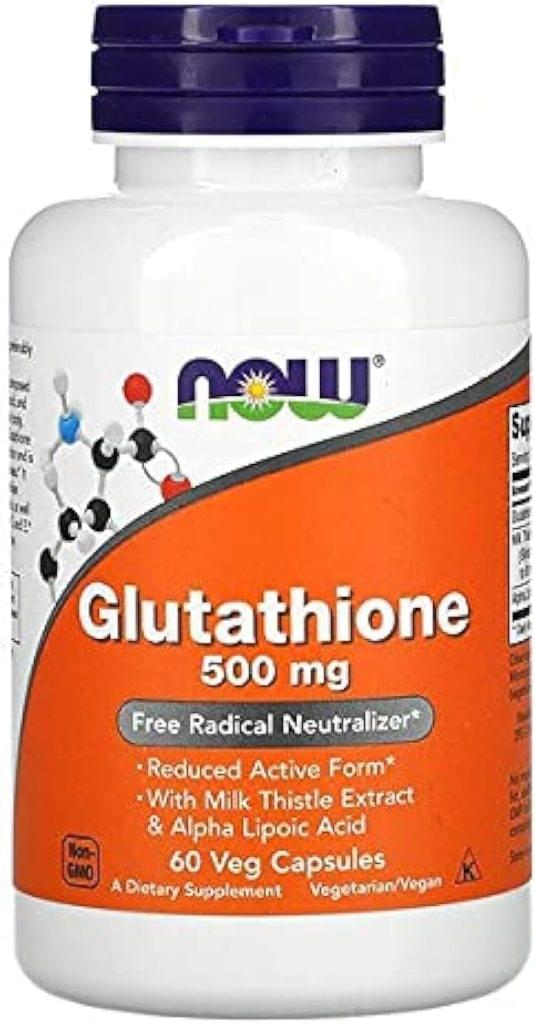
Now Foods - Glutathione Cellular Antioxidant 500 mg. - 60 Vegetarian Capsules
Brand NOW Foods Unit Count 60 Count Item Form Softgel Item Weight 0.08 Kilograms

Table of Contents
The Connection Between Antioxidants and Hormones
Hormones are chemical messengers that control everything from mood and metabolism to reproduction and growth. They are sensitive to the internal environment, including oxidative stress and inflammation. When oxidative stress increases, it can negatively impact the glands that produce hormones—such as the thyroid, adrenal glands, ovaries, and testes.
Glutathione, as a potent antioxidant, plays a crucial role in reducing this oxidative stress. By maintaining cellular integrity and regulating inflammation, it indirectly supports hormone-producing organs.
But how direct is its effect on key sex hormones like estrogen and testosterone?
Can Glutathione Affect Estrogen Levels?
Understanding Estrogen
Estrogen is a primary female sex hormone but is also found in men in smaller amounts. It regulates reproductive health, menstrual cycles, bone density, mood, and more. Estrogen is mainly produced by the ovaries in women and in fat tissue and adrenal glands in both sexes.
Glutathione and Estrogen Detoxification
One of the most discussed links between glutathione and estrogen involves estrogen metabolism and detoxification.
In the liver, estrogen is metabolized through Phase I and Phase II detoxification pathways. Glutathione plays a key role in Phase II, which involves conjugating hormones and toxins for safe elimination through bile or urine.
When the liver is burdened or sluggish, estrogen metabolites can recirculate in the body. This leads to estrogen dominance, a condition associated with symptoms like bloating, breast tenderness, mood swings, and even increased risk of hormone-related cancers.
By supporting liver detoxification, glutathione helps the body clear excess estrogen more efficiently. This doesn’t necessarily mean glutathione lowers estrogen, but it helps maintain balanced levels by preventing estrogen buildup.
Does Glutathione Increase Estrogen?
There is limited evidence suggesting that glutathione supplementation directly increases estrogen levels. Instead, it appears to enhance estrogen balance by aiding in its proper metabolism. In cases of estrogen dominance, this may lead to a perceived “lowering” effect. In cases of low estrogen, however, it might help improve hormonal function indirectly through liver and antioxidant support.
Can Glutathione Affect Testosterone Levels?
Understanding Testosterone
Testosterone is the primary male sex hormone, though it is also present in females in smaller amounts. It plays a vital role in muscle mass, libido, mood, energy, and fertility. Low testosterone can result from chronic illness, stress, obesity, or aging.
Oxidative Stress and Testosterone Production
The testes (in men) and adrenal glands (in both sexes) are responsible for testosterone production. These organs are highly susceptible to oxidative damage. Several studies have linked oxidative stress with impaired testosterone synthesis, reduced sperm quality, and lowered libido.
Glutathione’s Role in Testicular Health
Research indicates that glutathione supports testicular function by protecting Leydig cells—the cells in the testes responsible for testosterone production—from oxidative damage. One 2016 animal study published in Andrologia found that rats exposed to oxidative stress showed improved testosterone levels when treated with glutathione.
In men suffering from low testosterone due to oxidative damage, glutathione supplementation might help restore natural testosterone production.
However, this effect is indirect—glutathione doesn’t act like a hormone replacement therapy. It helps create a healthier cellular environment where testosterone can be produced more efficiently.
Glutathione and the Endocrine System
The endocrine system includes all glands that produce hormones—thyroid, adrenal glands, pancreas, ovaries, and testes. Since these glands are vulnerable to toxins and oxidative stress, glutathione’s antioxidant properties can be essential in maintaining endocrine health.
For example:
Thyroid Health: Glutathione has been studied for its role in reducing inflammation in autoimmune thyroid conditions like Hashimoto’s.
Adrenal Function: Chronic stress depletes glutathione levels, and supplementing with it may support adrenal recovery and balanced cortisol levels.
By maintaining a robust antioxidant defense, glutathione supports overall hormonal equilibrium.
Glutathione Deficiency and Hormonal Imbalance
Low levels of glutathione can lead to poor detoxification, increased oxidative damage, and higher systemic inflammation—all of which can disturb hormone production and regulation.
Symptoms of Glutathione Deficiency:
Chronic fatigue
Brain fog
Recurrent illness
Skin issues
Hormonal imbalance symptoms (PMS, low libido, weight gain)
Many people with hormonal disorders—such as PCOS, hypothyroidism, or adrenal fatigue—also suffer from low glutathione levels. In such cases, replenishing glutathione may be a foundational part of restoring hormonal balance.
Who Might Benefit From Glutathione for Hormonal Support?
While more research is needed to fully understand glutathione’s role in hormone modulation, the following groups may benefit from its use:
1. Women with Estrogen Dominance or PMS
Supporting estrogen detoxification can reduce PMS symptoms and improve hormonal cycles.
2. Men with Low Testosterone
Men suffering from fatigue, low libido, and poor muscle tone might benefit from glutathione’s testicular and antioxidant support.
3. Individuals with Thyroid Disorders
Especially in autoimmune thyroid disease, glutathione can help reduce inflammation and oxidative stress.
4. People with Chronic Stress or Burnout
Stress depletes glutathione, contributing to hormonal dysfunction. Supplementing may aid in adrenal recovery.
5. Aging Adults
Glutathione levels naturally decline with age, contributing to oxidative damage and hormonal imbalances. Replenishment supports healthy aging and hormone stability.
Best Forms of Glutathione for Hormonal Support
Not all glutathione supplements are created equal. Oral glutathione has low bioavailability unless taken in liposomal form. Alternatives include:
Liposomal Glutathione: Best for oral absorption.
N-Acetylcysteine (NAC): A precursor that helps the body produce its own glutathione.
IV Glutathione: Used in clinical settings for rapid replenishment.
Glutathione-Rich Foods: Spinach, avocado, asparagus, and whey protein support natural production.
Possible Side Effects and Considerations
Glutathione is generally considered safe when taken in appropriate doses. However, individuals with certain health conditions should consult a healthcare provider before starting supplementation.
Possible Side Effects:
Mild bloating or cramping
Headaches during detoxification
Rare allergic reactions
If you’re taking hormone medications, always speak with your doctor before adding new supplements.
Final Thoughts: Can Glutathione Affect Hormone Levels?
While glutathione does not act as a hormone itself, it plays a critical supporting role in hormone balance. Its influence on liver detoxification, antioxidant protection, and cellular health helps maintain healthy levels of estrogen, testosterone, and other hormones.
For people dealing with hormonal imbalances, stress, or aging-related decline, glutathione supplementation can be a valuable addition to a broader wellness strategy.