Glutathione supplements have exploded in popularity lately. People talk about them everywhere—celebrities swear by them, wellness influencers call them a “master antioxidant.” The claims? They’ll boost your immune system, help your liver detox, and even make your skin glow.
But as more folks add glutathione to their daily routine, the questions start piling up. Is it actually safe? Are there side effects nobody’s talking about? One worry keeps popping up: Can glutathione supplements cause hair loss?
Hair loss makes just about anyone nervous. The idea that something you’re taking for your health could lead to thinning hair is enough to make anyone pause. So, let’s get into it. Does glutathione supplements cause hair loss? What does the science say? Are there indirect connections? Who should be careful, and how do you use glutathione responsibly?
Let’s clear up the confusion. Here’s what you need to know—real information, not rumors—so you can decide what’s right for you.
Table of Contents
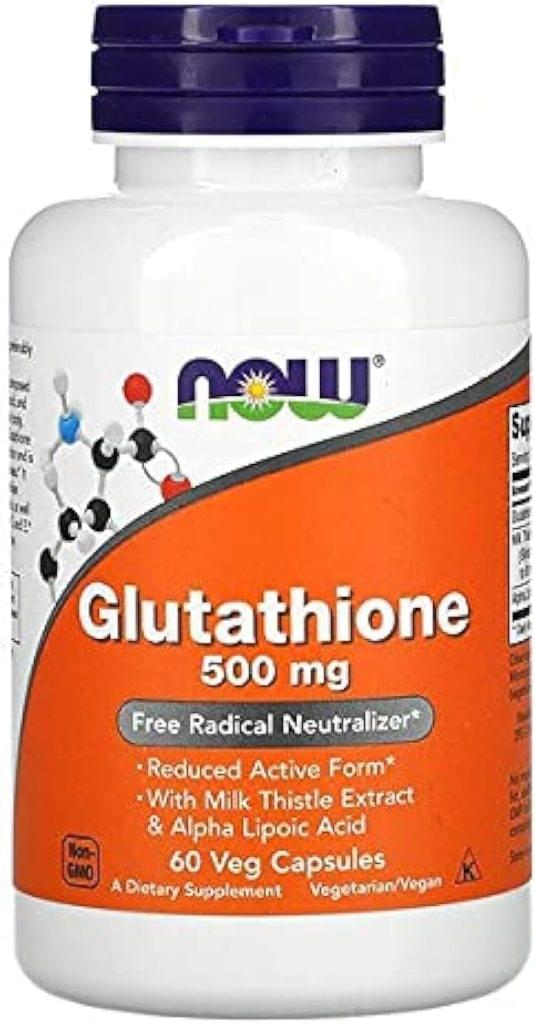
Now Foods - Glutathione Cellular Antioxidant 500 mg. - 60 Vegetarian Capsules
Brand NOW Foods Unit Count 60 Count Item Form Softgel Item Weight 0.08 Kilograms

Why Do Some People Experience Hair Loss While Taking Glutathione?
Glutathione itself doesn’t cause hair loss, but there are a few reasons why some people notice shedding when they start using it.
1. Nutrient Imbalance
Taking a lot of glutathione can throw off your body’s balance of other nutrients. Healthy hair really needs enough iron, zinc, vitamin B12, and biotin. If you’re missing any of these, or if something goes out of balance when you start supplementing, your hair might start falling out more than usual.
2. Detox Reaction
Glutathione helps your liver detox. When detox ramps up, your body can get a little stressed out, and sometimes that triggers telogen effluvium. Basically, your hair moves into the shedding phase sooner than it should. The good news? This usually doesn’t last long.
3. Hormonal Sensitivity
Hair follicles react to any changes in hormones. Glutathione doesn’t mess directly with hormones, but if your metabolism or stress levels shift while you’re taking it, that can affect your hair growth cycle too.
4. Underlying Medical Issues
A lot of people take glutathione because they already have health problems—like thyroid disorders, autoimmune diseases, or chronic inflammation—that also cause hair loss. In these cases, it’s not the glutathione to blame.
Can Glutathione Help Your Hair?
Actually, yes. For many people, glutathione does more good than harm when it comes to hair.
Here’s how it helps:
- It shields hair follicles from oxidative damage
- It keeps blood flowing well to your scalp
- It supports keratin, the main protein in hair, by easing stress at the cellular level
- It might even slow down things like premature graying
- There’s research showing antioxidants are important for strong,
- healthy hair. Glutathione is one of the big players there.
Glutathione and Telogen Effluvium
Telogen effluvium means your hair starts shedding more than usual, usually after your body goes through something stressful—like illness or a big life change. It doesn’t last forever, but it can definitely be alarming.
Can Glutathione Set Off Telogen Effluvium?
Honestly, it’s rare, but starting any new supplement—including glutathione—can sometimes stress the body, especially if you jump in with high doses. That doesn’t mean glutathione is bad for you. It just means your body might take a little while to adjust.
Getting the Dose Right
If you want to avoid side effects, pay attention to how much glutathione you’re taking. For general wellness, most people stick to 250 to 500 mg a day. Some go up to 1000 mg, but that’s usually with a doctor keeping an eye on things. Taking too much without guidance can bump up your risk for side effects, and yes, sometimes that includes temporary hair shedding.
Different Types of Glutathione
How your body handles glutathione can depend on the type you use. There’s reduced glutathione (GSH), liposomal glutathione, and precursors like NAC. Liposomal forms tend to absorb better and cause fewer stomach problems or stress reactions.
Who Needs to Be Extra Careful?
If you have a history of hair loss, thyroid issues, autoimmune problems, are pregnant or breastfeeding, or you’re on several supplements or medications, talk to your doctor before trying glutathione.
Keeping Your Hair Healthy on Glutathione
Here’s what helps: stick with the recommended dose, get enough protein, make sure you’re getting nutrients like biotin, zinc, and iron, manage your stress, don’t go overboard with extra supplements, and stay hydrated.
Clearing Up Myths
Some people think glutathione always causes hair loss—not true. There’s no scientific proof that it directly triggers hair loss. And if you do notice shedding, it’s almost always temporary, not permanent damage.
What the Science Says
So far, research doesn’t list hair loss as a known side effect of glutathione supplements. More studies would be helpful, but right now, glutathione is seen as a protective antioxidant.
Bottom Line
Glutathione doesn’t directly cause hair loss. Very rarely, some people might notice temporary shedding if their body’s adjusting, if they’re detoxing, or if something else is going on with their health. Used sensibly, glutathione is safe for most people and might even help support healthier hair. If your hair keeps falling out or you’re worried, check in with a healthcare pro—don’t just stop taking your supplements without a plan.
Frequently Asked Questions (FAQs)
Can glutathione stop hair growth?
No, glutathione does not stop hair growth.
Is hair loss from glutathione permanent?
In reported cases, it is usually temporary.
Can glutathione help with gray hair?
Its antioxidant properties may help slow premature graying.
How long should I take glutathione?
Duration depends on individual goals and medical advice.
Conclusion
Glutathione remains one of the most powerful antioxidants for overall health. When taken correctly, it is unlikely to cause hair loss and may actually contribute to healthier hair and scalp conditions.
As with any supplement, moderation, proper nutrition, and medical guidance are key. Understanding your body’s needs will help you enjoy the benefits of glutathione without unnecessary worry.