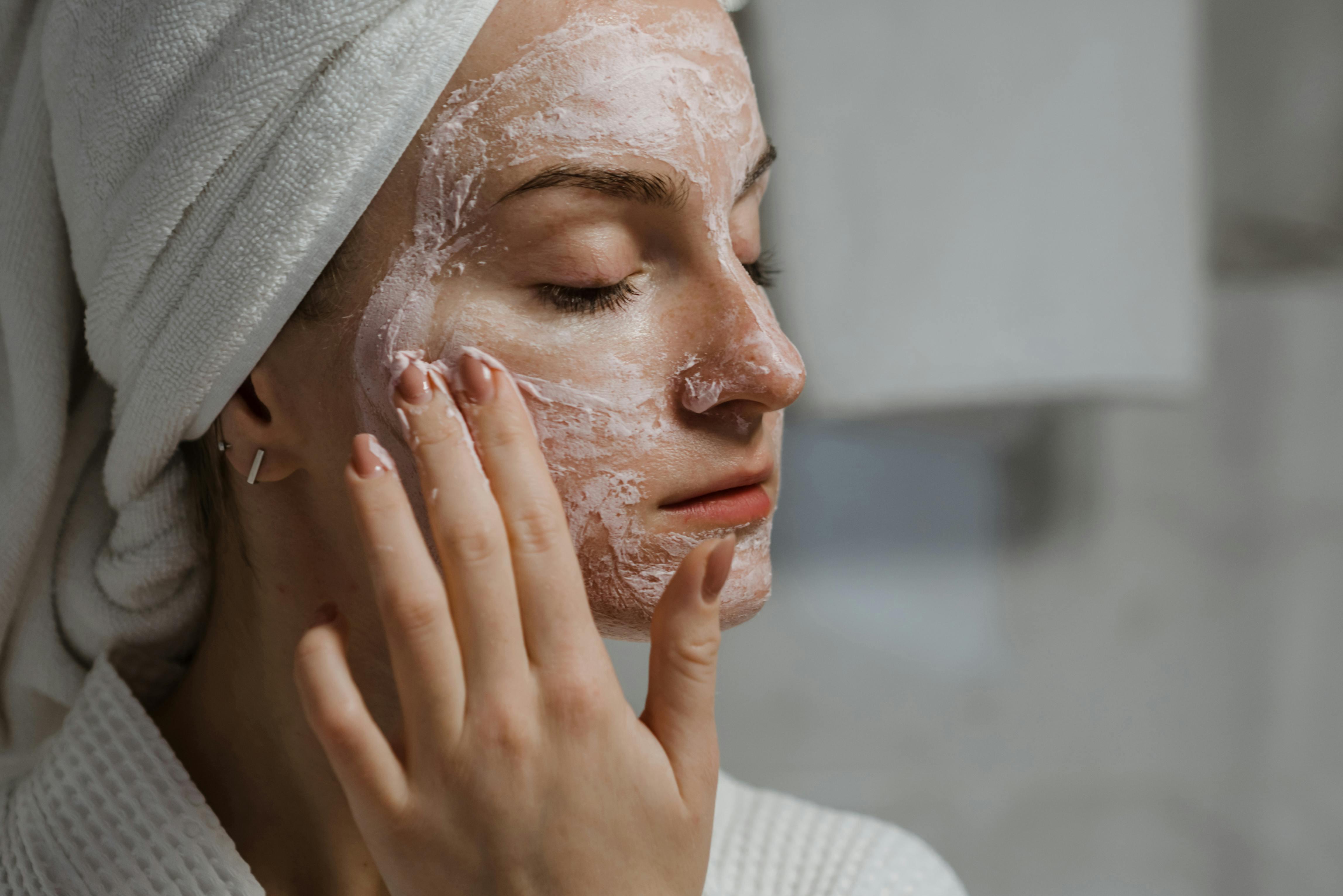
Glutathione is a popular supplement that has gained fame for its detoxifying properties, immune-boosting effects, and skin whitening benefits. Touted as the “master antioxidant,” glutathione plays a crucial role in cellular health and liver detoxification.
But as with any supplement, it’s essential to ask: what are the glutathione side effects? Is it truly safe to use? Are there risks with long-term use or high doses?
In this comprehensive guide, we’ll explore the science behind glutathione, detail its potential side effects, and give you the knowledge you need to use it safely and effectively.
Table of Contents

Glutathione Side Effects: An Overview
For most people, glutathione is safe when used at recommended doses. However, side effects can occur—particularly with intravenous or high-dose oral supplementation.
Side effects vary depending on:
Dosage
Frequency
Form (oral vs. IV)
Overall health
Presence of underlying conditions
Let’s break it down into short-term and long-term categories.
Short-Term Side Effects of Glutathione
These are the most commonly reported mild side effects:
1. Gastrointestinal Distress
Symptoms: Bloating, gas, nausea, stomach cramps, or diarrhea
Cause: High doses of oral glutathione or poor absorption
2. Headache or Dizziness
Symptoms: Lightheadedness or headaches shortly after taking
Cause: Rapid detoxification or blood sugar fluctuations
3. Allergic Reactions
Symptoms: Itching, rash, or mild swelling
Cause: Sensitivity to the supplement or other ingredients
4. Skin Breakouts
Symptoms: Acne or irritation, especially in early detox stages
Cause: Toxin release or hormonal changes triggered by improved liver function
5. Metallic or Unpleasant Taste
Often experienced with sublingual or liposomal forms
Long-Term Side Effects and Risks
Long-term use of glutathione is generally safe, but overuse or misuse can result in more serious issues:
1. Zinc Deficiency
Glutathione may lower zinc levels in the body over time
Zinc is critical for immune function, wound healing, and hormone balance
2. Reduced Natural Glutathione Production
Excessive supplementation could make the body less reliant on its own production
3. Lung Complications (with IV Use)
Some reports suggest IV glutathione may cause pulmonary complications like asthma-like symptoms in sensitive individuals
4. Pigment Changes in Skin
While used for skin whitening, uneven or patchy skin lightening can occur, especially with IV therapy
5. Disruption of Thyroid Function
Some users report changes in thyroid hormone levels, though more research is needed
Glutathione Skin Whitening: Safety Concerns
The use of glutathione for skin whitening has become especially popular in Asia and the Middle East. It’s believed to work by inhibiting melanin production.
⚠️ Concerns Include:
Unregulated IV injections with unknown ingredients
Illegal products sold online
Unknown long-term effects on melanin production
Rebound pigmentation if treatment is stopped
The FDA has not approved glutathione IV for skin whitening, and several health authorities have issued warnings.
Who Should Avoid Glutathione?
Certain individuals should consult a doctor before taking glutathione:
Pregnant or breastfeeding women
People with asthma or chronic lung conditions
Individuals with liver or kidney disease
Those taking chemotherapy or immunosuppressive drugs
Anyone with a history of allergic reactions to supplements
Drug Interactions to Be Aware Of
Glutathione may interact with:
Chemotherapy drugs: It may interfere with how cancer treatments work
Immunosuppressants: Glutathione boosts immune activity, which may reduce the effectiveness of these drugs
Antibiotics and antifungals: Possible interference with drug absorption
Always consult your healthcare provider if you’re on prescription medications.
Safe Dosage Guidelines
There is no universal dosage, but general recommendations include:
Oral: 250–1000 mg per day
Liposomal: 200–400 mg per day
IV: Only under medical supervision, typically 600–1200 mg per session
Start with a lower dose and gradually increase under guidance. Taking vitamin C alongside glutathione may improve stability and absorption.
Natural vs. Synthetic Glutathione Sources
Natural sources support your body’s own production:
Sulfur-rich foods: garlic, onions, broccoli, kale
NAC (N-acetylcysteine): a precursor to glutathione
Alpha-lipoic acid, selenium, and B vitamins
Synthetic sources (capsules, IV, etc.) can be effective but may carry more risks if misused.
How to Minimize Side Effects
Take with food to avoid stomach upset
Stay hydrated to help flush out toxins
Use liposomal forms for better absorption and fewer GI issues
Avoid high doses unless advised by a healthcare professional
Cycle your supplements (e.g., 4 weeks on, 2 weeks off)
When to See a Doctor
Seek medical advice if you experience:
Severe allergic reactions (e.g., difficulty breathing, swelling)
Persistent fatigue or mood changes
Irregular heartbeat or blood pressure changes
Respiratory issues after IV use
Sudden changes in skin pigmentation
Top Picked glutathione products for you
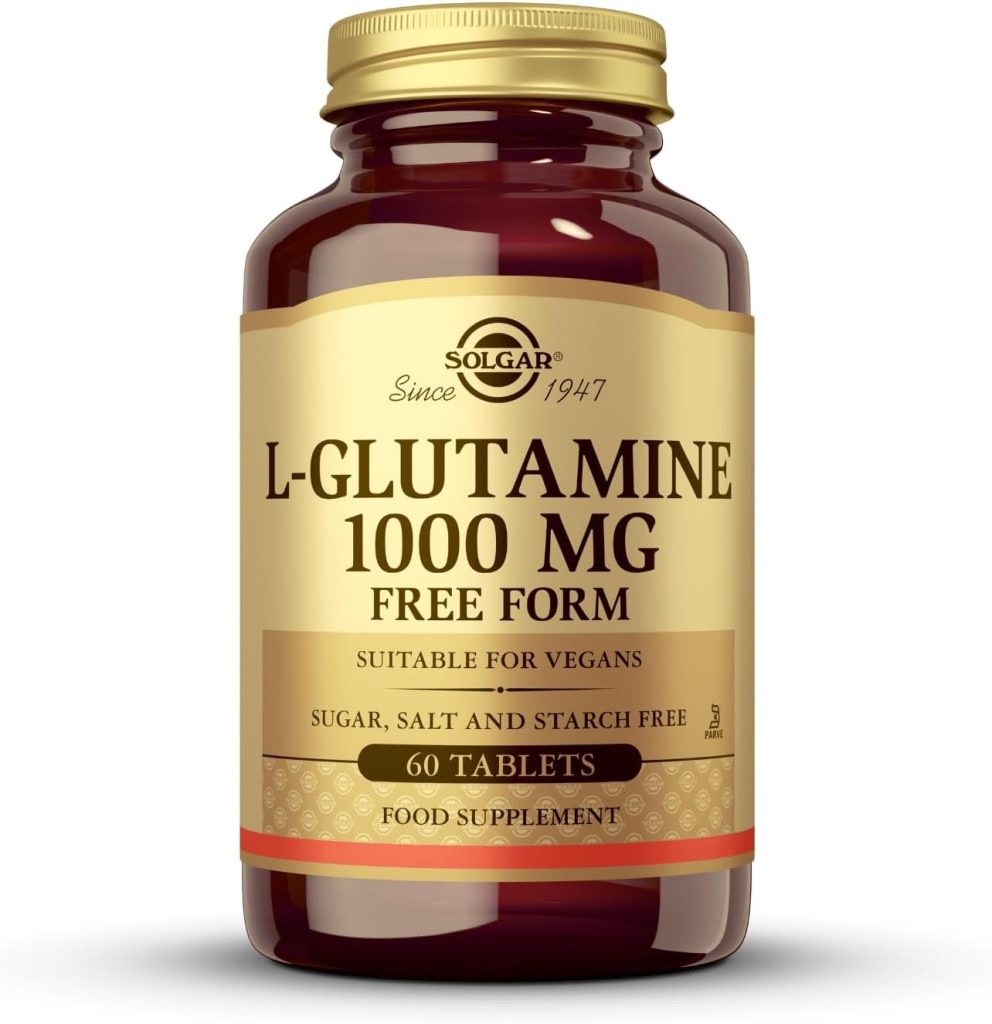
Solgar L-Glutamine 1000 mg, 60 Tablets - Natural Muscle Food - Promotes Gastrointestinal (GI) Health - Supports Brain Health - Non-GMO, Vegan, Gluten Free, Dairy Free, Kosher - 30 Servings

FAQs About Glutathione Side Effects
Is glutathione safe for daily use?
Yes, for most healthy individuals using standard doses. Consult a doctor if using long-term.
Does glutathione lighten your skin permanently?
Not necessarily. Effects may fade after stopping the supplement.
Can glutathione cause hormonal imbalance?
In rare cases, it may affect thyroid or sex hormone levels indirectly, especially with prolonged use.
Is IV glutathione safe?
Only when administered by trained professionals. Risks are higher with unregulated or DIY treatments.
Final Thoughts: Is Glutathione Safe?
For most people, glutathione is a safe and powerful antioxidant that supports detoxification, boosts immunity, and promotes healthy aging. However, side effects can occur, especially when glutathione is misused or taken without proper guidance.
If you’re considering supplementation:
Start with low doses
Choose high-quality products
Work with a healthcare professional
Monitor your body’s response
Understanding glutathione side effects ensures you get the maximum benefits with minimal risks. With the right approach, this master antioxidant can be a game-changer for your health, skin, and vitality.