
Hyperpigmentation laser treatment frustrates people everywhere—regardless of age or skin type. Those dark spots and uneven patches don’t just mess with your complexion; they can chip away at your confidence, too, making skin look older or lifeless. Sure, creams and chemical peels sometimes help if the problem’s mild. But when you want real results, laser treatment stands out. It’s one of the most powerful ways to tackle stubborn discoloration.
- What Is Hyperpigmentation Laser Treatment?
- How Does Laser Treatment Work?
- Q-Switched Nd:YAG Laser
- Pico Laser (Picosecond Laser)
- Are Laser Treatments Safe?
- Who’s a Good Candidate?
- During Your Session
- After Your Session
- Recovery and Downtime
- How Many Sessions Will You Need?
- What Results Can You Expect?
- Laser Treatment vs Other Hyperpigmentation Treatments
- Possible Side Effects and Risks
- Aftercare Tips for Best Results
- How to Choose the Right Clinic
- Frequently Asked Questions (FAQs)
- Does laser treatment permanently remove hyperpigmentation?
- Is laser treatment painful?
- Can dark skin tones get laser treatment?
- Final Thoughts
This guide breaks down everything about Hyperpigmentation laser treatment. You’ll find out how these lasers work, the different types out there, what benefits and risks to expect, what it actually costs, how results look, and what aftercare involves.
Table of Contents

What Is Hyperpigmentation Laser Treatment?
Hyperpigmentation happens when your skin produces too much melanin—the pigment that gives skin its color—in certain spots. That’s what creates those darker patches or spots. They show up in all kinds of shapes, colors, and sizes.
There are a few common types. Melasma pops up a lot during pregnancy or when hormones shift, and the sun can make it worse. Post-inflammatory hyperpigmentation, or PIH, is what’s left behind after acne, burns, or injuries—basically, your skin’s way of remembering trauma. Sunspots, also called age spots, come from years of UV exposure, while freckles are mostly genetic, but they really darken if you spend lots of time in the sun.
You’ll see hyperpigmentation most often on the face, neck, hands, arms—anywhere the sun hits regularly.
How Does Laser Treatment Work?
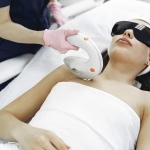
Laser devices emit specific wavelengths of light that are absorbed by melanin. When the pigment absorbs the light energy, it breaks into smaller particles. These particles are then removed by the body’s lymphatic system.
At the same time, lasers stimulate collagen production, improving overall skin texture, tone, and clarity.
Laser Treatments for Hyperpigmentation: What to Know
Dermatologists have a range of lasers to choose from when targeting hyperpigmentation, and the right one depends on your skin type, how deep the pigment sits, and how stubborn those spots are. Here’s a breakdown of the main options and what each one does best.
Q-Switched Nd:YAG Laser
This is often the go-to for hyperpigmentation. Dermatologists use it for melasma, sunspots, and post-inflammatory dark marks. It’s precise, works well on darker skin, and you won’t need much downtime after a session.
Pico Laser (Picosecond Laser)
The Pico laser fires unbelievably quick bursts of energy, shattering pigment into tiny fragments. It works well for deeper spots, stubborn melasma, and acne marks that just won’t budge. You’ll usually see results faster, need fewer sessions, and there’s less risk of pigment coming back.
Fractional Laser (Fraxel)
Fractional lasers take a different approach—they treat tiny sections of skin at a time. This speeds up healing and helps when you’re dealing with both texture issues and pigmentation, like acne scars with dark spots. Besides lightening spots, these lasers also boost collagen and improve overall skin tone.
IPL (Intense Pulsed Light)
Technically, IPL isn’t a laser, but it’s often used for mild to moderate sun damage and uneven skin tone. It’s gentle, non-invasive, and leaves your complexion looking brighter.
Why Choose Laser Treatments for Hyperpigmentation?
Laser treatments stand out because they deliver real, visible results. You get brighter, more even skin, and the effects last. Treatments are non-surgical, usually require little to no downtime, and work for many skin types. Plus, lasers can improve skin quality overall—not just fade dark spots.
Are Laser Treatments Safe?
Laser therapy is generally safe as long as you’re in expert hands. Safety relies on a proper skin assessment, using the right laser, and setting the right energy level. Aftercare matters too. If you have a darker skin tone, make sure you go to a clinic that regularly treats melanin-rich skin—experience here helps prevent complications.
Who’s a Good Candidate?
Laser treatment makes sense if you’ve tried creams and nothing’s worked, your skin is healthy, you’re realistic about results, and you’ll stick to sun protection after treatment. It’s not for you if you have an active skin infection, open wounds, or certain medical skin conditions.
What’s the Procedure Like?
Before Your Session
You’ll start with a consult and skin analysis, maybe a patch test. Skip sunbathing and pause on active skincare ingredients beforehand.
During Your Session
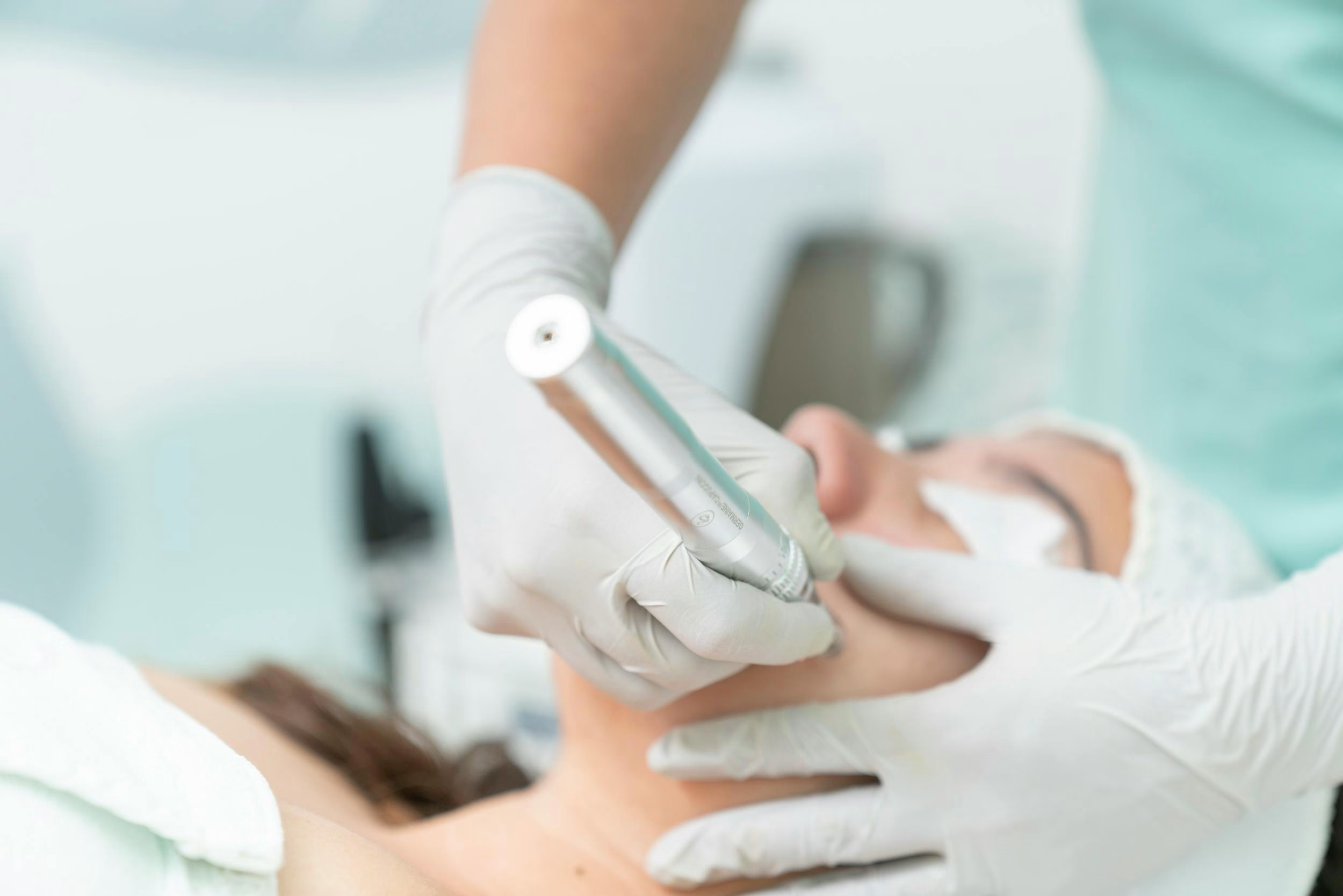
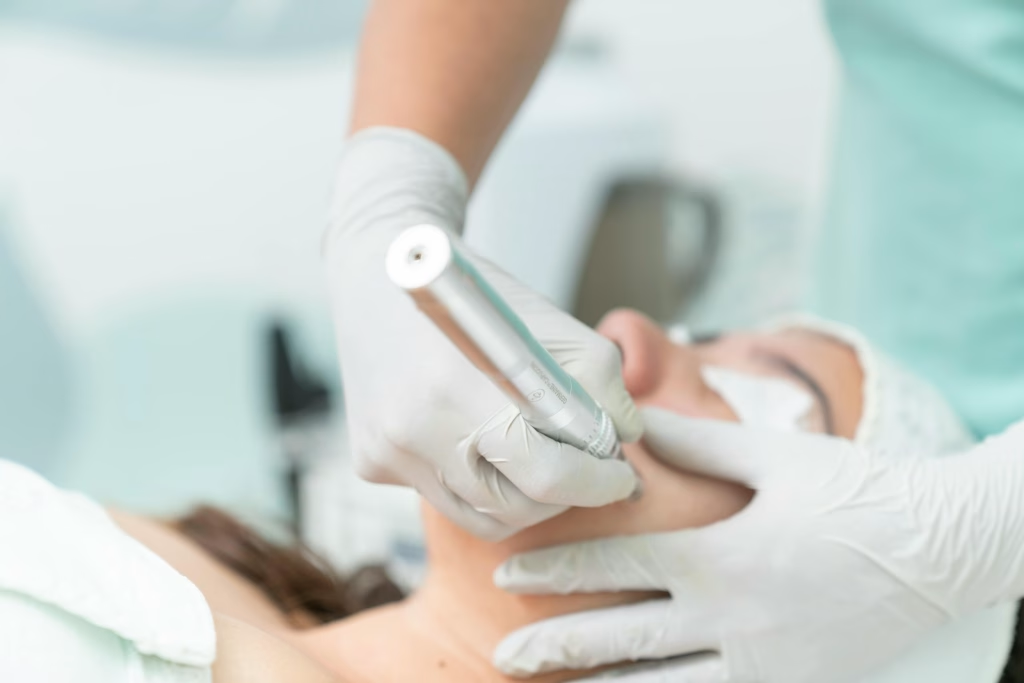
Many people say the laser feels like a quick snap or sting. Your doctor might use a cooling gel or numbing cream. Most sessions take 20 to 45 minutes.
After Your Session
Expect some redness or mild swelling for a few hours, sometimes a couple of days. Dark spots can look darker before they lighten up.
Recovery and Downtime
How much downtime you need depends on the laser. Q-switched and Pico lasers usually mean you can get back to life quickly. Fractional lasers might require a break of three to seven days. Most people are back to their routines within a day.
How Many Sessions Will You Need?
It depends on how much pigment you have and how deep it is. If it’s mild, you might only need one or two sessions. Moderate pigmentation usually needs three to five. Deep or severe spots can take six sessions or more. Doctors typically space sessions three to six weeks apart.
How Much Does Laser Treatment Cost?
Prices vary a lot based on where you live, the clinic’s reputation, and the type of laser. Here’s a rough idea per session:
Q-switched laser: $150–$400
Pico laser: $300–$800
Fractional laser: $500–$1,500
You’ll probably need multiple sessions for your best results.
What Results Can You Expect?
Most people see improvement after the first session, but the best results come as your skin heals and renews itself. Dark spots fade, skin gets brighter and smoother, and texture improves. Good aftercare helps lock in those results for the long run.
Possible Side Effects and Risks
Although uncommon, potential side effects include:
Temporary redness and swelling
Mild peeling or crusting
Post-inflammatory hyperpigmentation
Rare risk of scarring
Choosing an experienced provider minimizes these risks.
Aftercare Tips for Best Results
Use broad-spectrum sunscreen daily (SPF 30+)
Avoid direct sun exposure
Follow dermatologist-recommended skincare
Avoid harsh exfoliants
Stay hydrated
Sun protection is critical to prevent recurrence.
How to Choose the Right Clinic
When selecting a clinic for laser hyperpigmentation treatment, consider:
Board-certified dermatologist
Experience with your skin type
Advanced laser technology
Genuine before-and-after photos
Transparent pricing
A proper consultation is key to safe and effective treatment.
Frequently Asked Questions (FAQs)
Does laser treatment permanently remove hyperpigmentation?
Laser treatment significantly reduces pigmentation, but maintenance and sun protection are essential to prevent recurrence.
Is laser treatment painful?
Most patients describe mild discomfort, which is manageable with numbing cream.
Can dark skin tones get laser treatment?
Yes, with the right laser and expert care, laser treatment is safe for darker skin tones.
Final Thoughts
Hyperpigmentation laser treatment is a powerful, science-backed solution for achieving clearer, more even-toned skin. With advanced technology, minimal downtime, and long-lasting results, laser therapy has become the gold standard for treating stubborn pigmentation issues.
If you are struggling with dark spots, melasma, or uneven skin tone, consulting a qualified dermatologist for laser treatment could be the transformative step your skin needs. With proper care and professional guidance, radiant and confident skin is within reach.