

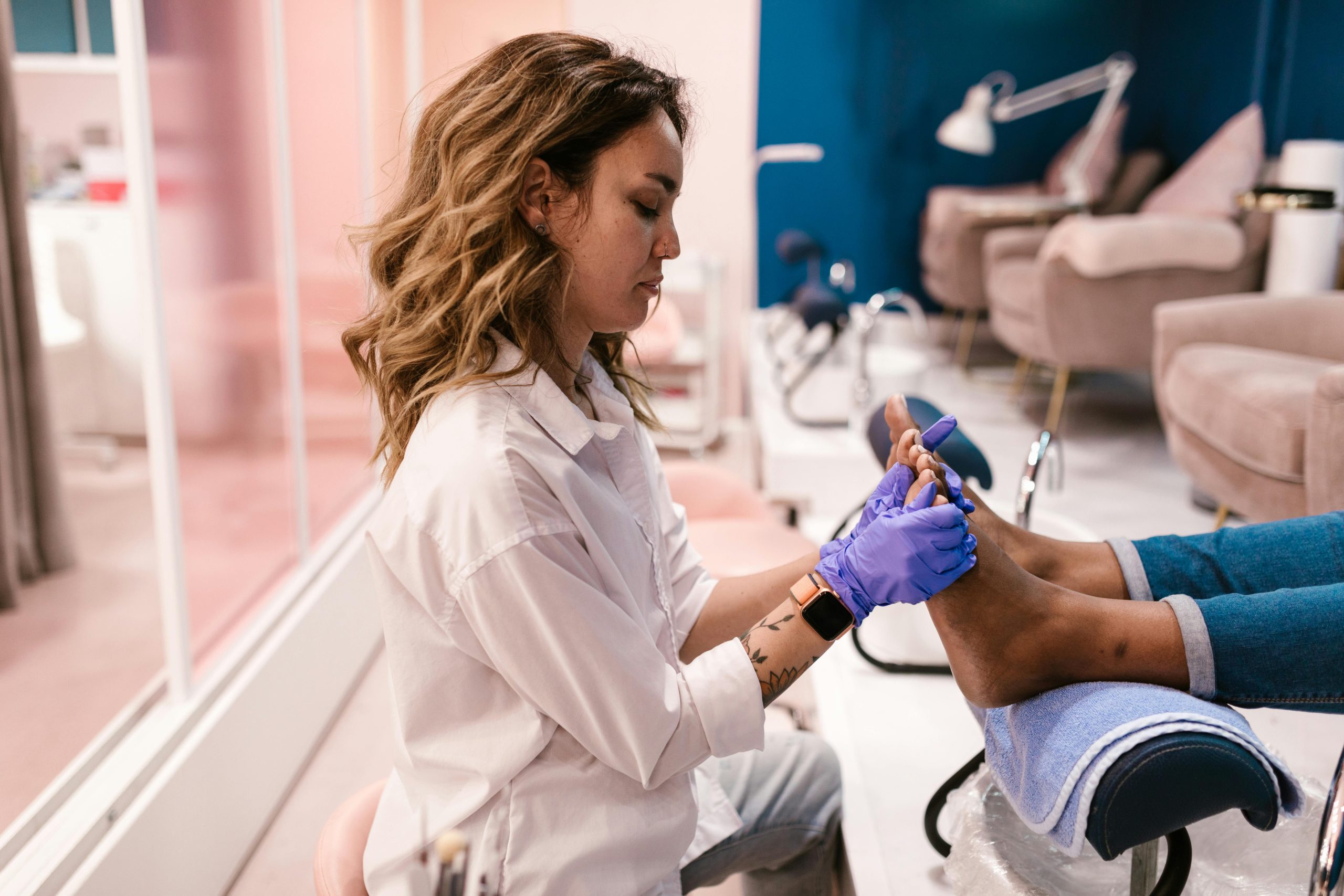
When you hear the word “pedicure,” you might picture a relaxing session at a nail salon, complete with foot massages and a splash of color on your toenails. But for those dealing with foot conditions, chronic pain, or medical issues, a regular pedicure might not be enough. Enter the medical pedicure—a health-focused foot care treatment performed by trained specialists to address both cosmetic and medical concerns.
- What is a Medical Pedicure?
- Collapsible Foot Spa Bath with Heat
- Medical Pedicure vs. Regular Pedicure
- Who Should Get a Medical Pedicure?
- Benefits of Medical Pedicures
- 1. Medical-Grade Hygiene and Safety
- 2. Professional Diagnosis
- 3. Pain Relief
- 4. Long-Term Preventive Care
- 5. Improved Aesthetics Without Risk
- What Happens During a Medical Pedicure?
- 1. Initial Consultation
- 2. Cleansing and Disinfection
- 3. Nail and Cuticle Care
- 4. Callus and Corn Removal
- 5. Fungal or Bacterial Treatment
- 6. Ingrown Toenail Management
- 7. Moisturizing Treatment
- 8. Final Assessment and Recommendations
- Are Medical Pedicures Covered by Insurance?
- How Often Should You Get a Medical Pedicure?
- Risks of Skipping Medical Foot Care
- Choosing the Right Medical Pedicure Provider
- 1. Verify Credentials
- 2. Check Facility Standards
- 3. Read Reviews and Testimonials
- 4. Ask About Follow-Up Care
- Medical Pedicure for Diabetics: A Must-Have Treatment
- Medical Pedicures for Men
- Cost of a Medical Pedicure
- Frequently Asked Questions
In this comprehensive guide, we’ll break down everything you need to know about medical pedicures, including the benefits, who they’re for, what the procedure involves, and how they contribute to overall foot health.
Read article aboutskin care
Table of Contents
What is a Medical Pedicure?
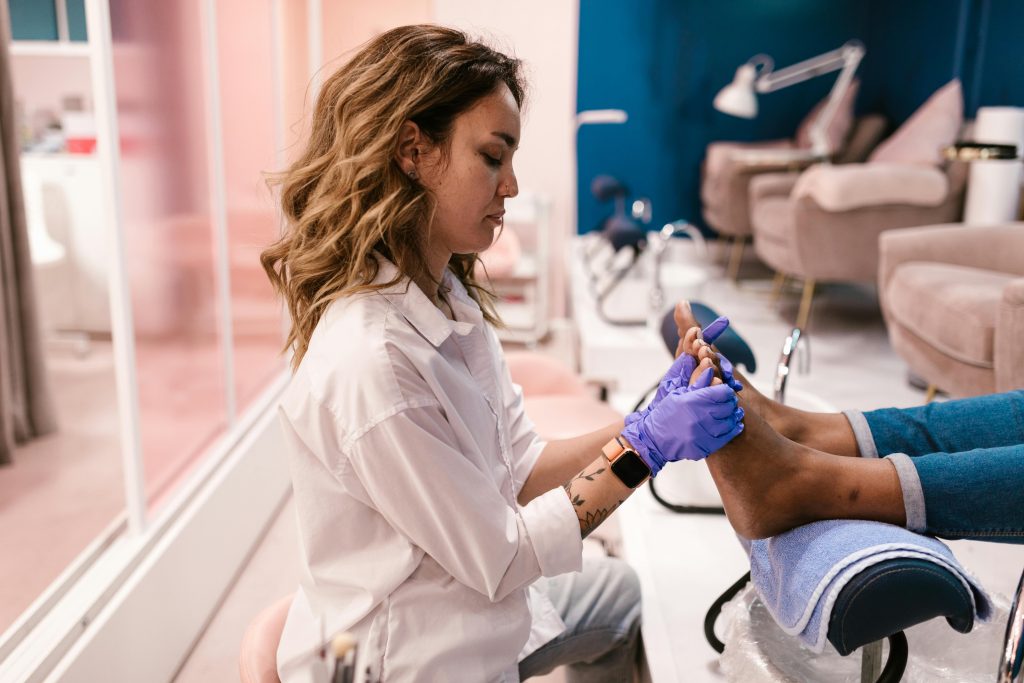
A medical pedicure, sometimes called a “medi-pedi,” is a therapeutic, non-invasive foot care treatment performed by a licensed podiatrist or certified medical nail technician. Unlike cosmetic pedicures done at salons, medical pedicures focus on the health and hygiene of the feet, treating underlying conditions like fungal infections, calluses, cracked heels, ingrown toenails, and more.
These procedures are carried out in a sterile clinical environment, ensuring safety for people with diabetes, poor circulation, or immune system conditions.
Collapsible Foot Spa Bath with Heat
Remote Control, Temperature Control, Bubbles, Pumice Stone, Red Light, Timer, 16 Massage Roller Pedicure Foot Spa Tub Foot Soaker for Soothe & Relax Tired Feet

Medical Pedicure vs. Regular Pedicure
| Feature | Medical Pedicure | Regular Pedicure |
|---|---|---|
| Performed by | Podiatrist or medical nail technician | Nail technician |
| Focus | Health and hygiene of feet | Aesthetics and relaxation |
| Environment | Sterile medical clinic | Beauty salon or spa |
| Tools | Medical-grade, sterilized tools | Standard nail salon tools |
| Treats medical issues | Yes (fungal nails, calluses, corns, etc.) | No |
| Safe for diabetics and immunocompromised | Yes | Risky |
Who Should Get a Medical Pedicure?
Medical pedicures are ideal for:
People with diabetes: To prevent infections, ulcers, and manage neuropathy.
Athletes: For treating foot fungus, blisters, and overuse injuries.
Elderly individuals: For proper nail trimming and treatment of dry skin or calluses.
Anyone with foot problems: Such as bunions, ingrown nails, or corns.
Individuals with poor circulation or immune disorders.
Those with recurring fungal or bacterial infections.
Even if you’re generally healthy, a medical pedicure is a great preventive measure that promotes good foot hygiene.
Benefits of Medical Pedicures
1. Medical-Grade Hygiene and Safety
All tools are autoclave-sterilized, and the environment is disinfected, reducing any risk of infection—especially critical for people with chronic health issues.
2. Professional Diagnosis
Trained professionals can identify early signs of infections, fungal conditions, or foot deformities and provide medical advice or treatment referrals.
3. Pain Relief
Conditions like corns, ingrown toenails, or cracked heels can cause significant discomfort. Medical pedicures alleviate pain and discomfort effectively.
4. Long-Term Preventive Care
Routine medical pedicures can prevent minor issues from becoming serious, particularly in individuals with compromised foot health.
5. Improved Aesthetics Without Risk
While beauty salons may compromise foot health in favor of looks, medical pedicures deliver aesthetic results with health and safety as the top priorities.
What Happens During a Medical Pedicure?
Here’s what to expect during your appointment:
1. Initial Consultation
Medical history review
Foot health assessment
Identification of problem areas
2. Cleansing and Disinfection
Feet are soaked in an antibacterial, non-toxic solution to cleanse and soften the skin.
3. Nail and Cuticle Care
Toenails are trimmed and shaped
Thickened nails are filed down
Cuticles are gently pushed back and cleaned
4. Callus and Corn Removal
Using sterile tools, hardened skin and corns are removed carefully without damaging surrounding tissue.
5. Fungal or Bacterial Treatment
If any fungal infections are present, the podiatrist may:
Apply topical antifungals
Recommend oral medications or laser therapy
6. Ingrown Toenail Management
If detected, the ingrown nail is gently lifted or trimmed to prevent infection and pain.
7. Moisturizing Treatment
Feet are moisturized with medicated creams to treat cracked heels, dry skin, or eczema.
8. Final Assessment and Recommendations
You may receive advice on:
Proper footwear
Daily foot care routines
Follow-up treatments if needed

Are Medical Pedicures Covered by Insurance?
In many cases, medical pedicures are not covered by insurance unless they are part of a broader podiatric treatment for a diagnosed condition like diabetes, neuropathy, or a foot infection.
Check with your insurance provider to determine coverage based on your health needs and plan type.
How Often Should You Get a Medical Pedicure?
The frequency depends on your condition:
Every 4–6 weeks: For chronic foot problems or diabetes.
Every 2–3 months: For general maintenance and hygiene.
As needed: If you notice pain, discoloration, or other issues between visits.
Risks of Skipping Medical Foot Care
Avoiding professional foot care when needed can lead to:
Severe infections
Ulcerations (especially in diabetics)
Nail deformities
Mobility issues due to untreated foot pain
Permanent foot damage from ignored conditions
Don’t wait for symptoms to worsen—prevention is always better than cure.
| Aspect | DIY Foot Care | Medical Pedicure |
|---|---|---|
| Cost | Low | Higher |
| Convenience | At home | Requires appointment |
| Risk of infection | Higher | Very low |
| Effectiveness | Limited | Highly effective |
| Diagnosis and treatment | Not possible | Available |
Choosing the Right Medical Pedicure Provider
1. Verify Credentials
Ensure the provider is a licensed podiatrist or certified medical nail technician with experience.
2. Check Facility Standards
Cleanliness
Proper sterilization procedures
Use of medical-grade tools
3. Read Reviews and Testimonials
Patient experiences can provide insight into the provider’s professionalism and treatment effectiveness.
4. Ask About Follow-Up Care
A good provider offers advice and options for long-term foot care and treatment.
Medical Pedicure for Diabetics: A Must-Have Treatment
People with diabetes are at higher risk for:
Foot ulcers
Infections
Neuropathy (nerve damage)
A single untreated wound or infection could lead to serious complications, including amputation. Medical pedicures help prevent such outcomes by maintaining optimal foot health and catching early warning signs.
Medical Pedicures for Men
Foot care isn’t just for women! In fact, men often neglect foot health, leading to painful issues like:
Thick toenails
Odor and sweat buildup
Calluses and fungal infections
Medical pedicures offer men a clean, sterile, no-frills approach to keeping their feet healthy and strong.
Cost of a Medical Pedicure
The average cost ranges from $75 to $200, depending on:
Location
Provider qualifications
Severity of foot conditions
Duration of the session
While more expensive than salon pedicures, medical pedicures offer significant long-term health value.
Frequently Asked Questions
Is a medical pedicure painful?
Not at all! The process is designed to be gentle and soothing. Any discomfort from conditions like calluses or ingrown nails is addressed with care.
Can I still get nail polish?
Some clinics offer medicated or non-toxic nail polish, but traditional polish may be avoided to let the nails breathe and heal.
Do I need a referral for a medical pedicure?
No referral is needed, though some podiatrists may request a brief medical history.
How long does the treatment take?
Expect 45 minutes to 1.5 hours, depending on the condition of your feet.







I like what you guys are up also. Such intelligent work and reporting! Keep up the excellent works guys I?¦ve incorporated you guys to my blogroll. I think it’ll improve the value of my web site 🙂