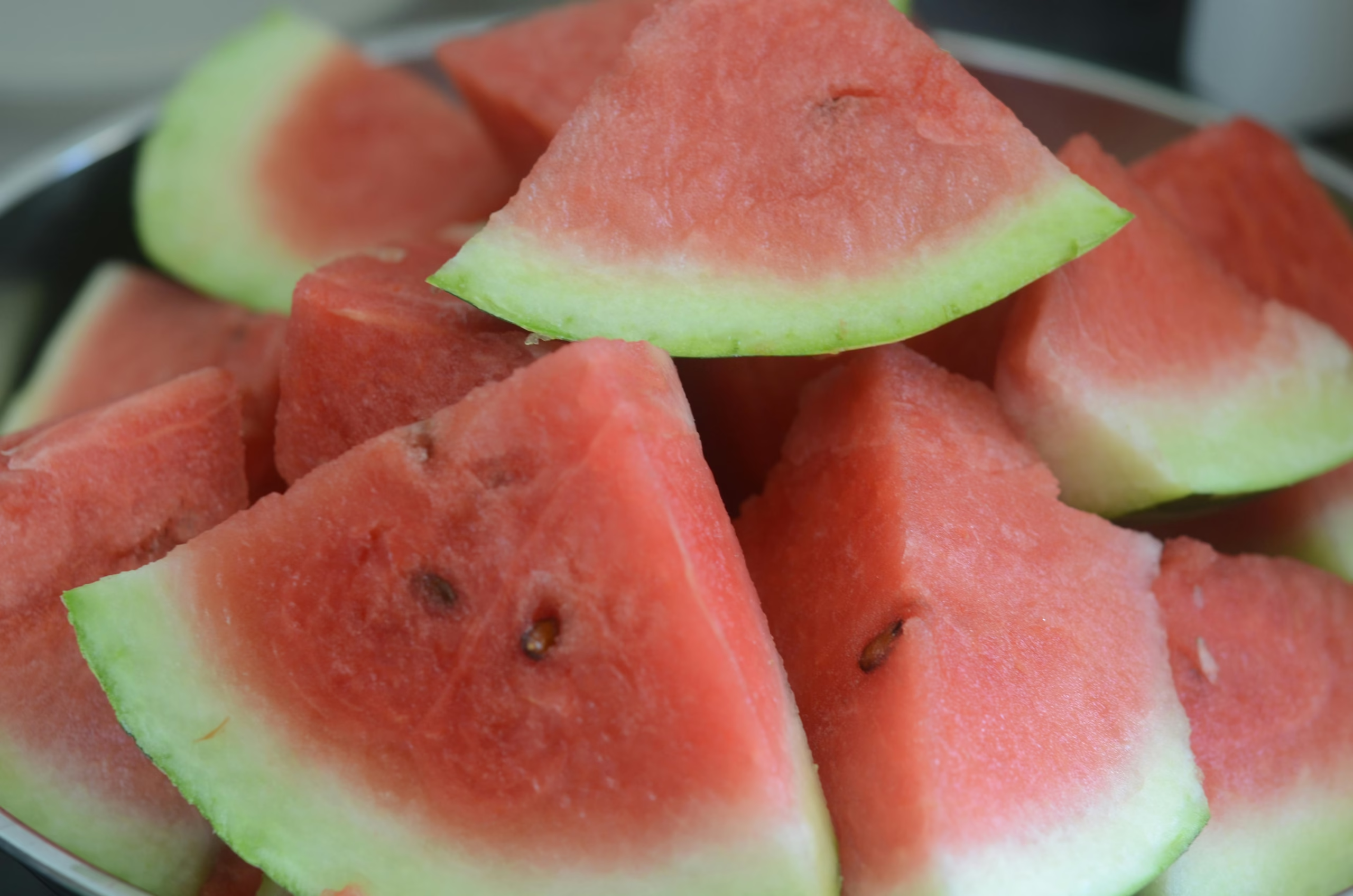
Watermelon is that fruit everyone loves when the weather turns hot. It’s cool, juicy, and loaded with water—just what you need to beat the summer heat. But it’s more than a sweet treat. Watermelon packs real nutritional punch and benefits of watermelon is huge.
Citrullus lanatus, as researchers call it, brings vitamins, antioxidants, and key nutrients to the table. That means it helps your body stay healthy, your skin look clear, and, yes, it even supports diet.
So lets go into what makes watermelon so good for you of benefits of watermelon. We’ll look at its health benefits, what’s inside, and why you’ll eat watermelon everyday every day.
Table of Contents

Total Nutritional Value and Benefits of Watermelon (per 100g)
Watermelon is low in calories but high in nutrients. A 100-gram serving contains:
- Calories: 30
- Water: 91%
- Vitamin C: 14% of daily value
- Vitamin A: 11% of daily value
- Potassium: 4%
- Magnesium: 3%
It also contains powerful antioxidants like: Benefits of Watermelon
- Lycopene
- Beta-carotene
- Citrulline
Most 15 Benefits of Watermelon for Your Health
1. Stay Hydrated
Watermelon is about 91% water—Benefits of Watermelon making it one of nature’s most thirst-quenching fruits. When you eat watermelon, you’re not just enjoying a refreshing snack; you’re giving your body the hydration it needs for all sorts of functions. Think of water as the engine coolant for your body—it maintains your body temperature, keeps digestion smooth, and helps you sustain energy throughout the day. Especially in summer or after a workout, watermelon is a smart choice to help you keep that fluid balance.
2. Supports Heart Health
Inside those juicy slices, watermelon packs lycopene, an antioxidant known for its benefits to your heart. Lycopene helps lower cholesterol and boosts cardiovascular health overall. Plus, there’s some evidence it lowers blood pressure and cuts down your risk of heart disease. So, watermelon isn’t just fun to eat—it’s helping your heart keep up the hard work every day.
3. Help in Weight Loss
Watermelon’s secret weapon for anyone watching their weight: low calories and high water content. You can eat a generous serving and still stay within your calorie targets. It fills you up fast, so you’re less likely to reach for other snacks. As part of a balanced diet, watermelon helps you manage your appetite without sacrificing flavor.
4. Improves Skin Health
There’s a reason watermelon seems to make your skin glow—in every bite, you get vitamins C and A. These vitamins spur collagen production, which keeps your skin looking smooth and firm. Vitamin C also protects your skin by fending off free radicals, and all that water keeps your complexion hydrated and dewy. Over time, you’ll notice fewer wrinkles and healthier skin.
5. Boosts Immunity
If you want your immune system working at full speed, vitamin C in watermelon is your ally. It strengthens your body’s ability to ward off infections and recover quicker from illnesses. By regularly including watermelon in your diet, you give your immune cells a boost and make staying healthy a little easier.
6. Enhances Digestion
Digestion works best with a steady supply of water and fiber—watermelon delivers both. Fiber keeps things moving, reducing constipation, while water softens everything and helps the process along. For those who sometimes struggle with digestive discomfort, a slice of watermelon can be both soothing and beneficial.
7. Reduces Muscle Soreness
If your muscles are sore after exercise, try watermelon—the citrulline in this fruit helps reduce soreness and speeds up recovery. Citrulline is an amino acid that improves blood flow and lessens inflammation. That means you can bounce back faster after a tough workout, making it easier to stick to your fitness routine.
8. Supports Eye Health
Watermelon’s beta-carotene and vitamin A are vital for protecting your vision. These nutrients keep your eyes sharp and healthy, blocking the development of certain eye disorders as you age. Including watermelon in your diet is one way to ensure you’re doing everything you can for your eyesight.
9. May Help Prevent Cancer
The antioxidants in watermelon—especially lycopene—play a key role in cancer prevention. They block free radicals in your cells and lower the risk of certain cancers. While watermelon alone isn’t a cure-all, it’s one smart piece in the puzzle of long-term health.
10. Improves Kidney Function
Watermelon acts like a gentle diuretic, flushing out toxins and supporting healthy kidney function. Benefits of Watermelon high water content encourages your kidneys to keep filtering and eliminates waste without strain. If you’re looking to support kidney health, watermelon is a simple, tasty way to do just that.
11. Regulates Blood Pressure
Potassium and citrulline in watermelon help relax your blood vessels and support better circulation. This keeps high blood pressure in check and improves overall vascular health. Eating watermelon regularly can give your cardiovascular system a helping hand, Benefits of Watermelon dealing with hypertension.
12. Boosts Energy Levels
Feeling sluggish? The natural sugars in watermelon give you a quick, steady energy boost without the crash you get from processed sweets. You absorb the fruit’s energy gradually, which means you stay alert and focused—perfect for busy days or a pre-workout snack.
13. Helps Detox the Body
Watermelon’s high water content and abundance of antioxidants make it a fantastic detox food. It encourages your body to flush out impurities, while the antioxidants clean up free radicals and reduce oxidative stress. When you eat watermelon, you help your body stay balanced and refreshed.
14. Supports Hair Growth
Your scalp needs good blood flow for healthy hair, and watermelon provides vitamins and nutrients that enhance circulation. This encourages stronger, thicker hair growth over time. If you want hair that’s vibrant and resilient, add watermelon to your routine.
15. Good for Diabetes (in Moderation)
While watermelon does have natural sugars, its water content helps balance blood sugar levels when you eat it in moderate amounts. For people with diabetes, watermelon can be a satisfying, hydrating fruit option—as long as it fits within their daily carbohydrate goals. It’s proof that sweet treats don’t have to be off limits when enjoyed thoughtfully.
Conclusion
Watermelon isn’t just a sweet treat—it’s a powerhouse of health benefits. This fruit packs a punch when it comes to hydration, thanks to its high water content, making it perfect for keeping you refreshed, especially during hot days. It also fits easily into weight loss strategies, since it’s low in calories but fills you up nicely. The antioxidants and vitamins found in watermelon contribute to brighter, healthier skin, giving you that fresh glow. And let’s not forget its positive effects on heart health, thanks to nutrients like lycopene and citrulline.
Incorporating watermelon into your daily meals offers a natural way to support your health. You don’t even have to make any complicated changes—just add a few slices when you want something juicy and satisfying.
Next time your sweet tooth strikes, grab some watermelon. You’ll get more than just a tasty snack; you’ll be boosting your hydration, nourishing your skin, and supporting your heart—all from one simple fruit.