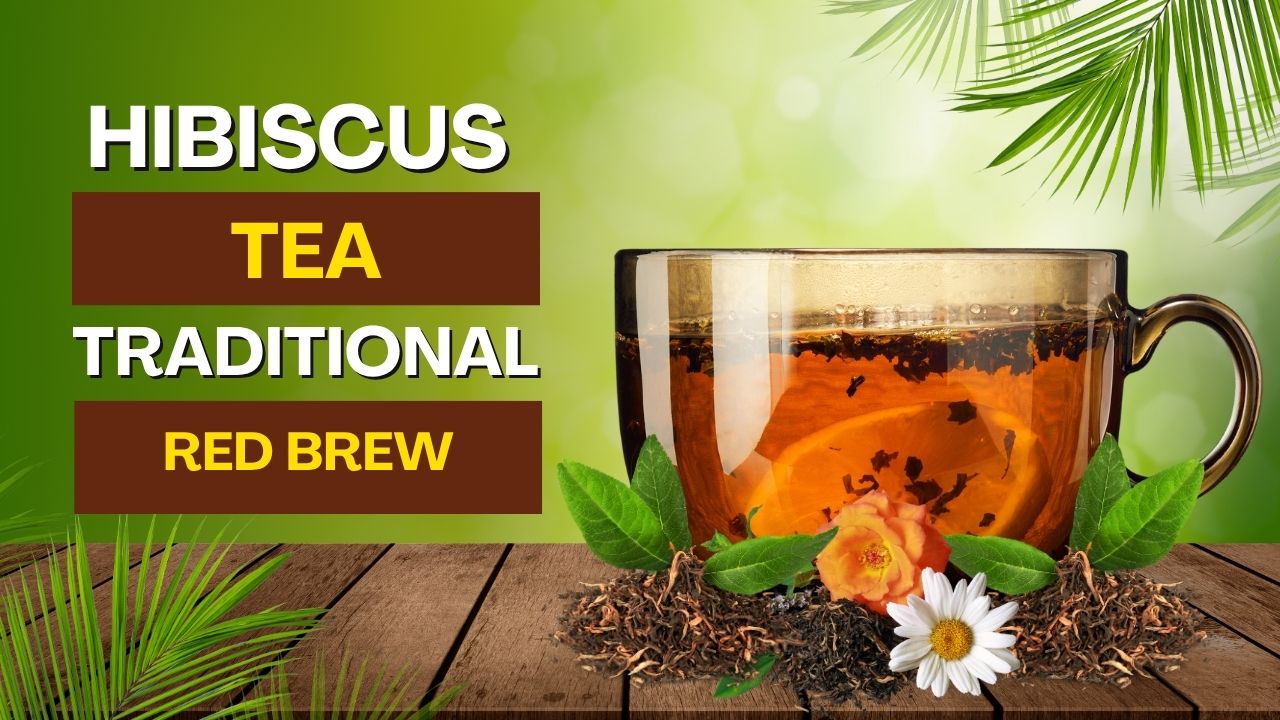
Walk into any Caribbean home around the holidays and you’ll likely find a pitcher of deep red sorrel drink chilling in the fridge. In Egypt, it’s karkade, served hot or cold depending on the season. In Mexico, it’s agua de jamaica, sold from carts on street corners next to horchata. Different names, same plant — hibiscus — and it’s been a staple drink across continents long before it showed up in Western wellness circles as a trendy herbal tea.
What makes hibiscus tea worth talking about isn’t just the color, though that deep ruby-red steep is hard to miss. It’s what’s actually inside the dried petals that has kept this drink in kitchens for generations.
1. Supports Healthy Blood Pressure
This is the benefit hibiscus tea is most known for, and it’s backed by a reasonable amount of research interest over the years. The tea contains anthocyanins — the same plant compounds that give it its red color — which are thought to help relax blood vessels and support healthy circulation. Some people with mild hypertension drink a cup or two daily as part of a broader effort to manage their blood pressure, alongside diet and exercise, not instead of medical treatment.
2. Packed With Antioxidants
Hibiscus is loaded with polyphenols and anthocyanins, the same class of antioxidants found in berries and dark leafy greens. These compounds help the body deal with oxidative stress, which plays a role in aging and various chronic conditions. A cup of hibiscus tea is a simple way to add more of these plant compounds to your day without much effort.
3. May Support Liver Health
Traditional use in parts of Africa and the Middle East includes hibiscus as a mild liver tonic. Some research has looked at whether the antioxidants in hibiscus help protect liver cells from damage, though this is still an area of ongoing study rather than settled science. It’s a reasonable addition to a healthy diet, not a treatment for liver disease.
4. Helps With Digestion
Hibiscus tea has a mild diuretic and slightly laxative effect for some people, which is part of why it’s traditionally sipped after a heavy meal in certain cultures. It can help ease bloating and support regular digestion, especially when paired with warm water rather than iced.
5. A Natural Way to Cool Down
In hot climates like Egypt and Sudan, karkade is traditionally served chilled during the summer specifically because it’s believed to help the body cool down and stay hydrated. Whether that’s purely psychological or has some physiological basis, the tradition has stuck around for a reason — a glass of cold hibiscus tea on a hot afternoon genuinely feels refreshing in a way plain water sometimes doesn’t.
6. Supports Skin Health
The vitamin C and antioxidant content in hibiscus is one reason you’ll find hibiscus extract in some skincare products, not just teas. Vitamin C plays a role in collagen production, and antioxidants help protect skin cells from everyday environmental stress. Drinking the tea regularly won’t replace a skincare routine, but it’s a small nutritional contributor.
7. May Help With Weight Management
Some studies have looked at hibiscus extract’s effect on the body’s ability to manage carbohydrate and fat metabolism, with modest results. It’s not a weight-loss shortcut, but replacing a sugary soda or juice with unsweetened hibiscus tea is a straightforward way to cut calories while still getting flavor and color in your glass.
8. Rich in Vitamin C
Dried hibiscus petals contain a meaningful amount of vitamin C, which supports immune function and skin health. This is part of why hibiscus has historically been used in some cultures as a general wellness drink during cold and flu season, alongside other immune-supporting foods.
9. May Support Healthy Cholesterol Levels
Some research has examined whether hibiscus tea has a favorable effect on LDL cholesterol and triglycerides. The results are promising but not conclusive enough to call hibiscus a cholesterol treatment. Still, as part of a diet that already includes fiber and healthy fats, it’s a reasonable addition.
10. Naturally Caffeine-Free
Unlike black or green tea, hibiscus tea contains no caffeine at all, which makes it a good option for an evening drink or for anyone cutting back on caffeine without giving up the ritual of a warm cup in hand. It’s also a favorite for pregnant women looking for a flavorful alternative to regular tea, though it’s worth checking with a doctor first since hibiscus in large amounts has been debated in pregnancy contexts.

How to Brew It Right
Steep two teaspoons of dried hibiscus petals — or one hibiscus tea bag — in hot water for about five to seven minutes. The longer you steep it, the more tart and deeply colored it becomes, similar to how black tea gets stronger the longer it sits. If the tartness is too much, a spoon of honey or a slice of orange balances it out nicely. For iced hibiscus tea, brew it double-strength and pour over ice, the way it’s traditionally served in Mexican agua de jamaica.
A realistic way to work it into your week: brew a large pitcher on Sunday, keep it in the fridge, and drink a glass in place of soda or juice with lunch. It’s an easy swap that doesn’t require remembering to make tea fresh every day.
A Few Things to Keep in Mind
Hibiscus tea can interact with certain blood pressure medications since both work to lower blood pressure, so if you’re on medication for this, talk to your doctor before making it a daily habit. It’s also generally advised in moderation during pregnancy. Beyond that, for most healthy adults, a cup or two a day is a normal amount to enjoy without concern.
Frequently Asked Questions
What does hibiscus tea taste like? It’s tart and slightly floral, often compared to cranberry juice or a less sweet version of a fruit punch. The tartness is part of why it’s often served with a bit of honey or sugar.
Can I drink hibiscus tea every day? Yes, for most healthy adults, one to two cups a day is considered a normal amount. If you’re on blood pressure medication or pregnant, check with your doctor first.
Is hibiscus tea good before bed? Since it’s caffeine-free, it’s a fine option in the evening. Some people find the mild diuretic effect means an extra bathroom trip at night, so drinking it a bit earlier in the evening rather than right before bed can help.
Does hibiscus tea help you lose weight? It’s not a weight-loss solution on its own, but swapping sugary drinks for unsweetened hibiscus tea can support weight management as part of an overall healthy diet.
Can I mix hibiscus tea with other herbs? Absolutely. It pairs well with ginger, mint, or cinnamon, all of which are common additions in different regional versions of the drink.
Is hot or cold hibiscus tea better for health benefits? Temperature doesn’t significantly change the nutrient content. It mostly comes down to personal preference and the season — hot in winter, cold in summer, as is traditional in many cultures that drink it.