


In the ever-growing world of skincare and wellness, glutathione tablets have quickly become a hot topic — often praised for their skin-brightening, detoxifying, and anti-aging properties. From beauty influencers to dermatologists, many are talking about this so-called “master antioxidant.” But the big question remains: Are glutathione tablets safe?
We’ll go over the science, safety, advantages, and drawbacks of glutathione supplements in this extensive guide so you can make an informed choice for your skin and overall health.
Are Glutathione Tablets Safe?
Yes, glutathione tablets are generally considered safe for most healthy individuals when taken in appropriate doses. However, like any supplement, there are important factors to consider.

Safety According to Research
The safety profile of oral glutathione has been investigated in a number of clinical studies:
Oral glutathione is safe and effective for whitening skin over a 4-week period, according to a 2017 randomised, double-blind trial that was published in the Journal of Clinical and Aesthetic Dermatology.
When used properly, glutathione is classified as “Generally Recognised as Safe” (GRAS) by the US FDA and the European Food Safety Authority (EFSA).
Some Best Pick Products For You
These products have been carefully selected by our research team after thorough analysis and comparison. We believe they are some of the best options currently available on the market. If you find them helpful, please consider purchasing through our affiliate links — it helps support our blog and allows us to continue providing trusted reviews and recommendations.
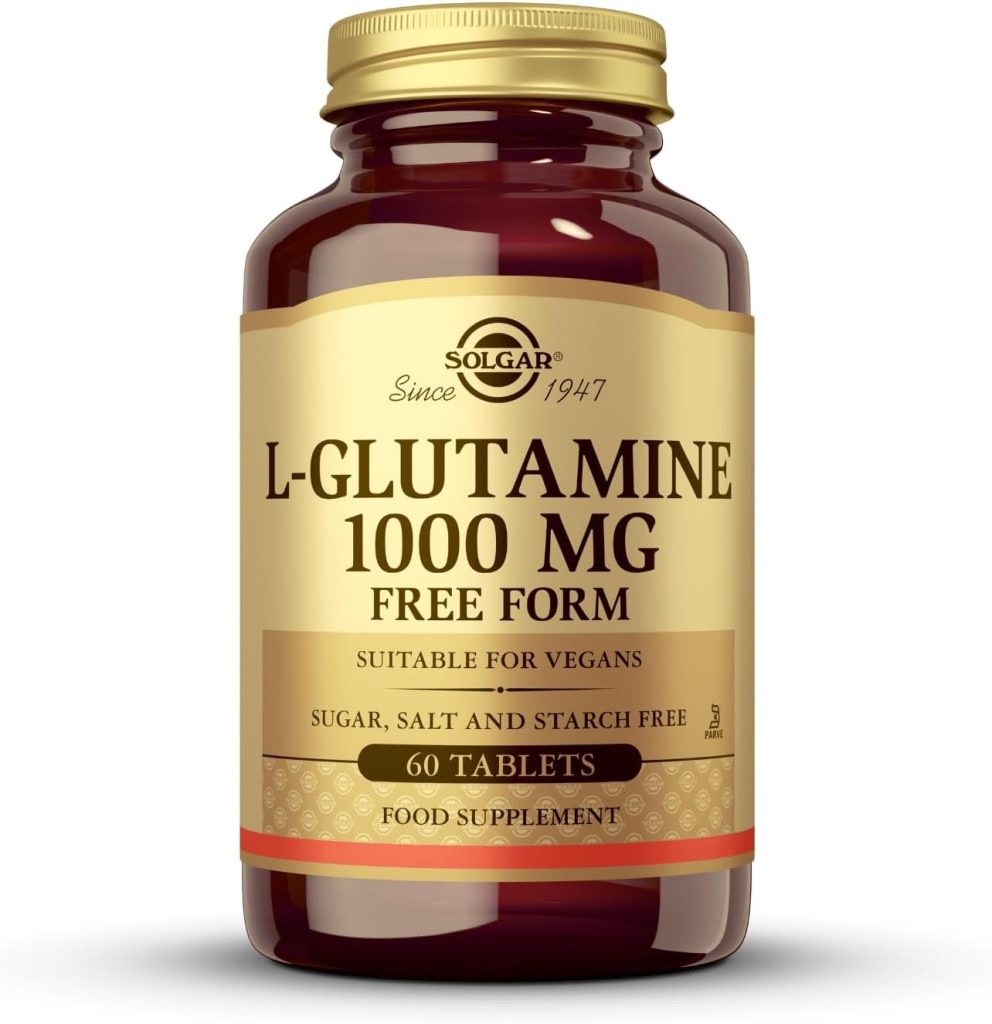
Solgar L-Glutamine 1000 mg, 60 Tablets - Natural Muscle Food - Promotes Gastrointestinal (GI) Health - Supports Brain Health - Non-GMO, Vegan, Gluten Free, Dairy Free, Kosher - 30 Servings

Who Should Avoid Glutathione Supplements?
Glutathione is not suitable for everyone. You should consult your doctor before taking glutathione tablets if you:
Are pregnant or breastfeeding
Have asthma (as inhaled forms may cause bronchial reactions)
Are taking chemotherapy or immunosuppressant drugs
Have kidney or liver disease
Are allergic to sulfur-containing compounds
Recommended Dosage of Glutathione Tablets
Typical doses of oral glutathione range from 250 mg to 1000 mg per day, often split between morning and evening. For skin lightening purposes, some people take 500 mg to 1500 mg daily, but always start with the lowest effective dose.
For Best Results:
Combine glutathione with Vitamin C, which helps regenerate it in the body and enhances absorption.
Take it on an empty stomach, ideally in the morning.
Choose reduced glutathione (L-glutathione) for better bioavailability.
Choosing a Safe Glutathione Supplement
Not all supplements are created equal. When choosing a glutathione tablet, look for the following:
Key Things to Check:
L-Glutathione (Reduced Form): This is the most bioavailable and effective form.
Third-Party Testing: Ensure the product is tested for purity and potency.
No Harmful Fillers: Avoid tablets with unnecessary additives, colors, or allergens.
Made in GMP-Certified Facilities: This ensures quality manufacturing standards.
🔥 Bonus Tip:
Some users opt for liposomal glutathione, which is believed to offer even better absorption by protecting the glutathione from stomach acid.








Hiii