


Glutathione supplements have become increasingly popular, with more people than ever seeking out this powerful compound to support their health and wellness goals. Often referred to as the “master antioxidant,” glutathione earns its reputation by playing a crucial role in shielding your cells from damage, neutralizing harmful free radicals, and reducing oxidative stress throughout the body. Its protective effects are not just about preventing cell damage—glutathione is also involved in detoxifying harmful substances from the liver, supporting immune function, and even influencing how your skin looks and feels.
- Why People Take Glutathione Supplements
- 1. Antioxidant Protection
- 2. Skin Health and Brightness
- 3. Immune and Metabolic Support
- 4. Medical Uses
- 5. Gut and Inflammatory Issues
- Does Glutathione Really Lighten Skin?
- Types of Glutathione Supplements
- Capsules or Tablets
- Liposomal Glutathione
- Sublingual Tablets
- Liquid Supplements
- S-Acetyl or Reduced Forms
- Now Foods - Glutathione Cellular Antioxidant 500 mg. - 60 Vegetarian Capsules
- Popular Glutathione Supplements
- How to Pick the Right Glutathione Supplement
- Dosage Guidelines
- Safety and Side Effects
- Boosting Glutathione Naturally
- Oral vs. Injectable Supplements
- Who Might Benefit
- Common Myths
- Final Thoughts
Many individuals turn to best glutathione supplement for different reasons. Some are hoping to achieve a brighter, more even complexion, since glutathione has been linked to skin-lightening effects and improved radiance. Others seek out its detoxification properties, particularly those looking for ways to support liver health or bolster their body’s natural cleansing processes. There’s also a growing interest in using glutathione to help maintain a resilient immune system, especially during times of increased stress or exposure to environmental toxins.
When you start searching for a best glutathione supplement, it quickly becomes clear that there are countless options available. The shelves are lined with tablets, capsules, powders, and even advanced formulations like liposomal glutathione, which claims to offer better absorption. Some products come in liquid form for those who prefer easy dosing, while others are combined with additional ingredients meant to enhance their effects. With so many choices, it’s easy to feel overwhelmed or unsure about which option is genuinely effective—and, more importantly, safe.
Understanding how glutathione works in the body can help narrow down your choices. Not all supplements are created equal; factors like the form of glutathione, the quality of the manufacturing process, and the presence of supportive ingredients such as vitamin C or N-acetylcysteine can all influence how well a supplement works. Liposomal formulations, for example, are designed so the glutathione is encased in microscopic fat particles, potentially allowing it to bypass harsh stomach acids and increasing its availability to your cells.
It’s also important to pay attention to brand reputation and transparency. Reputable brands will provide clear information about sourcing, manufacturing standards, and third-party testing to ensure purity and potency. Reading reviews, consulting with healthcare professionals, or looking for certifications can further guide you toward making an informed decision.
Ultimately, choosing the right glutathione supplement comes down to understanding your own health needs, being aware of the different types and delivery methods, and doing a bit of homework to identify trustworthy products. By prioritizing safety, efficacy, and quality, you can make the most of what this remarkable antioxidant has to offer and support your health in a meaningful way.


Why People Take Glutathione Supplements
1. Antioxidant Protection
Glutathione is often called the “master antioxidant” for good reason. It works deep in your cells, neutralizing harmful molecules known as free radicals that are generated by pollution, stress, and even normal metabolism. By reducing this oxidative stress, glutathione helps prevent damage to cellular components like DNA, proteins, and lipids. Over time, unchecked oxidative stress is linked to serious health issues, including chronic diseases like heart disease, diabetes, and certain cancers. Regularly supporting your body’s glutathione levels may help defend against these long-term threats and keep your cells functioning at their best.
2. Skin Health and Brightness
Glutathione’s impact on skin tone has made it popular in skincare circles, especially among people hoping to achieve a brighter, more even complexion. Some scientific studies suggest that taking glutathione orally can decrease melanin production—the pigment responsible for skin color—leading to lighter skin and reduced dark spots. The antioxidant also helps fight skin damage caused by sun exposure, pollution, and aging, potentially leaving skin looking fresher and healthier. However, results can vary greatly from one person to another due to differences in genetics, lifestyle, and how each body absorbs and processes the supplement. While some users report significant improvements in skin brightness, others notice little change, so it’s important to manage expectations.
3. Immune and Metabolic Support
Beyond its antioxidant powers, glutathione is essential for a strong immune system. It helps white blood cells function effectively, giving your body a better chance to fight off infections. Recent studies also link adequate glutathione levels to improved metabolic health. It plays a role in regulating insulin sensitivity, so supporting your glutathione status may help your body use insulin more efficiently, which is especially relevant for people concerned about blood sugar and weight management. Additionally, glutathione assists in detoxifying the liver, helping your body clear out harmful substances more easily.
4. Medical Uses
Doctors sometimes use glutathione in clinical settings to support patients with specific health challenges. For example, it can be given alongside chemotherapy to help minimize side effects like nerve pain and fatigue. Glutathione may also support immune function in patients with weakened systems, such as those with chronic illnesses or autoimmune conditions. Some early research hints that it could help with neurological diseases like Parkinson’s, since low glutathione levels are linked to nerve damage. However, while these uses are promising, medical science is still working to confirm exactly how effective and safe glutathione is for these conditions, and it’s not a replacement for established medical treatments.
5. Gut and Inflammatory Issues
Emerging research suggests glutathione’s benefits might extend to gut health and inflammation. People with certain digestive disorders or chronic inflammatory conditions often have lower glutathione levels, possibly due to ongoing stress on the body. Supplementing with glutathione could help restore balance, reduce inflammation, and support healing in the gut lining. This, in turn, might improve symptoms in conditions like irritable bowel syndrome (IBS) or inflammatory bowel disease (IBD). Still, much of this evidence comes from early-stage studies, so there’s a lot more to learn about the best ways to use glutathione for these purposes.
Does Glutathione Really Lighten Skin?
When it comes to skin lightening, glutathione works by interfering with the production of melanin in skin cells. Some clinical trials have found that taking glutathione orally or applying it topically can lead to visibly lighter skin and a reduction in hyperpigmentation compared to placebos. This effect has made glutathione a sought-after ingredient in the beauty industry, especially in regions where lighter skin is a cultural preference. However, it’s critical to remember that scientific consensus is still lacking. Individual responses differ—some people see noticeable lightening, while others see minimal or no change. Many claims about dramatic results are based on personal testimonies rather than rigorous scientific studies. For anyone considering glutathione for skin lightening, it’s wise to consult a healthcare professional, be cautious with expectations, and prioritize safety over unproven promises.
Types of Glutathione Supplements
Understanding the different supplement forms can help you choose the most effective option for your needs and lifestyle.
Capsules or Tablets
These are the most common and widely available forms of glutathione. They’re convenient and easy to take daily, but there’s a catch: the digestive system may break down much of the glutathione before it gets absorbed into your bloodstream. As a result, the amount that actually reaches your cells can be limited.
Liposomal Glutathione
Liposomal supplements use tiny fat particles (liposomes) to encapsulate glutathione, protecting it from stomach acid and digestive enzymes. This technology helps more glutathione survive the journey through your gut, allowing greater absorption into your system. Some studies suggest that liposomal glutathione offers better bioavailability, meaning your body can use more of it compared to standard capsules or tablets.
Sublingual Tablets
Sublingual glutathione is designed to dissolve under your tongue, where it can be absorbed directly into the bloodstream through the tissues in your mouth. This method bypasses the digestive tract entirely, potentially resulting in higher absorption rates and faster effects. It’s a convenient choice for those who have trouble swallowing pills or want quicker results.
Liquid Supplements
Liquid forms of glutathione are easy to take and can be added to drinks or taken directly by mouth. Some liquid supplements are formulated with absorption-enhancing ingredients or technologies, making them a popular option for people seeking maximum effectiveness. However, taste and storage requirements can vary.
S-Acetyl or Reduced Forms
Some glutathione supplements use special forms like S-acetyl-glutathione or reduced glutathione, which are more stable and resistant to breakdown during digestion. These versions are designed to ensure that more of the active compound makes it into your bloodstream, so your cells can benefit from its effects. Choosing these advanced forms may offer an edge, especially if you have a health condition that affects nutrient absorption.
In summary, glutathione serves a broad range of important functions in the body—from protecting your cells and supporting your immune system to potentially improving skin health and assisting with medical treatments. While some of its uses are well-supported, others require more research. If you’re considering glutathione supplementation, it’s best to do your homework, set realistic expectations, and talk with a healthcare provider to determine the safest and most effective approach for you.
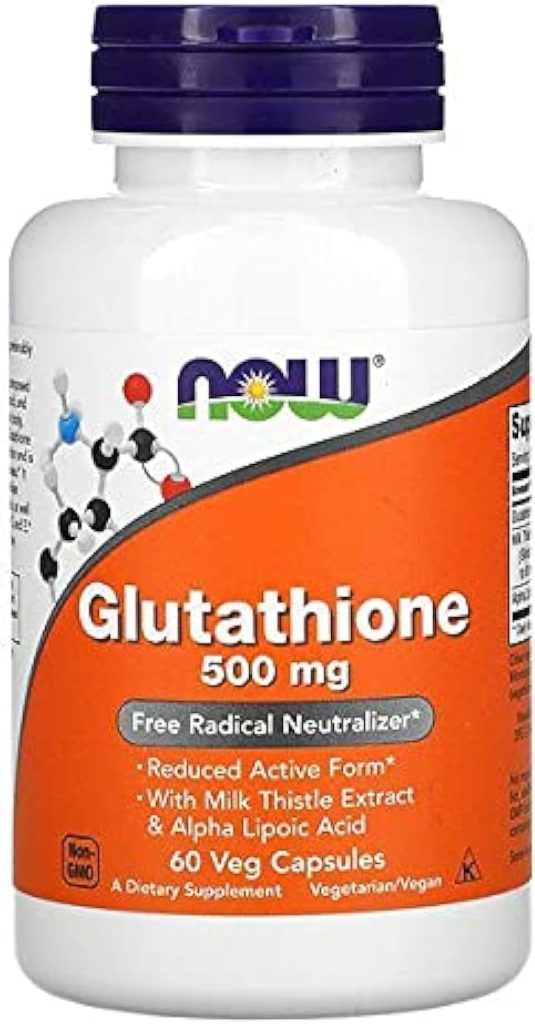
Now Foods - Glutathione Cellular Antioxidant 500 mg. - 60 Vegetarian Capsules
Brand NOW Foods Unit Count 60 Count Item Form Softgel Item Weight 0.08 Kilograms
Popular Glutathione Supplements
A few brands show up again and again in reviews. Codeage Liposomal Glutathione tends to be a solid all-around pick. If you’re on a budget, Life Extension Glutathione usually costs less. For extra liver support, Doctor’s Best Glutathione + Milk Thistle is a good option. Quicksilver Scientific offers a liquid version that’s easy to take.
Depending on where you live, you’ll also see products like Naturebell Glutathione capsules, NOW Foods supplements, or Relumins L-Glutathione complex on the shelves. Prices jump around a lot depending on the strength and type.
How to Pick the Right Glutathione Supplement
Start with the type. Liposomal and sublingual formulas often absorb better than standard pills.
Quality matters. Check for independent testing or certification so you know you’re actually getting what the label promises.
Think about dosage. For daily maintenance, most people take 250 to 500 mg a day. If you want to target pigmentation or support against oxidative stress, 500 to 600 mg is common. Don’t go overboard unless your doctor tells you to.
Look at the ingredients. Some blends add antioxidants or milk thistle for extra benefits.
And don’t skip this step: talk to your doctor. Supplements aren’t for everyone, and they sometimes clash with medications.
Dosage Guidelines
Oral glutathione seems safe for most people at up to 500 mg daily if you’re only using it for a little while. Taking your dose in smaller amounts throughout the day, or using slow-release versions, might help your body use it better. Always check with your doctor before bumping up the dose.
Safety and Side Effects
Most adults handle glutathione well if they stick to recommended amounts. But there are a few things to watch for. Pregnant or breastfeeding? Ask your doctor first. If you have asthma, skip inhaled forms. And if you’re on other meds, keep an eye out for interactions.
Overall, research shows low toxicity, but we still don’t know much about long-term use.
Boosting Glutathione Naturally
You don’t have to rely only on pills. Foods like garlic, spinach, oranges, chia seeds, and avocados can help your body make more glutathione. Plus, healthy habits—think less alcohol and fewer toxins—go a long way.
Oral vs. Injectable Supplements
Oral supplements are easy to get and generally safe, though your body may not absorb all of it. Injections work faster and are used in medical settings, but they’re riskier and need a doctor’s supervision. Your choice depends on what you’re trying to achieve and your budget—always get medical advice first.
Who Might Benefit
Supplements make sense for people under a lot of oxidative stress, those looking for extra antioxidant support, or folks with certain health needs. If you’re healthy and your body’s making enough glutathione, you probably don’t need extra.
Common Myths
Myth: All glutathione supplements make your skin dramatically whiter.
Reality: Results are all over the place, and the science isn’t strong.
Myth: The more you take, the better and faster it works.
Reality: Higher doses don’t always help—and can be a waste.
Myth: Supplements can take the place of healthy habits.
Reality: You still need a good diet and lifestyle, no way around it.
Final Thoughts
Finding the best glutathione supplement isn’t about splurging on the priciest bottle. It’s about knowing what’s in it, checking the quality, taking the right amount, and making sure it fits your health goals.
The research is promising, especially for antioxidant effects and supporting skin, but we’re still learning. Supplements should back up, not replace, healthy living.
If you’re thinking about using glutathione for your skin or overall health, start with a trusted brand, stick to safe doses, and talk things over with your doctor. That way, you get the benefits without unnecessary risks.