


Glutathione has exploded in popularity as a “whitening” supplement, especially in Asia-Pacific, Africa, and other regions where fair skin is highly valuedhe global skin‐whitening market was an estimated $8.8 billion in 2022 and is projected to reach $15.7 billion by 2030. Similarly, the glutathione market is expected to grow rapidly (from $0.47 billion in 2023 to $0.85 billion by 2030) as cosmetics and cosmeceuticals increasingly explore glutathione for “anti‐aging” and skin lightening. For consumers worldwide, many top brands now offer skin whitening pills with glutathione, glutathione capsules for fair skin, and other formulations. In this article, we review how glutathione is thought to lighten skin and list the top glutathione supplements for safe, effective use. We also cover how to choose a quality product, dosage tips, and safety precautions.
Table of Contents

Best Glutathione Supplements for Skin Whitening
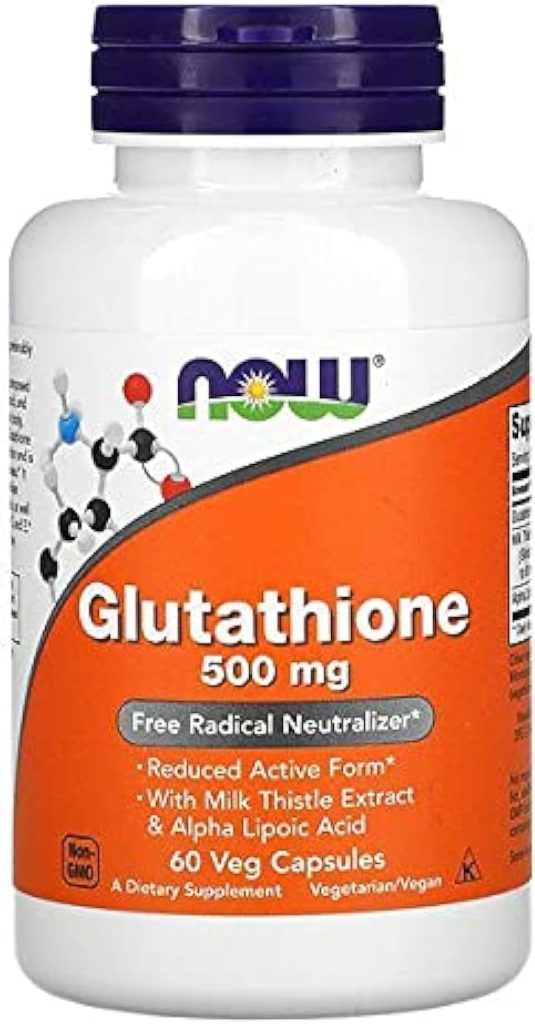
Now Foods - Glutathione Cellular Antioxidant 500 mg. - 60 Vegetarian Capsules
Brand NOW Foods Unit Count 60 Count Item Form Softgel Item Weight 0.08 Kilograms

Glutathione is a natural tripeptide (glutamate, cysteine, and glycine) present in every cell, known for its antioxidant and detoxifying roles. In biology, it keeps cells healthy by neutralizing free radicals and recycling vitamins. The skin‐lightening claims come from its antimelanogenic effects. In laboratory studies, glutathione can inhibit tyrosinase – the key enzyme that makes melanin pigment – and shift production from darker eumelanin to lighter pheomelanin. In other words, higher glutathione activity can potentially reduce melanin formation and lighten skin tone.
However, the clinical evidence in humans is still limited. Reviews note that most claims are based on in vitro studies or small trials, and the hype of oral or injectable glutathione for complexion is largely marketing-driven. For example, Sonthalia et al. point out that aggressive marketing has outpaced actual proof: they describe the use of glutathione as a “wonder drug” for skin lightening despite “limited clinical evidence” and even regulatory warnings against its use for this purpose. In short, glutathione can inhibit melanin in principle, but how well oral supplements work in practice is not fully settled. Keeping this in mind, many people still use glutathione pills and capsules for brighter skin, while researchers call for more studies.
Top Glutathione Supplements for Skin Whitening
Many glutathione supplements are marketed for radiant, fairer skin. We researched products from reputable brands (Amazon, iHerb, official sites) to compile a list of the 7–10 best glutathione whitening supplements worldwide. For each product below, we give a brief description, key ingredients, pros/cons, pricing, and why it stands out.
1. Pure Encapsulations – Liposomal Glutathione (60 Veg Capsules)
Pure Encapsulations is a professional-grade brand. Their Liposomal Glutathione uses Setria® (reduced) glutathione for purity and wraps it in phospholipids for better absorption. Each vegetable capsule delivers 375 mg Setria® L-Glutathione, as confirmed on the labelamazon.com. The liposomal formula is designed to protect glutathione from digestion, potentially improving uptake. This supplement is non-GMO, soy- and gluten-free,
Key Ingredients: 375 mg Setria® L-Glutathione (phospholipid-encapsulated) per capsule(Also contains sunflower lecithin, olive oil, no fillers.)
Pros: High-quality USP-grade glutathione; liposomal delivery for improved absorptionhypoallergenic formula (no common allergens); trusted by healthcare professionals.
Cons: Expensive compared to standard capsules (about $103.55 for 60, ~$1.73 each); relatively lower dose per capsule (375 mg), so daily dose may require 1–2 capsules; no additional “skin whitening” actives.
Price: Roughly $100–110 per bottle (60 capsules)amazon.com (~$1.70 per capsule).
Why Recommended: Pure Encapsulations is a well-known brand in integrative medicine, and using Setria® glutathione with liposomal technology makes this a premium product for maximizing glutathione levels. Many users report general health benefits, and its purity is appealing for safety.
2. Luma Nutrition – Glutathione (500 mg S-Acetyl)
Luma Nutrition’s Glutathione is a vegan capsule offering 500 mg of S-Acetyl L-Glutathione, a stable form of glutathione. The brand claims this formulation “supports even skin tone, reduces hyperpigmentation, and boosts natural collagen,” promoting a radiant complexion. It’s gluten-free, non-GMO, and made in the USA by a small business. The Amazon listing notes: “Luma’s S-Acetyl L-glutathione supplement capsules aid liver support health, promote even skin tone, reduce hyperpigmentation, and boost natural collagen production leading to radiant skin complexion.”
Key Ingredients: 500 mg S-Acetyl L-Glutathione per serving (capsule). (Also gelatin capsule base, no fillers listed.)
Pros: High dose (500 mg) of glutathione per dose; S-Acetyl form may be more bioavailable than plain L-glutathione; dedicated beauty formulation (claimed skin benefits); third-party tested; positive user reviews (4.4★ on Amazon).
Cons: Requires 2 capsules daily for full 500 mg dose (some confusion on label instructions); relatively new brand (less clinical history); premium pricing (~$30 for 60) without extra actives.
Price: About $30 for 60 capsules ($0.50 per count)(often with discounts on “subscribe”).
Why Recommended: Luma’s formula focuses on skin support and uses the acetylated form for stability. It has solid reviews and a good price for the dose. The marketing emphasizes skin brightening with natural ingredients, and the company offers a satisfaction guarantee.
Tips on Choosing the Best Glutathione Supplement
Choosing the right glutathione supplement involves balancing potency, form, and quality. Here are some pointers:
Form and Bioavailability: Since oral glutathione may be broken down by digestive enzymes, many experts recommend liposomal or sublingual form Liposomal capsules (like Codeage or Pure Encapsulations) and liquids encapsulate glutathione in fat particles to help it survive digestion Sublingual tablets (dissolved under the tongue) can also improve uptake. If you choose regular capsules, consider taking them with vitamin C or diet factors (curcumin, NAC, etc.) that help boost glutathione levels indirectly.
Dosage: Research studies often use 250–1000 mg per day of glutathione. Many supplements fall in this range. Higher doses (above ~2000 mg/day) should be used with caution; some sources advise not to exceed 2000 mg/day of glutathione, as very high long-term doses may carry risks. Always follow label directions or physician advice.
Quality and Purity: Look for supplements that use a high-quality form (e.g. Setria® brand glutathione) and list the exact glutathione content. Third-party testing or USP-verified status is a plus (e.g. Toniiq tests each batch). Check for allergen-free, non-GMO formulas if you have sensitivities. Liposomal products should be stored properly (some liquid glutathione require refrigeration to stay stable).
Additional Ingredients: Some products combine glutathione with synergistic nutrients. For example, ascorbic acid (vitamin C) can help recycle glutathione in the body, and alpha-lipoic acid (ALA) supports antioxidant networks. Others include herbal extracts (milk thistle, grape seed, niacinamide) for added skin/liver benefits. These blends can be helpful, but verify the label to know the actual glutathione dose.
Intended Use: Decide if you need a pure supplement or a cosmetic‐targeted formula. Pure glutathione capsules (Jarrow, NOW, Nutricost) are versatile and often more cost‐effective. Beauty‐focused supplements (Amerrition, Luma) may add ingredients specifically claimed to enhance complexion. Choose based on your priorities.
Consult a Professional: If you have health conditions or take medications, it’s wise to talk to a healthcare provider before starting high-dose supplements. They can check for interactions (for example, milk thistle or ALA in some products can interact with drugs).



I think this site holds some really good info for everyone