
Are you looking for healthy and glowing skin? In today’s world of beauty and skincare, achieving radiant, healthy-looking skin is a common goal. From natural remedies to cutting-edge treatments, people are constantly searching for the most effective solutions. One such compound that has gained considerable attention in recent years is glutathione. Known for its skin-lightening properties, glutathione is now being widely recognized for its ability to improve skin texture and boost natural glow.
- How Glutathione Affects the Skin
- 1. Reduces Oxidative Stress
- 2. Inhibits Melanin Production
- 3. Detoxifies the Body
- 4. Anti-Inflammatory Properties
- What the Research Says About Glutathione for Skin Texture
- Does Glutathione Actually Work for Skin Glow?
- Forms of Glutathione: Which One is Best for Skin?
- Natural Ways to Boost Glutathione for Glowing Skin
- How Long Does It Take to See Results?
- Are There Any Side Effects?
- Final Thoughts: Is Glutathione Worth It for Better Skin?
- Frequently Asked Questions (FAQs)
But what exactly is glutathione?
Can glutathione improve skin texture and glow?
And can it truly transform your skin’s appearance?
In this article, we’ll explore what glutathione is, how it works, and whether it really lives up to the hype when it comes to improving skin texture and glow.
Table of Contents
How Glutathione Affects the Skin
Glutathione impacts the skin in multiple ways, making it a popular ingredient in the skincare and wellness industries. Here’s how it works:
1. Reduces Oxidative Stress
Free radicals damage skin cells, accelerate aging, and cause dullness and rough texture. Glutathione neutralizes these harmful molecules, reducing oxidative stress and preventing premature aging. This protection can lead to healthier, smoother, and more resilient skin.
2. Inhibits Melanin Production
One of glutathione’s most well-known effects is its ability to lighten skin tone. It does this by inhibiting tyrosinase, an enzyme involved in melanin production. Reduced melanin means a brighter, more even complexion and less hyperpigmentation, age spots, and blemishes.
3. Detoxifies the Body
Glutathione plays a major role in liver detoxification. A healthier liver means the body is more effective at eliminating toxins, which can contribute to clearer skin. When the body is overloaded with toxins, they can manifest as acne, irritation, and uneven skin tone. A detoxified body can show noticeable improvements in skin clarity and glow.
4. Anti-Inflammatory Properties
Chronic inflammation can lead to a variety of skin issues, including redness, breakouts, and texture irregularities. Glutathione has natural anti-inflammatory effects, helping to calm the skin and promote a more even and refined texture.
What the Research Says About Glutathione for Skin Texture
Although glutathione is most frequently linked to skin lightening, a number of research and anecdotal reports indicate that it can also greatly enhance skin texture.
Smoother Skin
By protecting the skin from oxidative damage and promoting cell renewal, glutathione may contribute to softer and more supple skin. Many users report a reduction in rough patches, dryness, and fine lines after consistent glutathione use.
Reduced Acne and Scarring
Its detoxifying and anti-inflammatory effects help reduce acne, prevent future breakouts, and improve the appearance of acne scars. This leads to a more even and smooth skin surface.
Hydration and Elasticity
Some studies show that glutathione supplementation can enhance skin hydration and elasticity, especially when combined with vitamin C. This can lead to a plumper and more youthful-looking appearance.
Does Glutathione Actually Work for Skin Glow?
Healthy, moisturised, and well-nourished skin is frequently indicated by a radiant complexion. Skin brightness is influenced by glutathione in multiple important ways:
- reduces dark spots and extra melanin to brighten the complexion.
- makes the skin appear clearer and more bright by detoxifying it.
- gives the skin a natural flush by increasing blood circulation, particularly when given intravenously.
- enhances cellular regeneration and skin metabolism, which eventually results in a more youthful appearance.
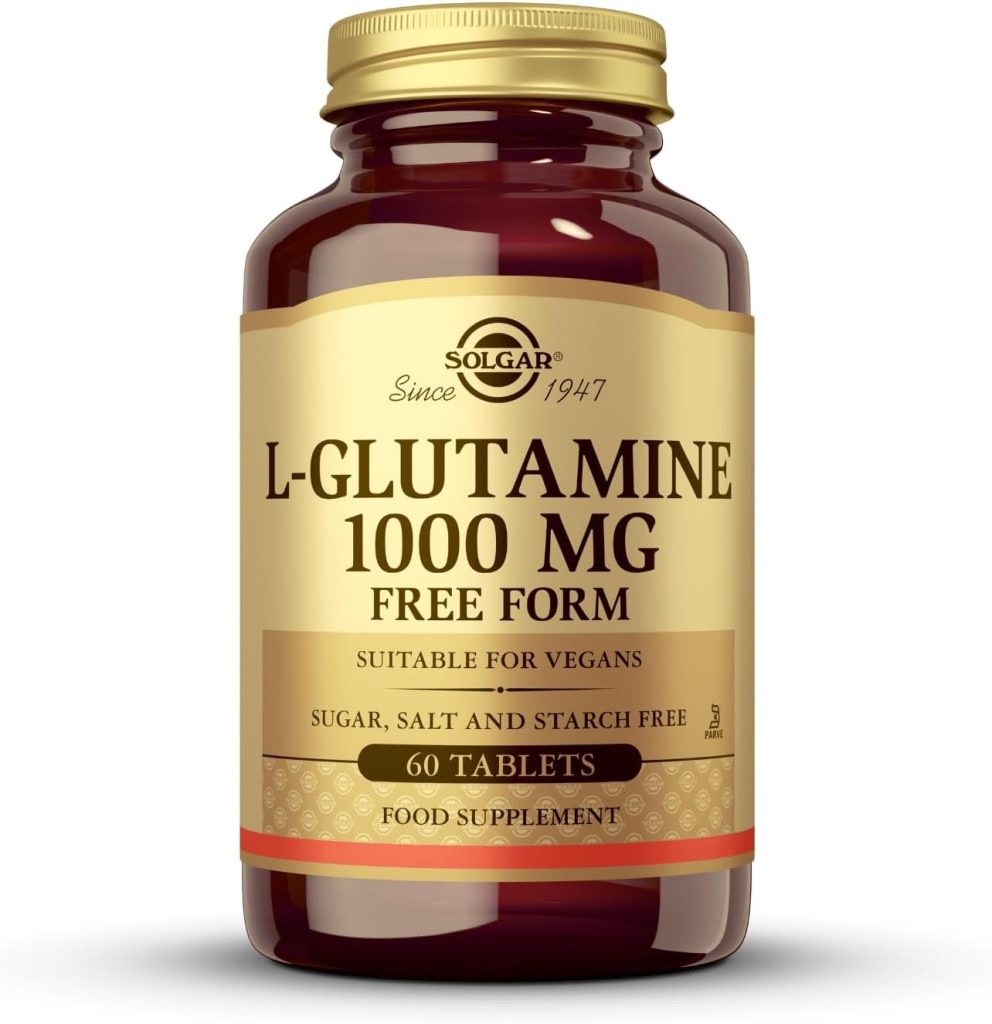
Solgar L-Glutamine 1000 mg, 60 Tablets - Natural Muscle Food - Promotes Gastrointestinal (GI) Health - Supports Brain Health - Non-GMO, Vegan, Gluten Free, Dairy Free, Kosher - 30 Servings

Forms of Glutathione: Which One is Best for Skin?
If you’re considering adding glutathione to your skincare routine, it’s important to understand the different ways it can be administered:
1. Oral Supplements
Glutathione pills and capsules are popular due to convenience. While some experts question their absorption rate, many users still report visible improvements in skin tone and texture over time. Look for liposomal glutathione or pair it with vitamin C for better absorption.
2. Intravenous (IV) Glutathione
IV glutathione treatments are often promoted in clinics for rapid skin brightening and detoxification. This method offers high bioavailability, and many users report quicker and more noticeable results. However, it’s important to consult with a licensed healthcare provider before undergoing IV treatments.
3. Topical Glutathione
Found in creams, lotions, and serums, topical glutathione can be directly applied to the skin. It’s most effective when combined with other antioxidants and skin-repairing ingredients. Though results may be slower, this method is non-invasive and easy to incorporate into daily routines.
4. Sublingual Glutathione
Taken under the tongue, sublingual glutathione allows for faster absorption into the bloodstream than traditional capsules. It’s a good alternative for those seeking better absorption without going the IV route.
Natural Ways to Boost Glutathione for Glowing Skin
While supplements are effective, you can also naturally support your body’s glutathione production through lifestyle changes:
Eat glutathione-rich foods: Spinach, broccoli, asparagus, avocado, and garlic.
Consume sulfur-rich foods: Cruciferous vegetables help build glutathione.
Get enough sleep: Quality rest is essential for cellular repair and antioxidant production.
Exercise regularly: Moderate physical activity boosts glutathione levels naturally.
Reduce stress: Chronic stress can deplete glutathione and worsen skin conditions.
How Long Does It Take to See Results?
Results vary depending on the method of glutathione use, individual skin type, and lifestyle habits. Generally:
Oral supplements: 1 to 3 months for noticeable improvement in skin tone and texture.
IV treatments: Visible results within 3 to 4 sessions (often faster).
Topical application: 4 to 8 weeks with consistent use.
Are There Any Side Effects?
Glutathione is generally considered safe when used appropriately. However, potential side effects may include:
Allergic reactions (rare)
Digestive upset (with oral use)
Skin rashes (from topical formulations)
Always consult a dermatologist or healthcare provider before starting any new supplement, especially if you’re pregnant, breastfeeding, or taking medications.
Final Thoughts: Is Glutathione Worth It for Better Skin?
So, can glutathione improve skin texture and glow?
Yes, when used consistently and correctly, glutathione can significantly enhance your skin’s appearance. Its antioxidant power, detoxifying properties, and melanin-reducing abilities all contribute to smoother, brighter, and more radiant skin.
While results won’t happen overnight, glutathione is a valuable addition to a holistic skincare approach. Combine it with a healthy lifestyle, good skincare practices, and sun protection to unlock your skin’s full potential.
Frequently Asked Questions (FAQs)
Q1: Can glutathione lighten dark spots?
Yes. Glutathione inhibits melanin production, which can reduce the appearance of dark spots, acne scars, and hyperpigmentation.
Q2: Is glutathione safe for all skin types?
Generally, yes. However, individuals with sensitive skin or certain health conditions should consult a professional before use.
Q3: Can I take glutathione every day?
Daily supplementation is common, especially in lower doses. Follow the recommended dosage or consult a healthcare provider.
Q4: Is it better to take glutathione with vitamin C?
Yes. Vitamin C enhances glutathione’s absorption and effectiveness, particularly for skin-brightening purposes.
Q5: Does glutathione help with anti-aging?
Yes. Its antioxidant and anti-inflammatory effects help reduce fine lines, wrinkles, and dullness, contributing to a youthful appearance.