
Cellulite is a common cosmetic concern that affects millions of people worldwide, especially women. Despite a healthy lifestyle, regular exercise, and balanced nutrition, cellulite can persist and appear as dimpled or uneven skin, most commonly on the thighs, buttocks, hips, and abdomen. With advancements in aesthetic medicine, cellulite laser treatment has become one of the most effective and scientifically proven solutions to reduce cellulite and improve skin texture.

Table of Contents
So, what’s cellulite, really? It’s just fat pushing up against the connective tissue under your skin. This creates that bumpy, dimpled look people often call “orange peel” or “cottage cheese” skin. It’s not a health problem—just a cosmetic thing.
Why do some people get cellulite and others don’t? It’s a mix of stuff. Hormones (like estrogen) play a big role. Genetics matter, too—if your family has it, odds are you might, as well. Poor circulation and sluggish lymphatic drainage don’t help. As you age, your skin loses some bounce and elasticity, making cellulite more noticeable. Weak connective tissue and certain lifestyle choices—think lots of sitting, a not-so-great diet, or smoking—can also make it worse. And honestly, it doesn’t matter if you’re thin or fit; cellulite doesn’t discriminate.
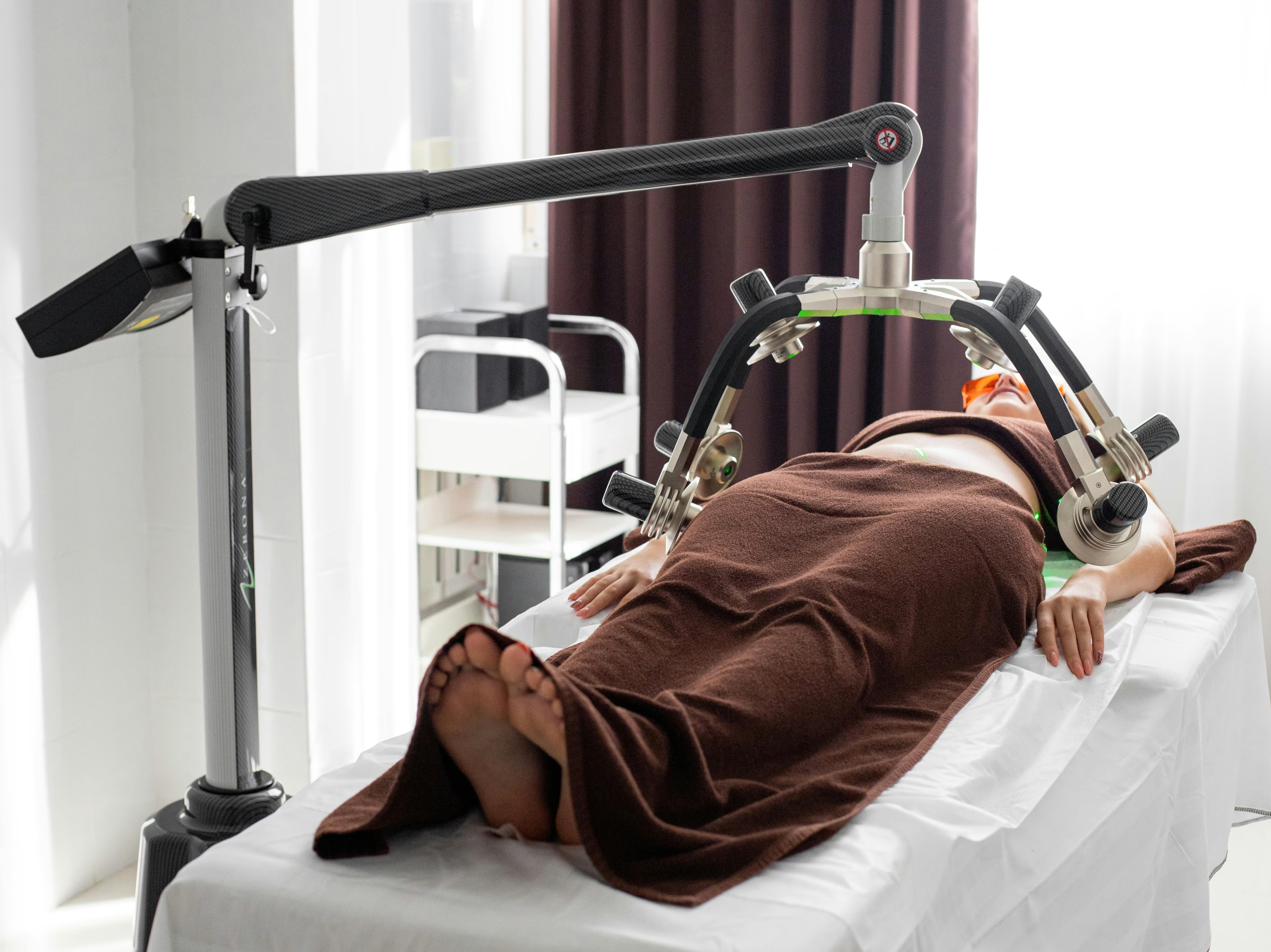
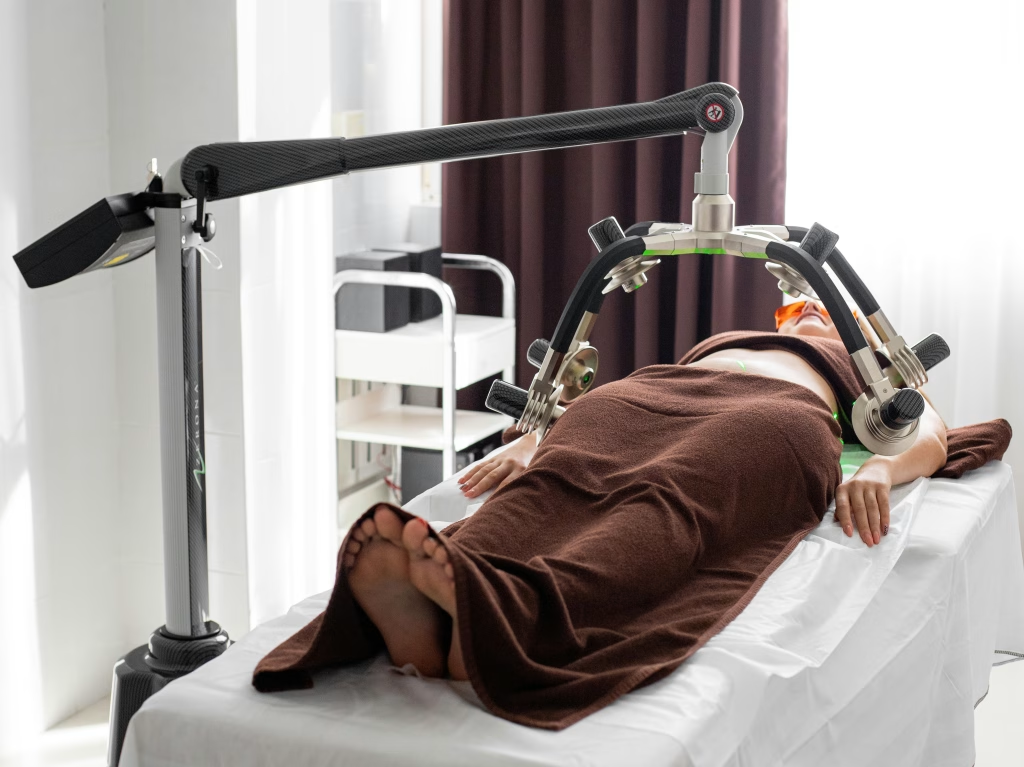
Now, about cellulite laser treatment. This isn’t a cream or a massage that just smooths things out for a day or two. Laser treatment goes deeper. It’s minimally invasive, using focused laser energy under your skin to do a few things at once: it loosens those tough bands pulling your skin down, melts some fat, and wakes up your skin’s collagen-making engines. Afterward, skin feels smoother, firmer, and more even—and the results actually last.
So how does it work? The laser sends heat under your skin. That heat breaks up fat cells, releases the bands tugging your skin into dimples, and makes your body create more collagen and elastin. Blood flow and lymph drainage improve, too. The big difference here is that laser therapy targets the root causes of cellulite, not just the surface.
There are a few types of laser treatments out there. Here’s a quick rundown:
1. Cellulaze™: This one’s pretty well-known. It’s best for moderate to severe cellulite, especially on thighs and butt. They insert a tiny laser fiber under your skin, release those fibrous bands, melt fat, and boost collagen. Usually, you only need one session, and the results stick around.
2. Nd:YAG Laser: This option goes deeper into your skin and tissues. It’s typically used for milder cellulite and also helps tighten skin. It’s non-invasive, has almost no downtime, and works for a variety of skin tones.
3. Radiofrequency-Assisted Lasers: These pair laser energy with radiofrequency (RF) to tackle early cellulite and skin laxity. It firms up the skin and ramps up collagen remodeling.
4. Fractional Laser Therapy: These lasers treat smaller patches of skin in a controlled pattern. They work best for mild cellulite with uneven texture. The main perks are better skin quality and more collagen.
Laser treatments for cellulite come with plenty of upsides —they actually target what causes those dimples, help smooth and firm your skin, and deliver results that last. Some options are non-invasive, so you don’t need to worry about much downtime. Most boost collagen and improve your skin’s elasticity, too.
Is it safe? When you go to someone who knows what they’re doing, yes. FDA-approved lasers have been tested thoroughly. Safety comes down to picking the right patient, using the right settings, keeping everything sterile, and following aftercare instructions.
Who’s a good candidate?
If you’ve tried diet and exercise and still see cellulite, you’re close to your goal weight, your skin has some snap left, and you’re generally healthy, you’ll likely do well. Just keep in mind—this isn’t for weight loss. It’s for smoothing and contouring.
Here’s what to expect:
Before: You’ll have a detailed consult, go over your health history, and maybe need to skip blood-thinners for a bit.
During: If it’s minimally invasive, you’ll get local anesthesia. You might feel some heat or pressure. The whole thing takes about 45 to 90 minutes.
After: You could see a little swelling or bruising. Sometimes you’ll wear compression garments. Improvement happens gradually over weeks or even months.
Downtime depends on the type. Non-invasive lasers? Pretty much no downtime. Minimally invasive ones like Cellulaze? Maybe two to seven days of recovery, but most people get back to normal life quickly.
How many sessions do you need?
With Cellulaze, often just one. Non-invasive lasers usually need three to six sessions, spaced out every week or so.
And the cost?
It varies, depending on where you are and who’s doing the treatment. Non-invasive sessions usually run between $250 and $600 each.
In short, if cellulite bothers you and you want something that actually works, laser treatments are worth looking into. Just make sure you see a reputable provider and go in with realistic expectations.