

The beauty and wellness industry remains in a state of continual transformation, regularly introducing innovative treatments drawing upon global traditions. Among these is the fish pedicure—also referred to as fish spa therapy. Unlike more conventional pedicures, which utilize mechanical tools, exfoliating scrubs, and topical creams, the fish pedicure involves submerging the feet in water populated by Garra Rufa fish. These small, toothless fish gently consume dead skin cells, resulting in noticeably softer and smoother feet.
This method of natural exfoliation extends beyond being a fleeting spa novelty. Many advocates highlight its purported health, cosmetic, and relaxation benefits, which have contributed to its widespread popularity. This comprehensive overview will examine the primary advantages of fish pedicures, their historical context, the mechanics behind the process, potential risks, recommended aftercare, and key considerations for those contemplating this unique therapy.
Table of Contents

What is a Fish Pedicure?
Alright, so here’s the lowdown on fish pedicures: You basically dunk your feet into this warm tank, and a bunch of tiny Garra Rufa fish (yeah, “doctor fish”—who comes up with these names?) swarm around and start munching on all your gross, dead skin. They’re not out to eat you alive or anything, just the flaky stuff. Honestly, it feels weirdly ticklish at first, but kinda nice once you get used to it. No blades, no scary metal files, none of that usual spa torture. The fish do all the heavy lifting—well, “lifting”—by just nibbling away, and people say it boosts blood flow and feels like a mini foot massage.
Now, for some history. Fish pedicures didn’t just pop up outta nowhere. They actually started in Turkey and the Middle East, where folks chilling in hot springs noticed these little fish snacking on their feet. Instead of freaking out, they realized, “Hey, my soles are baby soft!” Word got out, and before you know it, the whole thing spread—first through Asia (Japan and Thailand were all over that trend), then Europe, and yeah, even North America jumped on the bandwagon. Fast forward, and now you can find fish spas in all sorts of fancy resorts and wellness spots. Wild, right?
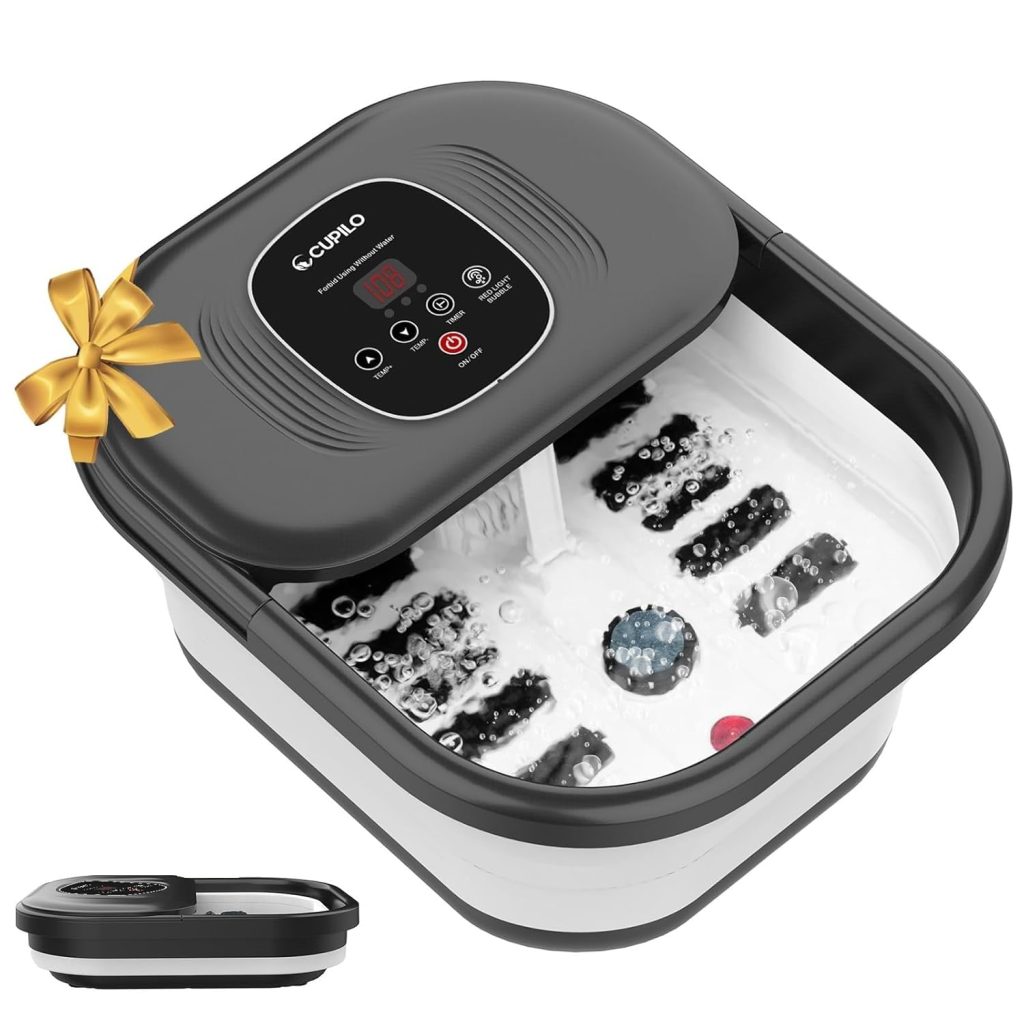
Collapsible Foot Spa Bath with Heat
Remote Control, Temperature Control, Bubbles, Pumice Stone, Red Light, Timer, 16 Massage Roller Pedicure Foot Spa Tub Foot Soaker for Soothe & Relax Tired Feet
Top Benefits of Fish Pedicure
1. Natural Exfoliation
Garra Rufa fish, often referred to as “doctor fish,” offer a unique form of organic exfoliation. They selectively consume dead skin cells, leaving healthy tissue unaffected. Unlike abrasive exfoliating tools, this method minimizes the risk of irritation and yields notably smooth skin.
— Effectively addresses dryness and flakiness
— Reduces calluses and heel fissures
— Results in softer, healthier feet
2. Enhanced Skin Smoothness
Participants commonly report a significant increase in skin smoothness post-treatment. This benefit is particularly pronounced among individuals frequently exposed to environmental stressors, such as those who walk barefoot or wear restrictive footwear.
— Prepares feet for open footwear
— Improves overall foot aesthetics
— Particularly advantageous prior to vacations or special events
3. Improved Peripheral Circulation
The microstimulation from the fish’s movements promotes blood flow in the feet and lower limbs. Enhanced circulation can have multiple physiological benefits, including:
— Decreased edema and fatigue
— Increased tissue oxygenation
— Potential reduction in varicosity and muscular cramps
4. Stress Reduction and Relaxation
The gentle sensation produced by the fish often induces a calming, massage-like effect. This procedure has been associated with:
— Alleviation of stress and anxiety
— Enhanced relaxation
— Improved sleep quality
Many report that the experience is both therapeutic and meditative in nature.
5. Support for Dermatological Conditions
Emerging research suggests potential benefits for individuals with conditions such as psoriasis and eczema. While not a substitute for medical treatment, fish pedicures may:
— Reduce scaling and dryness
— Improve skin texture
— Offer temporary relief from pruritus
It is essential to consult a qualified dermatologist before pursuing this therapy for chronic skin disorders.
6. Environmentally Sustainable Pedicure
Compared to traditional pedicures that may involve single-use implements and chemical exfoliants, fish pedicures represent an eco-friendly alternative. The process utilizes natural biological mechanisms for skin care.
7. Appropriate for Sensitive Skin
Individuals with sensitivities to chemical exfoliants may find fish pedicures especially suitable, as the process is non-chemical and minimally abrasive.
8. Reduction of Foot Odor
The removal of dead skin cells also helps mitigate foot odor by:
— Maintaining foot cleanliness
— Limiting bacterial proliferation
— Naturally controlling malodor
9. Improved Foot Hygiene
Routine treatments assist in maintaining optimal foot hygiene by:
— Clearing debris and detritus from superficial skin layers
— Minimizing fungal colonization
— Supporting overall skin integrity
10. Distinctive Spa Experience
Beyond therapeutic benefits, fish pedicures offer a singular and memorable spa encounter. The distinctive sensation and novelty of the procedure make it appealing for:
— Couples
— Tourists
— Individuals seeking innovative self-care experiences
In summary, fish pedicures provide a multifaceted approach to foot care, integrating natural exfoliation, relaxation, and sustainable practices.
Fish Pedicure vs Traditional Pedicure
| Feature | Fish Pedicure | Traditional Pedicure |
|---|---|---|
| Exfoliation | Natural by Garra Rufa fish | Manual with scrubs & tools |
| Relaxation | Gentle nibbling, massage-like | Manual massage |
| Hygiene | Depends on spa cleanliness | Depends on tools & products |
| Eco-friendliness | High (no chemicals) | Moderate |
| Skin Sensitivity | Suitable for sensitive skin | Sometimes harsh |
Frequently Asked Questions (FAQs)
1. Are fish pedicures painful?
No, fish pedicures are completely painless. Most people describe it as a ticklish or tingling sensation.
2. How long does a session last?
A typical fish pedicure session lasts 15 to 30 minutes.
3. How much does a fish pedicure cost?
Prices vary, but usually range between $20–$50 per session depending on location and spa quality.
4. Are fish pedicures safe?
Yes, when performed in a clean and hygienic spa, fish pedicures are generally safe.
5. Can fish pedicures cure psoriasis?
No, but they can help reduce symptoms by removing dead skin. Always consult your dermatologist before trying.
Conclusion
A fish pedicure is much more than just a spa trend—it’s a natural, relaxing, and effective way to exfoliate, improve circulation, reduce stress, and keep your feet soft and healthy. While there are certain risks, choosing a reputable spa and following safety precautions ensures a safe and enjoyable experience.
Whether you’re looking to pamper yourself, prepare for a special occasion, or simply enjoy a unique self-care therapy, a fish pedicure can be an excellent choice.