

Glutathione supplements have gained remarkable popularity in recent years, popping up in health food stores, pharmacies, and all over online marketplaces. More and more people are turning to these capsules and powders for a wide range of reasons, from boosting their body’s antioxidant defenses and supporting immune health to promoting a brighter complexion and aiding in detoxification. No matter your motivation—whether you’re hoping for clearer skin, better overall wellness, or simply want to keep up with the latest health trends—one question inevitably comes up: What does it actually Glutathione capsules price in USA?
- Understanding Glutathione Capsules
- Typical Price Range in the USA
- Comparison With Clinical Glutathione Pricing
- Key Factors Influencing Capsule Prices
- 1️⃣ Dosage Strength
- 2️⃣ Capsule Quantity
- 3️⃣ Ingredient Formulation
- 4️⃣ Brand Reputation
- 5️⃣ Import, Shipping & Retail Markups
- Community Pricing Insights (Consumer Perspective)
- Price vs Quality — How to Evaluate
To answer this, it’s important to look at the bigger picture. The price of Glutathione capsules price in USA can vary significantly, depending on factors such as the brand, the dosage per serving, the form (capsules, tablets, liquid, or even liposomal formulations), and whether the product contains any additional supporting ingredients like vitamin C or milk thistle. Basic glutathione capsules from generic brands may start as low as $10 to $15 for a month’s supply, while more premium or specialized formulas—especially those touting enhanced absorption or “bioavailability”—can run anywhere from $30 to $70 or more for the same period. Liposomal and sublingual glutathione, known for better absorption, often carry a higher price tag, reflecting their more complex manufacturing processes.
Brand reputation also plays a large role in pricing. Well-known supplement companies with a track record for quality and third-party testing often charge a premium, claiming their products are purer or more effective. Some brands are transparent about their sourcing and testing, which can offer peace of mind but also contribute to a higher cost. On the flip side, lesser-known or generic brands might offer more affordable options, but it’s essential to scrutinize their ingredient lists and look for certifications to ensure you’re not sacrificing quality for savings.
Another factor that can influence cost is the quantity you buy. Purchasing larger bottles or multi-month supplies can sometimes bring the per-dose price down, but it’s worth considering whether you’ll use the product consistently. Additionally, online retailers frequently offer discounts, subscription plans, or bundle deals that can make glutathione more accessible for long-term use.
When deciding which supplement to buy, it’s crucial to weigh not just the price, but what you’re actually getting for your money. Quality matters with glutathione—look for products that are clearly labeled, preferably with third-party testing for potency and purity. Customer reviews can be telling, especially about things like taste, ease of use, and perceived effectiveness. Don’t let flashy packaging or celebrity endorsements sway you; focus on the formulation, the science behind the product, and whether it meets your specific needs.
Ultimately, whether you’re researching glutathione for an article or considering taking it yourself, understanding the true cost goes beyond the sticker price. Take time to compare products, read reviews, and consider the value in terms of both quality and price. That way, you can make an informed choice that fits your health goals and your budget, ensuring you get real benefits without falling for empty marketing promises.
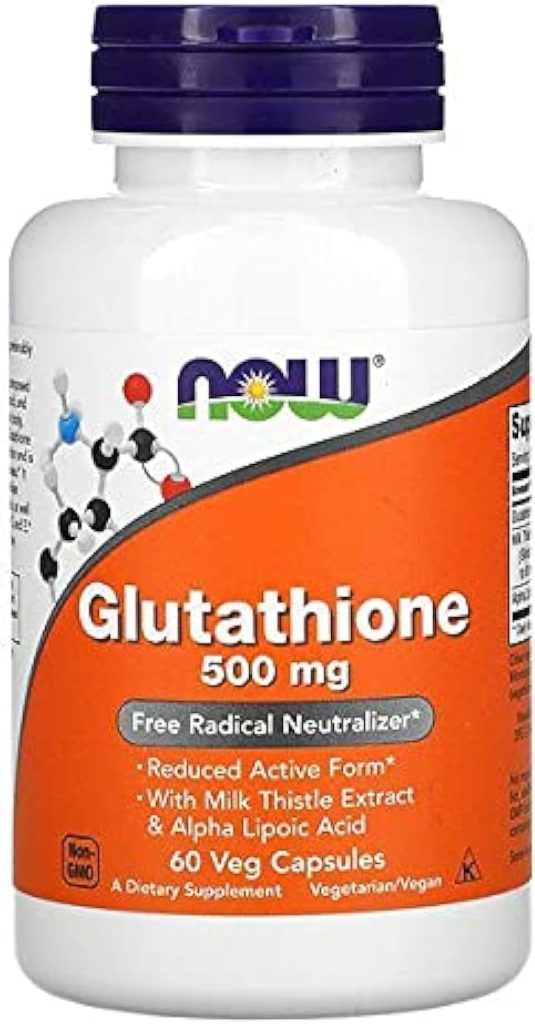
Now Foods - Glutathione Cellular Antioxidant 500 mg. - 60 Vegetarian Capsules
Brand NOW Foods Unit Count 60 Count Item Form Softgel Item Weight 0.08 Kilograms

Understanding Glutathione Capsules
Glutathione is a powerful antioxidant that your body naturally produces, playing a crucial role in maintaining overall health. As a key defender against oxidative stress, glutathione helps neutralize harmful free radicals that can damage cells and tissues. This protective function not only helps to slow down the aging process but also supports the immune system, ensuring it operates efficiently to ward off illness and infection. Additionally, glutathione is integral to the body’s detoxification processes, particularly in the liver, where it helps break down and eliminate toxins, heavy metals, and waste products. By supporting cellular health and regeneration, glutathione contributes to the proper functioning of virtually every organ system.
Because of these multifaceted benefits, people from various walks of life turn to glutathione supplements. Wellness enthusiasts often take it to enhance their overall vitality, while those interested in beauty use it for its reputed skin-brightening and anti-aging effects. Fitness aficionados may utilize glutathione to support muscle recovery and reduce exercise-induced fatigue, and many individuals seek it out to bolster their immune defenses or promote liver health. Its popularity has grown as more research highlights its potential in supporting a youthful appearance, boosting energy levels, and protecting against chronic diseases linked to oxidative stress.
When it comes to purchasing glutathione supplements, prices can vary widely based on several factors. The quality and source of the ingredients, the dosage per capsule, the presence of additional supportive nutrients, and the manufacturing process all influence cost. For instance, supplements that use patented or highly bioavailable forms of glutathione typically command higher prices. Imported products, especially those from reputable brands in countries like the US, often come with an added premium due to shipping, customs duties, and fluctuations in currency exchange rates.
Taking a practical example, a bottle containing 30 capsules, each with 500 mg of glutathione and imported from the United States, is priced around BDT 4,159. This cost reflects not only the quality of the supplement but also the expenses associated with bringing it into the country. While this price point is considered average for a mid-tier imported supplement, it underscores the importance of considering both the efficacy and affordability when choosing the right product. Ultimately, consumers are advised to weigh the benefits, consult with healthcare professionals, and select supplements that align with their specific health goals and budget.
Typical Price Range in the USA
Based on industry patterns and market listings:
| Category | Estimated Price Range |
|---|---|
| Budget brands | $15 — $25 per bottle |
| Mid-range brands | $25 — $45 |
| Premium or patented formulas | $45 — $80+ |
These ranges depend heavily on capsule count, potency, and absorption technology.
Comparison With Clinical Glutathione Pricing
For context, clinical glutathione treatments are significantly more expensive.
For example, IV glutathione doses may cost:
$125 for 600 mg
$190 for 1200 mg
$315 for 2400 mg
These figures illustrate why capsules are considered the economical alternative.
Key Factors Influencing Capsule Prices
1️⃣ Dosage Strength
Higher milligram content raises production cost and retail pricing.
2️⃣ Capsule Quantity
30 capsules → lower upfront cost
60–120 capsules → better value per dose
3️⃣ Ingredient Formulation
Different forms impact price:
Reduced glutathione
Liposomal versions
S-Acetyl forms (premium absorption)
Modified forms often cost more due to stability improvements.
4️⃣ Brand Reputation
Established brands price higher due to:
Quality control
Testing standards
Consumer trust
Community discussions often mention absorption differences between patented and non-patented forms, influencing perceived value.
5️⃣ Import, Shipping & Retail Markups
Imported supplements frequently cost more internationally due to logistics and customs charges.
Community Pricing Insights (Consumer Perspective)
Online user discussions sometimes reveal market expectations:
Some glutathione packs were available around $55 promotional pricing.
Another discussion suggests oral supplementation may be chosen to avoid spending heavily on alternative methods.
⚠️ These reflect opinions and experiences, not scientific pricing standards.
Price vs Quality — How to Evaluate
Look Beyond Cost
Cheap supplements may lack:
Transparency
Verified ingredients
Stability
Check Label Details
Evaluate:
Dosage clarity
Manufacturing origin
Third-party testing
Value Calculation Tip
Divide bottle price by number of doses to compare brands fairly.
Are Expensive Capsules Worth It?
Higher price may reflect:
Advanced delivery technology
Stability improvements
Premium sourcing
But expensive does not automatically equal superior results — effectiveness varies by individual response.
Buying Tips for USA Consumers
✔ Compare Retailers
Online platforms often run promotions.
✔ Watch Seasonal Sales
Supplement bundles and holiday discounts are common.
✔ Verify Authenticity
Avoid counterfeit or unverified sellers.
✔ Consider Subscription Discounts
Many retailers offer savings on recurring purchases.
Future Market Trends
The supplement market shows signs of:
Increasing demand
Innovation in delivery formats
Rising competition
These trends may stabilize or lower prices as more brands enter the space.
Final Thoughts
Glutathione capsule prices in the USA vary widely, typically falling between budget and premium ranges depending on quality, formulation, and brand positioning. Compared to clinical alternatives, capsules remain a cost-effective entry point into supplementation.
Understanding pricing factors helps buyers and content creators evaluate value more intelligently rather than focusing solely on cost.
Ultimately, smart purchasing decisions combine price awareness with ingredient quality assessment and realistic expectations.