

Melasma and dark spots—pretty much everyone deals with them at some point. Sun, hormones, leftover marks from breakouts, or just getting older, all these things can leave skin looking uneven. It’s frustrating. People try everything, from vitamin C serums to retinoids, hoping for a fix. Lately, though, more and more folks are talking about glutathione as the next big thing for brightening up those stubborn patches.
- What Is Melasma?
- How Glutathione Helps with Melasma and Dark Spots
- 1️⃣ Reduces Oxidative Stress
- 2️⃣ Influences Melanin Production
- 3️⃣ Supports Skin Repair
- Oral Supplements
- Liposomal Glutathione
- Injectable Glutathione
- Topical Glutathione
- How Long to See Results?
- Recommended Dosage
- Benefits of Glutathione for Melasma
- Risks and Side Effects
- Who Should Avoid Glutathione?
- Lifestyle Factors That Affect Results
- Natural Ways to Boost Glutathione
- Common Myths About Glutathione for Melasma
So, what’s the deal with glutathione for melasma and dark spots? Can it actually fade melasma and dark spots? How does it even work, and is it something you should try?
Let’s break it all down. Here’s what you need to know about using glutathione for uneven skin—how it works, what’s good about it, what to watch out for, and what results to expect. If you’re curious about this trending ingredient, you’re in the right place.

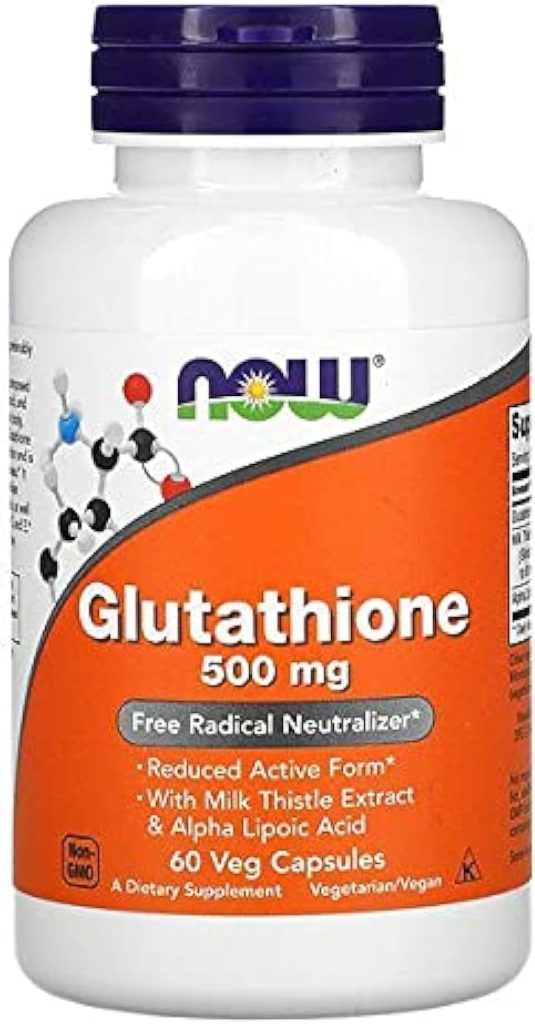
Now Foods - Glutathione Cellular Antioxidant 500 mg. - 60 Vegetarian Capsules
Brand NOW Foods Unit Count 60 Count Item Form Softgel Item Weight 0.08 Kilograms

What Is Melasma?
Melasma shows up as brown or grayish patches, usually on your cheeks, forehead, upper lip, chin, or nose. It’s pretty common and tends to appear because of things like sun exposure, hormonal changes, pregnancy, birth control, or even just your genetics. It’s not dangerous, but it can be really stubborn and tough to get rid of.
So, why do dark spots happen? Basically, it’s all about melanin — when your skin makes too much in one spot, you end up with those darker patches. This can happen after acne clears up, from too much sun, as you get older, with hormone shifts, or after your skin gets injured.
In the end, melasma and dark spots both come down to the same thing: extra melanin building up in certain areas.
How Glutathione Helps with Melasma and Dark Spots
1️⃣ Reduces Oxidative Stress
Every day, UV rays and pollution ramp up oxidative stress in your skin, which tells your body to pump out more melanin. Glutathione steps in as an antioxidant. It helps neutralize those free radicals, which can cool down the signal for excess melanin.
2️⃣ Influences Melanin Production
Glutathione also nudges your skin’s pigment production in a different direction. It can shift melanin towards lighter pigments by interacting with your melanocytes. Over time, this may fade things like melasma patches, sun spots, and stubborn post-acne marks.
3️⃣ Supports Skin Repair
By shielding your skin cells from damage, glutathione helps your complexion look clearer and more even. It’s not an instant fix, but with regular use, you’ll likely notice a difference in tone and clarity.
Forms of Glutathione for Treating Hyperpigmentation
Oral Supplements
You’ll find these as capsules, tablets, powders, or liquids.
Pros: Super easy to take, non-invasive, and good for long-term use.
Cons: Results come slowly, and how much your body absorbs can vary.
Liposomal Glutathione
Here, the glutathione is wrapped in fat molecules, which helps your body soak it up better.
Pros: Much better absorption, probably more effective.
Cons: Usually pricier.
Injectable Glutathione
Given by IV or injection under a doctor’s care.
Pros: Gets into your system quickly and absorbs well.
Cons: Expensive, requires a clinic visit, and there are some risks with the procedure.
Topical Glutathione
Found in creams and serums you put directly on your skin.
Pros: Simple to add to your routine, targets specific spots.
Cons: Doesn’t always penetrate deeply, so results can be mild.
How Long to See Results?
Don’t expect miracles overnight. Here’s a rough idea of what to expect:
4–6 weeks: You might notice a bit more brightness.
8–12 weeks: Your skin tone should look more balanced.
3–6 months: Pigmentation fades more noticeably—if you stick with it.
Results depend on your skin type, how bad the melasma is, sun exposure, your dosage, and what else you’re using in your routine.
Recommended Dosage
For oral supplements, most people start with 250–500 mg a day. Some go up to 500–1000 mg, but it’s best to do that under medical advice. Injections? Only let a licensed pro decide the dose and frequency. Always check with your doctor before you start taking glutathione.
Combining Glutathione with Other Treatments
Glutathione works better when paired with:
Vitamin C — boosts antioxidants and makes glutathione more effective.
Sunscreen — you still need SPF every single day to keep pigmentation from getting worse.
Retinoids — speed up skin cell turnover.
Niacinamide — helps your skin barrier and tone.
Chemical peels or lasers — sometimes, your dermatologist will add these for a bigger boost.
Benefits of Glutathione for Melasma
✔ Gradual skin brightening — your skin looks more radiant.
✔ More even skin tone — dark patches fade into the background.
✔ Antioxidant protection — shields from sun and pollution.
✔ Potential anti-aging effects — overall, skin looks fresher and healthier.
Risks and Side Effects
When used responsibly, glutathione is usually safe. But watch out for:
Mild stomach upset (from oral forms)
Injection site irritation
Rare allergic reactions
Headaches
Too much or improper use bumps up the risk, especially with injections. Only get injections from a professional.
Who Should Avoid Glutathione?
Talk to your doctor if you’re pregnant, breastfeeding, have chronic health issues, take medication, or react badly to supplements. Safe use matters.
Lifestyle Factors That Affect Results
Glutathione won’t erase melasma if you ignore the basics.
Sun Exposure — UV rays make pigmentation worse. Sunscreen every day is a must.
Stress — ramps up oxidative damage.
Sleep — your skin repairs itself when you rest.
Diet — foods rich in antioxidants help your body make more glutathione.
Natural Ways to Boost Glutathione
You can help your body out by eating more spinach, avocado, broccoli, and garlic. Regular exercise and staying hydrated also help keep your natural glutathione levels up. These habits work hand-in-hand with supplements.
Common Myths About Glutathione for Melasma
❌ It changes your skin color forever — it doesn’t. Glutathione just evens out your tone, it won’t rewrite your genetics.
❌ You’ll see instant results — real improvements take time and consistency.
❌ It replaces sunscreen — no way. You still need sun protection.
Frequently Asked Questions
Can glutathione completely cure melasma?
Melasma tends to stick around. Glutathione can help fade it, but don’t expect it to vanish forever.
Oral or injectable — which is better?
Injectables work faster but come with more risks. Oral forms are safer for long-term use.
Can men use glutathione for dark spots?
Absolutely. Melasma and pigmentation aren’t just women’s issues.
Will results last if I stop taking it?
You’ll likely need to keep up some form of maintenance, or the improvements might fade.
Expert Tips for Best Results
Start low and slow with the dose.
Never skip sunscreen — SPF 30 or higher, every day.
Take vitamin C along with glutathione.
Drink plenty of water.
Stick with your routine and be patient.
Avoid unlicensed injection clinics. Your safety comes first.