

Lately, glutathione has been everywhere—people can’t stop talking about it when it comes to Glutathione for skin whitening. You see celebrities raving about it, skincare influencers dropping tips, and the internet buzzing with talk of this antioxidant promising brighter, lighter, more even skin.
- How Does it work Glutathione for Skin Whitening?
- How Long Does It Take to See Results?
- Is Glutathione Safe?
- Who Should Avoid Glutathione?
- Natural Ways to Increase Glutathione Levels
- Myths About Glutathione for Skin Whitening
- Realistic Expectations from Glutathione
- Oral vs Injection: Which Is Better?
- Does Science Support Glutathione for Whitening?
- How to Use Glutathione Correctly
- Common FAQs
- Is glutathione permanent for skin whitening?
- Can men use glutathione?
- Can I use glutathione with skincare products?
- Is glutathione FDA approved?
- Final Verdict: Is Glutathione Worth It?
But here’s the thing: Does glutathione actually deliver on all that hype? Is it safe to use? And if you try it, how long before you notice any changes?
Table of Contents
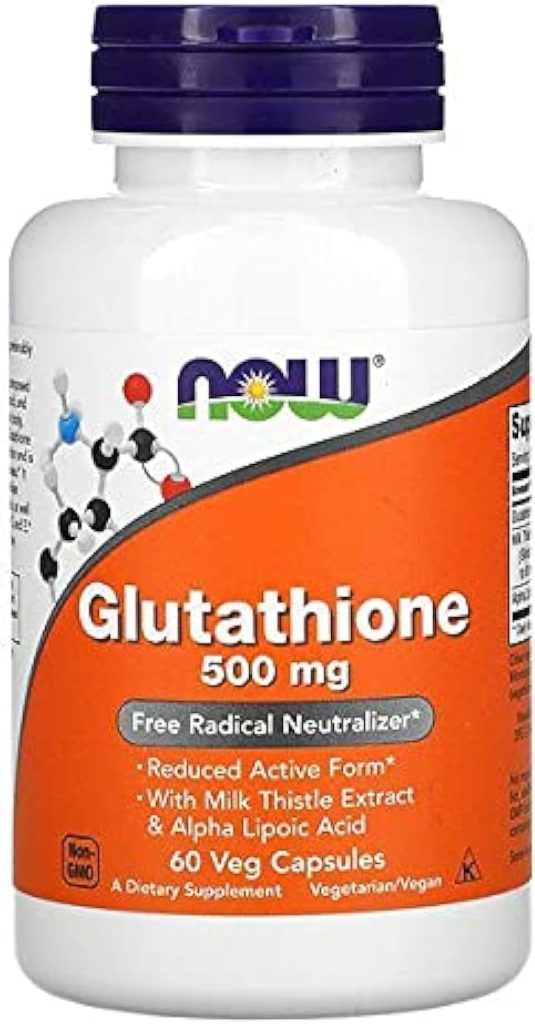
Now Foods - Glutathione Cellular Antioxidant 500 mg. - 60 Vegetarian Capsules
Brand NOW Foods Unit Count 60 Count Item Form Softgel Item Weight 0.08 Kilograms


How Does it work Glutathione for Skin Whitening?
Your skin color? It mostly comes down to melanin, a pigment your skin cells make. There are two main types: eumelanin, which is dark brown or black, and pheomelanin, which looks more yellow or red.
Glutathione steps in with a few tricks:
First, it slows down tyrosinase, an enzyme that drives melanin production. Less tyrosinase means less dark pigment.
Then, it actually shifts the balance from eumelanin (the darker type) to pheomelanin (the lighter one), so your skin looks brighter.
Glutathione also fights off free radicals—the stuff that makes your skin look dull or spotty—by neutralizing them.
And because it helps detox your body, that sometimes shows up as clearer, more radiant skin.
What does all this mean for your skin? Let’s break it down:
1. Skin Whitening and Brightening
A lot of people use glutathione because they want a lighter, brighter complexion.
2. Fades Hyperpigmentation
It helps fade dark spots, acne scars, melasma, and sun damage.
3. Anti-Aging
Glutathione can soften fine lines, boost skin elasticity, and give you a more youthful glow.
4. Clears Acne and Blemishes
By detoxing and calming down inflammation, it helps with acne-prone skin.
5. Better Skin Texture
Your skin can end up smoother, more even, and just healthier overall.
Now, if you’re thinking about trying glutathione for skin brightening, here’s what’s out there:
1. Oral Supplements (Capsules/Tablets)
These are the go-to for most people. They’re easy, pretty affordable, and safe for long-term use. The downside? They take a while to kick in.
2. Glutathione Injections (IV)
This method goes straight into your bloodstream, so results show up faster. But it costs a lot, there’s a higher risk of side effects, and it’s not FDA-approved for whitening.
3. Topical Creams and Serums
You apply these right where you want results. They’re good for targeting specific spots, but your skin doesn’t absorb much, so the effects are usually mild.
As for dosage, most people take between 500 and 1000 mg of oral glutathione a day. For the best results, experts often suggest pairing it with Vitamin C (500–1000 mg), alpha lipoic acid, or collagen. These boost absorption and make glutathione work even better.
How Long Does It Take to See Results?
Results depend on:
- Skin
- type
- Dosage Lifestyle
- Diet
Typical Timeline:
| Time | Visible Changes |
|---|---|
| 2–4 weeks | Brighter glow |
| 1–2 months | Reduced pigmentation |
| 3–6 months | Noticeable skin lightening |
Is Glutathione Safe?
Generally Safe When:
Taken orally
Used within recommended dose
Combined with healthy lifestyle
Possible Side Effects:
Bloating
Mild stomach upset
Headache
Allergic reactions (rare)
Risky When:
Used in high-dose injections
Purchased from unverified sources
Taken without medical supervision
Who Should Avoid Glutathione?
Glutathione may not be suitable for:
Pregnant or breastfeeding women
Asthma patients
People with kidney or liver disease
Those undergoing chemotherapy
Always consult a doctor before starting.
Natural Ways to Increase Glutathione Levels
You can boost glutathione naturally through diet:
Foods Rich in Glutathione:
Avocado
Spinach
Broccoli
Asparagus
Garlic
Walnuts
Lifestyle Tips:
Regular exercise
Adequate sleep
Drinking plenty of water
Avoid smoking and alcohol
Myths About Glutathione for Skin Whitening
Myth 1: Glutathione Changes Your DNA
False. It only affects melanin production, not genetics.
Myth 2: Results Are Permanent
False. Skin tone may return if supplementation stops.
Myth 3: More Is Better
Dangerous. Overuse can harm organs.
Realistic Expectations from Glutathione
Glutathione does NOT:
Make you unnaturally white
Change your race or ethnicity
Work overnight
It enhances your natural skin tone, making it clearer and brighter.
Oral vs Injection: Which Is Better?
| Method | Safety | Cost | Results |
|---|---|---|---|
| Oral | High | Low | Moderate |
| Injection | Medium | High | Fast |
Best choice: Oral supplements with Vitamin C.
Does Science Support Glutathione for Whitening?
Several studies show that oral glutathione:
Reduces melanin index
Improves skin elasticity
Enhances brightness
However, most experts agree it works best as part of a complete skincare routine, not as a miracle pill.
How to Use Glutathione Correctly
Take on empty stomach
Combine with Vitamin C
Use sunscreen daily
Stay hydrated
Maintain healthy diet
Common FAQs
Is glutathione permanent for skin whitening?
No, results are semi-permanent and require maintenance.
Can men use glutathione?
Yes, it works for both men and women.
Can I use glutathione with skincare products?
Yes, especially with:
Niacinamide
Vitamin C serum
Sunscreen
Is glutathione FDA approved?
Not approved specifically for whitening, but approved as antioxidant therapy.
Final Verdict: Is Glutathione Worth It?
Yes – if used correctly and safely.
Glutathione is not magic, but it is one of the most effective and scientifically supported options for:
Skin brightening
Hyperpigmentation
Anti-aging
Overall skin health
When combined with:
Proper dosage
Healthy diet
Sun protection
It delivers visible and satisfying results.