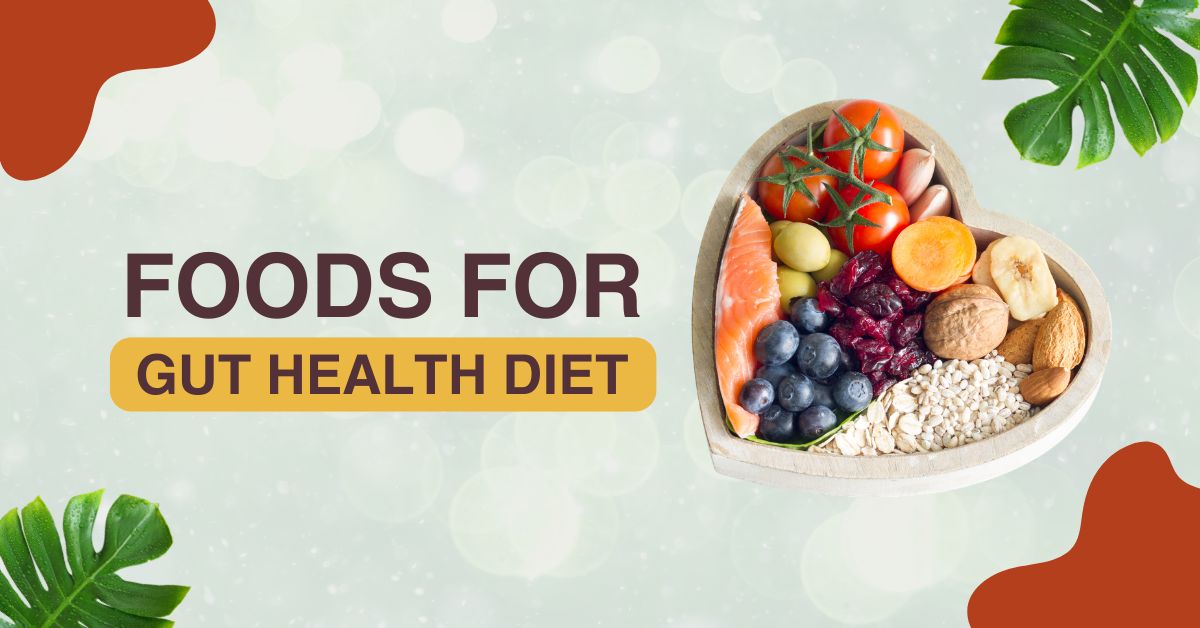
If you’re planning for digestion, your gut has a huge impact on your immune functions, mental well-being, energy level, skin quality, and even how you maintain your weight. A gut Health diet will enable your body to more readily utilize the nutrients in the foods you consume while decreasing inflammation and improving overall health.
More people than ever before are suffering from digestive disorders due to their increased consumption of processed foods, stress, poor sleep habits, and unhealthy eating habits, but the good news is that a gut health diet can help return balance to your body and improve your digestive health naturally.
Table of Contents
Signs of Poor Gut Health
Many people realize the early signs of unhealthy gut health. Common warning signs are below:
- Digestive Issues
- Bloating
- Excessive gas
- Constipation
- Diarrhea
- Acid reflux
Low levels of energy, fatigue, and weakness as a result of bad gut health.
Frequent illness
Approximately 70% of our immune system is made up of gut-related factors. If your gut is not healthy, then your immune system will not be strong.
Skin Problems
Skin problems include acne, eczema, and inflammation, which can result from an imbalance in your gut health diet.
Emotional changes
The gut and brain are closely connected. If the gut is not healthy it may also lead to increased stress, anxiety, and mood swings.
Best Foods for Gut Health
Choosing the right foods is the foundation of a healthy gut diet.
right foods to eat to maintain a healthy gut Having a proper balance of Probiotics is very important for your gut health. Probiotics are integral to your good gut health.
Food examples that contain Probiotics:
Yogurt: Which help to boost your gut health diet naturally
Fermented Foods
Examples: Kimchi, Sauerkraut, Kefir, Pickles and Miso.
Fiber-Rich Foods
Examples: Oats, Apples, Bananas, Beans, Lentils, Broccoli.
Fresh Fruits & Vegetables
Examples: Berries, Spinach, Carrots, Garlic, Onions and Avocados.
Whole Grains
Examples: Brown Rice, Quinoa, Whole Wheat and Barley.
Healthy Fats
Examples: Olive Oil, Nuts, Seeds, Fatty Fish and Chia Seeds.
Bone Broth
Bone broth contains Amino Acids and Collagen which are helpful in supporting your Gut.
Foods to Avoid for Better Gut Health
Various types of food can adversely affect the bacteria in your gastrointestinal tract and lead to inflammation in the body.
Processed Foods – Foods that contain preservatives and unhealthy fats as well as an array of artificial ingredients fall into this category.
High Sugar – High sugar consumption can feed the harmful bacteria and yeast those live in the stomach, which are very dangerous for our gut.
Fried Foods – Fried foods affect digestion and create inflammation within the body.
Artificial Sweeteners – Some artificial sweeteners have been shown to have a negative impact on gut bacteria.
Too Much Alcohol—Excessive alcohol consumption has the potential to cause irritation within the digestive system and cause an imbalance between the bacteria found within your intestines.
Simple Gut Health Diet Plan – CareYourLifes
Here is a straightforward one-day meal plan to improve gut health.
Here is a simple one-day meal plan for better gut health.
Breakfast
- Oatmeal with banana and chia seeds
- Plain yogurt
- Green tea
Snack
- Apple slices with almonds
Lunch
- Grilled chicken or fish
- Brown rice
- Mixed vegetables
Snack
- Kefir or probiotic yogurt
Dinner
- Vegetable soup
- Quinoa
- Salad with olive oil dressing
Before Bed
Herbal tea.
Common Myths About Gut Health
Myth 1: All Bacteria Are Bad
Many bacteria are essential for health and digestion.
Myth 2: Detox Teas Heal the Gut
Most detox products are unnecessary. A healthy diet works better long term.
Myth 3: Supplements Alone Can Fix Gut Health
Supplements may help, but healthy eating habits are more important.