Getting a new kitten for your family can be a fun experience. You will likely enjoy watching them play, explore and keep you entertained, making them a great addition to people’s homes as pets with many differences from each other. However, you must train your new kitten to be an acceptable companion for kids (both young and old) and others.
Many people believe that cats cannot be trained! In reality, your new kitten has an extremely high level of intelligence, and it is very capable of learning all sorts of behaviors with positive reinforcement from you being consistent in providing a positive experience for them. Also, the sooner you start to train your kitten, the easier it will be to form lifelong habits of good behavior in them.
Whether you just adopted your first kitten or want to get better at training cats that you have previously adopted, this resource will provide you with everything you need to know about training your kitten. You will learn ways to get your kitten comfortable when using the litter box, training them not to scratch furniture/people, socialize with humans and other animals, and learn basic commands to help them develop an overall sense of being healthy and able to be good companions for humans.
Table of Contents
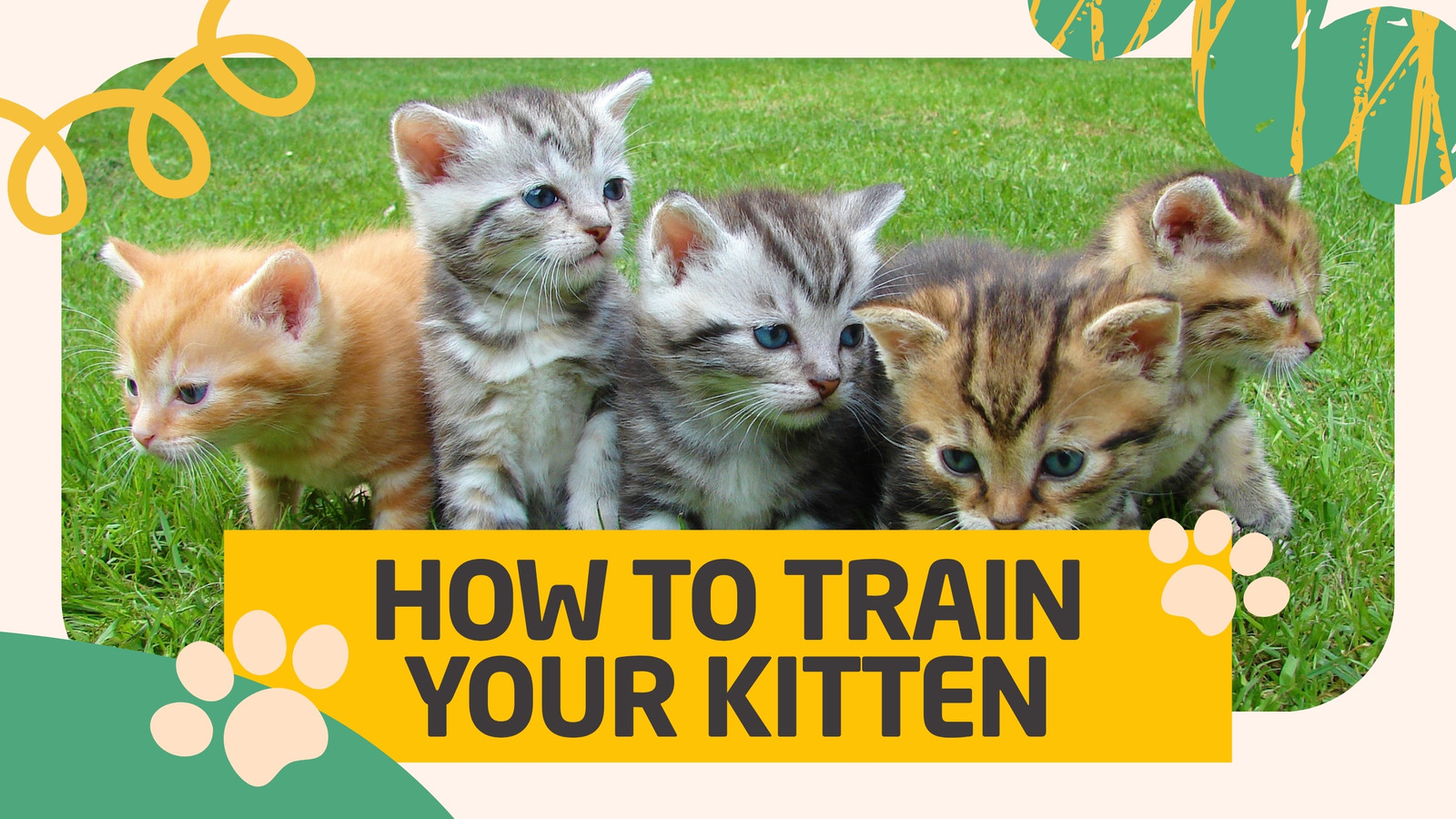
Why Kitten Training Is Important
Training is not just about teaching tricks. It helps kittens understand household rules, develop confidence, and build a stronger bond with their owners.
Benefits of Training a Kitten
- Encourages good behavior
- Prevents destructive habits
- Improves communication
- Reduces stress and anxiety
- Strengthens the human-cat bond
- Makes veterinary visits easier
- Promotes mental stimulation
Early training provides a foundation for a lifetime of positive behavior.
When Should You Start Training a Kitten?
The best time to begin training is as soon as your kitten arrives home.
Most kittens are ready for basic training between:
- 8 weeks old
- 12 weeks old
At this age, kittens are highly curious and learn quickly through repetition and rewards.
Understanding Kitten Behavior
Before training begins, it’s important to understand why kittens behave the way they do.
Natural Instincts
Kittens naturally:
- Scratch surfaces
- Climb furniture
- Chase moving objects
- Explore new spaces
- Hunt and pounce
These behaviors are normal and should be redirected rather than punished.
Attention Span
Young kittens have short attention spans.
Training sessions should typically last:
- 5–10 minutes
- Several times per day
Short sessions keep learning fun and effective.
Preparing Your Home for Training
A kitten-friendly environment makes training easier.
Essential Supplies
Litter Box
Choose a low-sided litter box that’s easy for your kitten to access.
Scratching Post
Provide multiple scratching surfaces around your home.
Food and Water Bowls
Place them in a quiet area away from the litter box.
Interactive Toys
Toys help redirect energy and encourage positive behavior.
Treats
Small treats are useful rewards during training.
Litter Box Training a Kitten
Litter box training is often the first and most important lesson.
Why Most Kittens Learn Quickly
Cats naturally prefer burying their waste, making litter training easier than many other forms of pet training.
Steps for Success
1. Choose the Right Litter Box
Select a box that’s easy for your kitten to enter and exit.
2. Place It in a Quiet Location
Avoid noisy or high-traffic areas.
3. Introduce the Litter Box
Place your kitten in the box after meals and naps.
4. Reward Success
Praise or reward your kitten immediately after proper use.
5. Clean Regularly
Cats prefer clean litter boxes.
Common Mistakes
- Using scented litter
- Moving the box frequently
- Punishing accidents
Patience and consistency are key.
Teaching Your Kitten Not to Scratch Furniture
Scratching is a natural behavior that helps cats:
- Mark territory
- Stretch muscles
- Maintain healthy claws
The goal isn’t to stop scratching but to redirect it.
Provide Scratching Posts
Offer vertical and horizontal scratching surfaces.
Use Positive Reinforcement
Reward your kitten whenever they use the scratching post.
Make Furniture Less Attractive
Temporary deterrents such as double-sided tape may help discourage unwanted scratching.
Socializing Your Kitten
Socialization teaches kittens how to interact confidently with people, pets, and new environments.
Why Socialization Matters
Well-socialized cats are typically:
- More confident
- Less fearful
- Easier to handle
- Better with guests
Introduce New Experiences Gradually
Expose your kitten to:
- Different people
- Household sounds
- New rooms
- Safe visitors
Positive experiences build confidence.
Teaching Your Kitten Basic Commands
Many people are surprised to learn that cats can learn commands.
Teaching “Come”
Step 1
Call your kitten by name.
Step 2
Offer a treat when they approach.
Step 3
Repeat consistently.
Most kittens quickly associate coming when called with rewards.
Teaching “Sit”
Step 1
Hold a treat above your kitten’s head.
Step 2
Wait until they naturally sit.
Step 3
Reward immediately.
Consistency helps reinforce the behavior.
How to Stop Biting and Nipping
Kittens often bite during play.
Why Kittens Bite
- Teething
- Overstimulation
- Play behavior
- Hunting instincts
Training Solutions
Redirect to Toys
Offer a toy whenever biting begins.
End Play Briefly
If biting continues, stop interacting for a short period.
Never Use Hands as Toys
This teaches kittens that hands are acceptable play targets.
Preventing Unwanted Jumping
Kittens love climbing and exploring elevated spaces.
Provide Alternatives
Offer:
- Cat trees
- Shelves
- Window perches
Reward Desired Behavior
Encourage use of approved climbing areas.
Carrier Training Your Kitten
A comfortable carrier reduces stress during travel and veterinary visits.
Steps
Leave the Carrier Open
Allow your kitten to explore it voluntarily.
Add Comfortable Bedding
Create a welcoming environment.
Use Treats
Reward exploration and entry.
Practice Short Trips
Gradually increase travel duration.
Teaching Your Kitten to Enjoy Grooming
Regular grooming supports health and makes future care easier.
Introduce Grooming Early
Begin brushing sessions while your kitten is young.
Keep Sessions Short
Short, positive experiences help build trust.
Reward Cooperation
Treats and praise encourage acceptance.
Positive Reinforcement: The Secret to Successful Training
Positive reinforcement is one of the most effective training methods.
Examples of Rewards
- Treats
- Praise
- Playtime
- Petting
Why It Works
Rewards encourage kittens to repeat desired behaviors.
What Not to Do When Training a Kitten
Avoid common mistakes that can damage trust.
Do Not Punish
Physical punishment creates fear and confusion.
Do Not Yell
Loud reactions may frighten your kitten.
Do Not Expect Immediate Results
Learning takes time and repetition.
Do Not Compare Kittens
Every kitten develops at its own pace.
Common Kitten Behavior Problems
Excessive Meowing
Possible causes include:
- Hunger
- Attention seeking
- Stress
Nighttime Activity
Kittens are naturally energetic.
Interactive play before bedtime may help.
Chewing Objects
Provide safe chew toys and kitten-proof your home.
Creating a Daily Training Routine
Consistency is critical for success.
Morning
- Feeding
- Litter box check
- Short training session
Afternoon
- Playtime
- Socialization exercises
Evening
- Interactive games
- Grooming practice
- Reinforcement training
A predictable routine helps kittens feel secure.
Frequently Asked Questions
Can Cats Really Be Trained?
Yes. Cats are intelligent animals capable of learning commands, routines, and household rules.
How Long Does Kitten Training Take?
Basic habits often develop within weeks, while advanced behaviors may take several months.
What Is the Best Age to Train a Kitten?
Training can begin as early as 8 weeks old.
Should I Use Treats?
Yes. Treats are highly effective when used appropriately.
How Often Should I Train My Kitten?
Several short sessions each day are more effective than one long session.
Signs Your Kitten Is Learning
Look for these positive indicators:
- Responds to their name
- Uses the litter box consistently
- Scratches approved surfaces
- Comes when called
- Shows confidence around people
These signs suggest training is progressing successfully.
Benefits of a Well-Trained Cat
Training provides lifelong advantages.
Better Behavior
Trained cats are easier to manage.
Reduced Stress
Clear expectations create confidence.
Stronger Bond
Training strengthens trust between cat and owner.
Easier Veterinary Care
Handling and transportation become less stressful.
Improved Safety
Commands and routines help protect your cat from dangerous situations.
Conclusion
Training a kitten is one of the most rewarding parts of pet ownership. By starting early, remaining consistent, and using positive reinforcement, you can teach your kitten essential skills that promote confidence, safety, and good behavior.
From litter box training and scratching management to socialization and basic commands, every lesson helps build a stronger relationship between you and your feline companion. Remember that patience is essential. Kittens learn best when training is positive, enjoyable, and tailored to their natural instincts.
With the right approach, your playful kitten can grow into a happy, well-adjusted, and well-behaved adult cat that brings years of companionship and joy.