
Rosacea Laser Treatment messes with way more people than you’d think. It shows up as redness, visible veins, sudden flushing, and sometimes those stubborn bumps that look a lot like acne. Living with it isn’t just about dealing with the physical symptoms—it can really shake your confidence and mess with your day-to-day life. There’s no magic fix yet, but laser treatment for rosacea has become a go-to for cutting down on redness and making those veins less obvious.
- What Is Laser Treatment For Rosacea?
- Why Laser Treatment Works for Rosacea
- How Laser Treatment for Rosacea Actually Works
- Why People Love Laser Therapy
- 2. Intense Pulsed Light (IPL)
- 3. Nd:YAG Laser
- 4. KTP Laser
- What you can expect:
- Is Laser Treatment for Rosacea Safe?
- Laser Treatment vs Medication for Rosacea
- Pre-Treatment Preparation Tips
- Aftercare Tips for Laser Rosacea Treatment
- How Long Do Results Last?
- Can Laser Treatment Cure Rosacea Permanently?
- Frequently Asked Questions (FAQs)
- Does laser treatment hurt?
- Can rosacea come back after laser treatment?
- Is laser treatment safe for sensitive skin?
- How many sessions do I need?
- Laser Treatment for Rosacea: Pros and Cons
- Final Verdict: Is Laser Treatment for Rosacea Worth It?
This guide breaks down what laser treatment for rosacea actually involves. I’ll walk you through how it works, which lasers get the best results, what you can expect to pay, possible risks, what kind of results people see, and whether it’s really worth your time and money.
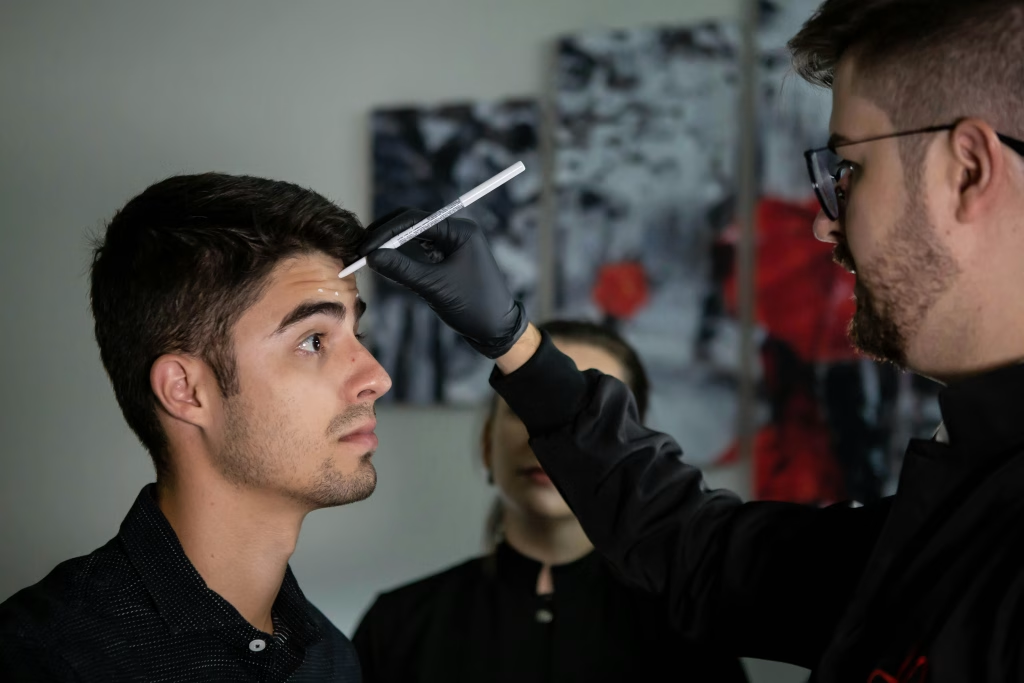
Table of Contents

What Is Laser Treatment For Rosacea?
Rosacea sticks around for the long haul. It mainly shows up on your face—think cheeks, nose, forehead, and chin. At first, you’ll probably notice you flush a lot, but then that redness just settles in and doesn’t really go away. You might see tiny blood vessels pop up too.
Here’s what people with rosacea usually deal with:
– Redness that just won’t quit
– Flushing or blushing easily
– Little blood vessels you can actually see
– Skin that burns or stings
– Bumps that look a lot like acne
– Skin on the nose that gets thicker
– Eyes that feel irritated or look red
If you ignore it, rosacea just gets worse. That’s why catching it early and dealing with it helps a lot.
Why Laser Treatment Works for Rosacea
Creams and pills can help calm inflammation, but let’s be real—they don’t do much for that stubborn redness or those tiny, broken blood vessels. That’s where laser therapy really shines.
Lasers go straight to the source. They zero in on those pesky blood vessels causing all the redness, while leaving the rest of your skin alone. Once those vessels collapse, the redness, flushing, and visible veins start to fade.
How Laser Treatment for Rosacea Actually Works
The laser gives off a focused beam of light, which the red pigment in your blood (hemoglobin) soaks up. That light turns into heat, destroying the unwanted blood vessels. Your body then absorbs what’s left—no drama, just clearer skin over time.
Why People Love Laser Therapy
- It tackles redness right at the source
- Super precise, no cutting or needles
- Little to no downtime
- Results stick around
- Skin ends up looking smoother and more even
- Different Types of Lasers for Rosacea
- Not all lasers are the same, and which one you need depends on how severe your rosacea is, your skin type, and what you want from the treatment.
1. Pulsed Dye Laser (PDL)
Best for: Constant redness and obvious blood vessels
This one’s the classic. PDL sends out bursts of light that target blood vessels without hurting nearby skin.
Why people like it:
- Works really well for redness
- Safe for almost all skin types
- Lots of research backing it up
Downsides:
You might see some bruising
A little swelling after treatment
2. Intense Pulsed Light (IPL)
Best for: Mild to moderate cases
It’s not technically a laser, but IPL uses strong light to fight redness and flushing.
Why people like it:
Covers big areas fast
Can smooth out your skin texture
Quick recovery
Downsides:
You’ll probably need several sessions
Not as targeted as PDL
3. Nd:YAG Laser
Best for: Deep blood vessels and thicker skin
This one gets deeper into the skin, so it’s good for tough cases.
Why people like it:
- Great for stubborn blood vessels
- Works for darker skin tones
Downsides:
Treatment can sting a bit more
Usually costs more per session
4. KTP Laser
Best for: Surface-level redness
KTP is best for those tiny vessels right on the surface, especially on the face.
Laser Rosacea Results: Before and After
Most people see improvement after just one treatment, but you’ll usually need a series—think two to four sessions, spaced out every three to six weeks.
What you can expect:
- Less redness on your face
- Fewer visible blood vessels
- Flushing happens less often
- Skin looks and feels smoother
Results can last anywhere from six months to a few years. It really depends on your lifestyle, what triggers your rosacea, and how you care for your skin afterward.
How Much Does Laser Rosacea Treatment Cost?
Prices jump around depending on where you live, what clinic you choose, and the type of laser.
Here’s a rough idea per session:
- USA: $300–$700
- UK: £200–£500
- Australia: AUD 350–800
- Asia: $150–$400
Since you’ll probably need several sessions, most people end up spending between $900 and $2,500 total.
Heads up: Insurance rarely covers laser treatment for rosacea, since it’s seen as a cosmetic fix.
Is Laser Treatment for Rosacea Safe?
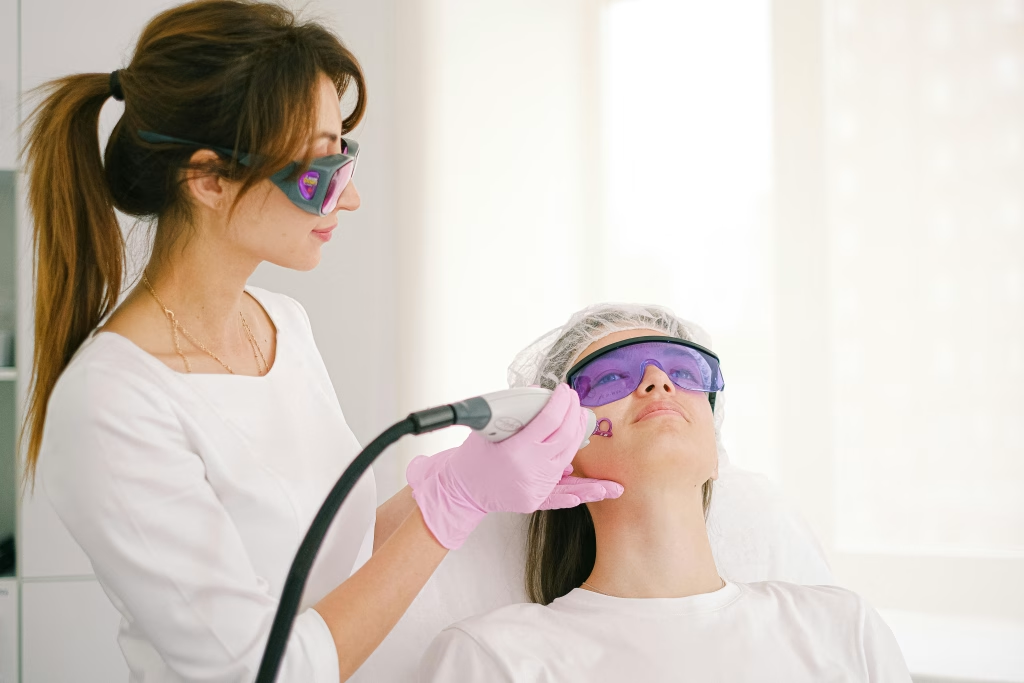
Yes, when a trained dermatologist or laser specialist handles it, laser treatment is FDA-approved and safe.
- Possible Side Effects
- Temporary redness
- Mild swelling
- A bit of bruising
- Sensitive skin for a day or two
- Serious issues are rare, especially if your provider knows what they’re doing and you follow aftercare instructions.
- Who’s a Good Fit for Laser Rosacea Treatment?
- You’re likely a good candidate if:
- Your face stays red no matter what
- You have visible capillaries that bother you
- Creams and gels just aren’t cutting it
- You’re generally healthy
Doctors don’t recommend laser treatment if you’re pregnant or have an active skin infection. For everyone else, it’s often a solid option for getting rosacea under control.
Laser Treatment vs Medication for Rosacea
| Treatment | Effectiveness | Downtime | Long-Term Results |
|---|---|---|---|
| Laser Therapy | High | Minimal | Long-lasting |
| Topical Creams | Moderate | None | Temporary |
| Oral Antibiotics | Moderate | None | Short-term |
Best approach: Combination therapy (laser + skincare + lifestyle management).
Pre-Treatment Preparation Tips
To ensure the best results:
Avoid sun exposure for 2 weeks
Stop retinoids and exfoliants
Avoid alcohol and spicy foods
Inform your provider about medications
Aftercare Tips for Laser Rosacea Treatment
Use gentle, fragrance-free skincare
Apply broad-spectrum sunscreen daily
Avoid heat, saunas, and exercise for 48 hours
Do not scrub or exfoliate treated skin
Proper aftercare significantly improves results and prevents flare-ups.
How Long Do Results Last?
While rosacea is chronic, laser treatment can keep symptoms under control for months or even years. Maintenance sessions once or twice a year are often recommended.
Can Laser Treatment Cure Rosacea Permanently?
Laser treatment does not cure rosacea, but it is one of the most effective ways to manage symptoms and improve appearance long-term. Lifestyle changes and trigger avoidance are essential for maintaining results.
Frequently Asked Questions (FAQs)
Does laser treatment hurt?
Most patients describe the sensation as a mild snapping or warmth. Cooling devices minimize discomfort.
Can rosacea come back after laser treatment?
Yes, rosacea can return over time, but flare-ups are usually milder.
Is laser treatment safe for sensitive skin?
Yes, when performed by experienced professionals using proper settings.
How many sessions do I need?
Typically 2–4 sessions, depending on severity.
Laser Treatment for Rosacea: Pros and Cons
Pros
Dramatic reduction in redness
Improves confidence
Minimal downtime
Long-lasting improvement
Cons
Costly
Not covered by insurance
Requires maintenance
Final Verdict: Is Laser Treatment for Rosacea Worth It?
If persistent redness and visible blood vessels affect your confidence, laser treatment for rosacea is absolutely worth considering. It offers faster, more noticeable results than creams alone and significantly improves skin tone and quality of life.
For best results, consult a board-certified dermatologist who can tailor the treatment to your skin type and rosacea severity.