

Toenail fungus, medically known as onychomycosis, is a common yet stubborn condition that affects millions of people worldwide. Thickened, yellow, brittle, or discolored toenails are not only unattractive but can also cause discomfort and pain if left untreated. While traditional treatments such as oral medications and topical antifungal creams exist, many patients now prefer laser treatment for toenail fungus due to its safety, effectiveness, and minimal side effects.
- What Is Toenail Fungus Laser Treatment (Onychomycosis)?
- What Is Laser Treatment for Toenail Fungus?
- Benefits of Laser Toenail Fungus Treatment
- Are There Any Side Effects?
- Who Is an Ideal Candidate for Laser Treatment?
- Laser Treatment for Toenail Fungus Cost
- What to Expect After Laser Treatment
- Preventing Toenail Fungus After Laser Treatment
- Laser Treatment for Toenail Fungus Before and After Results
- Frequently Asked Questions (FAQs)
- Is laser treatment painful?
- Can toenail fungus return after laser treatment?
- Is laser treatment FDA-approved?
- How long does it take to see results?
- Laser Treatment for Toenail Fungus: Pros and Cons
- Is Laser Treatment Worth It?
- Final Thoughts
In this in-depth guide, we will explore how laser treatment works, its success rate, cost, benefits, risks, and whether it’s worth it. If you are searching for a modern, non-invasive solution to nail fungus, this article will help you make an informed decision.
Table of Contents

What Is Toenail Fungus Laser Treatment (Onychomycosis)?
Toenail fungus creeps in when fungi get under your nail and settle into the nail bed. Usually, it starts as a tiny white or yellow spot, but before you know it, the color gets worse, the nail thickens, and the edges start to crumble.
So, what brings on toenail fungus? A bunch of things, really. Walking barefoot in public showers or around swimming pools is a big one. Tight shoes or shoes that don’t let your feet breathe can set you up for trouble. If you don’t keep your feet clean, that doesn’t help either. People with weaker immune systems, diabetes, or trouble with circulation are more likely to deal with it too. Even a small injury to your nail can open the door.
Treating toenail fungus isn’t easy. The fungus likes to hide deep under the nail, so putting creams or ointments on top doesn’t always get the job done. It takes patience and, honestly, a lot of persistence.
What Is Laser Treatment for Toenail Fungus?
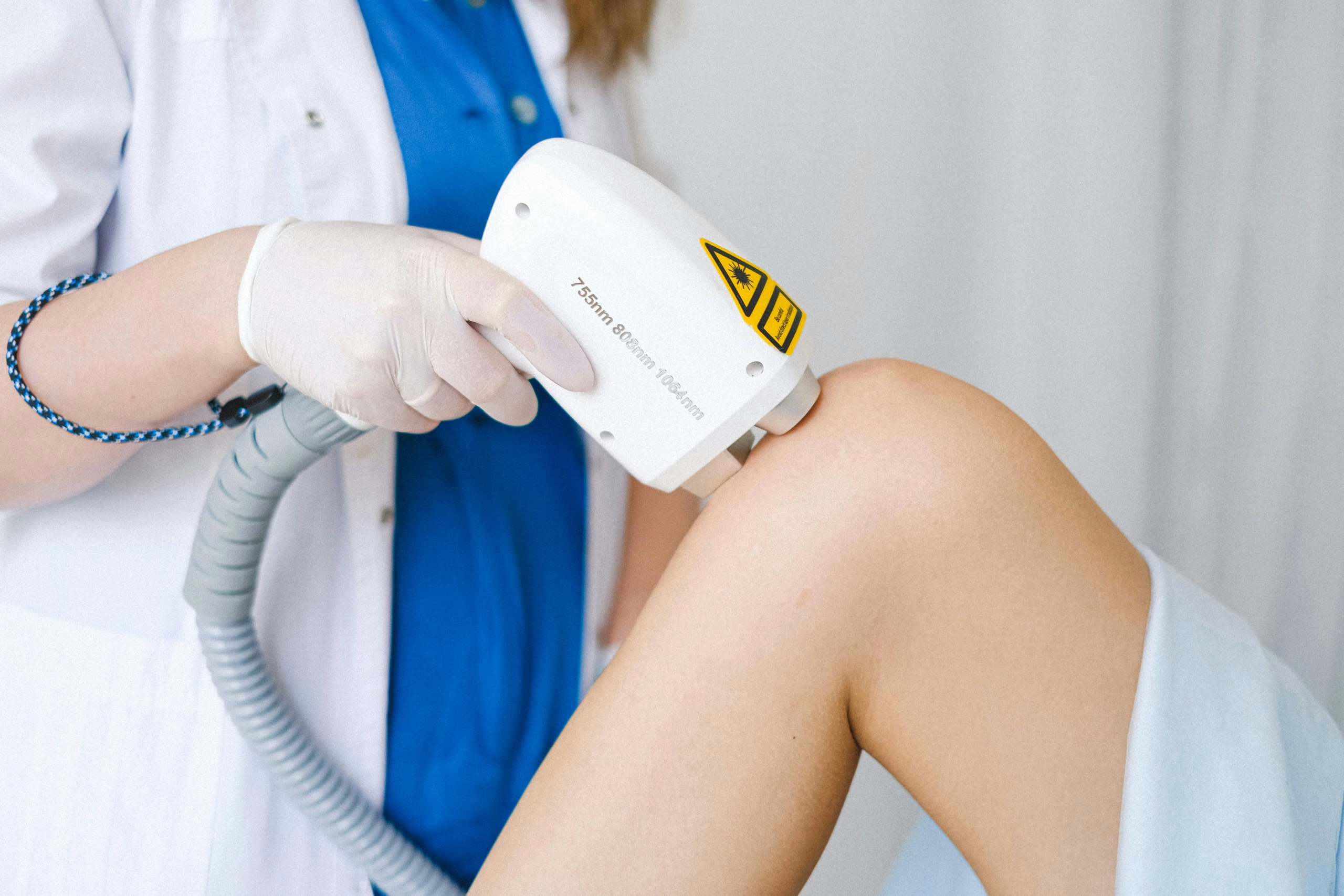
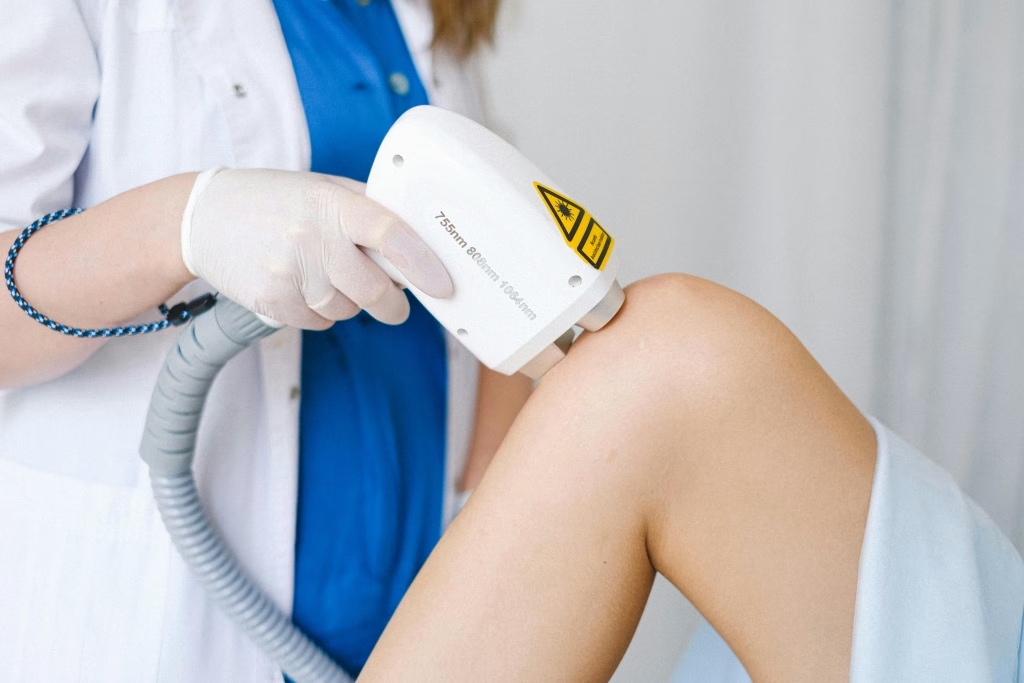
Laser toenail fungus treatment uses focused light to target and kill fungus right at the source, deep under the nail. It’s non-invasive—no drugs, needles, or surgery involved. That’s a big relief for people who can’t or don’t want to take oral antifungal meds.
Here’s how it works: The laser sends out a specific type of light. Fungal spores soak up that energy, which heats them up and destroys them. Meanwhile, the healthy skin and tissue around your nail stay safe.
What actually happens during a session? First, the doctor cleans and preps your toenail. Then they use a handheld laser device, moving it over the nail. The light gets through the nail plate and attacks the fungus hiding underneath. Over time, new, healthier nail starts to grow out. Each visit takes about 15 to 30 minutes, depending on how many nails need treating.
There are a few main types of lasers for this:
Nd:YAG Laser—this one’s the most popular. It goes deep and has a high success rate.
PinPointe FootLaser—quick sessions, barely any discomfort.
Lunula Laser—uses a cool, low-level laser, so the treatment’s completely pain-free.
All of these aim to wipe out the fungus safely. The method might vary a bit, but the goal is always the same.
Does it actually work? For mild to moderate infections, yes—laser treatment looks promising. About 70–90% of people see real improvement, especially if they keep up good foot care. Don’t expect instant results, though. The fungus dies, but toenails take a while to grow out—usually 9 to 12 months before you see a totally healthy nail.
How many sessions do you need? That depends on how bad the infection is, how many nails are affected, and what kind of laser’s being used. Mild cases might only need one to three visits. Tougher cases could need three to six, spaced out every four to six weeks. Your doctor will lay out a plan that’s right for you.
If you’re comparing laser treatment to other options, here’s the rundown:
Laser treatment doesn’t use drugs, so there’s no risk of liver problems. The sessions are quick, and there’s very little discomfort. The downside? It costs more upfront.
Oral antifungal meds work well, but they come with risks—like possible liver damage, the need for blood tests, and drug interactions.
Topical creams are cheap, but they barely get through the nail and take ages to work.
For a lot of people, laser treatment hits that sweet spot between safety and results.

Benefits of Laser Toenail Fungus Treatment
Non-invasive and painless
No systemic side effects
Safe for diabetic patients
No downtime or recovery period
Targets fungus at the root
Improves nail appearance over time
Laser therapy is particularly beneficial for patients who cannot take oral antifungal medications.
Are There Any Side Effects?
Laser treatment is generally considered very safe. Most patients experience no serious side effects.
Possible Mild Effects:
Warm sensation during treatment
Temporary redness around nail
Slight tingling feeling
There is no damage to healthy nail tissue when performed by a trained professional.
Who Is an Ideal Candidate for Laser Treatment?
You may be a good candidate if:
You have mild to moderate toenail fungus
Oral medications are not suitable for you
You want a non-drug solution
You have diabetes or liver concerns
However, extremely severe or long-standing infections may require combination therapy.
Laser Treatment for Toenail Fungus Cost
The cost of laser treatment varies by location, clinic, and number of sessions required.
Average Cost:
$200–$400 per session
Full treatment may cost $600–$1,500
Is It Covered by Insurance?
Most insurance plans consider laser treatment cosmetic or elective, so coverage is rare.
Despite the cost, many patients find it worthwhile due to long-term results and safety.
What to Expect After Laser Treatment
After treatment:
Resume normal activities immediately
Keep feet clean and dry
Trim nails properly
Use antifungal sprays or powders
Avoid tight shoes
Healthy nail growth will gradually replace the infected nail over several months.
Preventing Toenail Fungus After Laser Treatment
Prevention is essential to avoid reinfection.
Prevention Tips:
Wear breathable footwear
Change socks daily
Disinfect shoes regularly
Avoid walking barefoot in public places
Maintain proper foot hygiene
Laser treatment works best when combined with preventive care.
Laser Treatment for Toenail Fungus Before and After Results
Patients often notice:
Clearer nail appearance within weeks
Reduced thickness and discoloration
Healthier nail growth over time
Full results are typically visible after 6–12 months as the nail grows out completely.
Frequently Asked Questions (FAQs)
Is laser treatment painful?
No. Most patients describe it as a warm sensation.
Can toenail fungus return after laser treatment?
Yes, reinfection is possible without proper foot care.
Is laser treatment FDA-approved?
Yes, several laser systems are FDA-cleared for nail fungus treatment.
How long does it take to see results?
Visible improvement appears within a few months, with full results in up to a year.
Laser Treatment for Toenail Fungus: Pros and Cons
Pros
Safe and non-invasive
No medication side effects
Effective against stubborn infections
Cons
Higher cost
Multiple sessions may be required
Not always covered by insurance
Is Laser Treatment Worth It?
For many patients, laser treatment for toenail fungus is absolutely worth it, especially when other treatments have failed. Its safety, convenience, and effectiveness make it one of the best modern solutions available today.
However, success depends on:
Early treatment
Proper foot hygiene
Professional evaluation
Consult a qualified podiatrist or dermatologist to determine if laser therapy is right for you.
Final Thoughts
Toenail fungus can be frustrating and embarrassing, but modern advancements like laser treatment offer new hope. With minimal discomfort, no medication risks, and impressive success rates, laser therapy is becoming a preferred option worldwide.
If you’re looking for a safe, effective, and long-term solution, laser treatment for toenail fungus may be the answer you’ve been searching for.