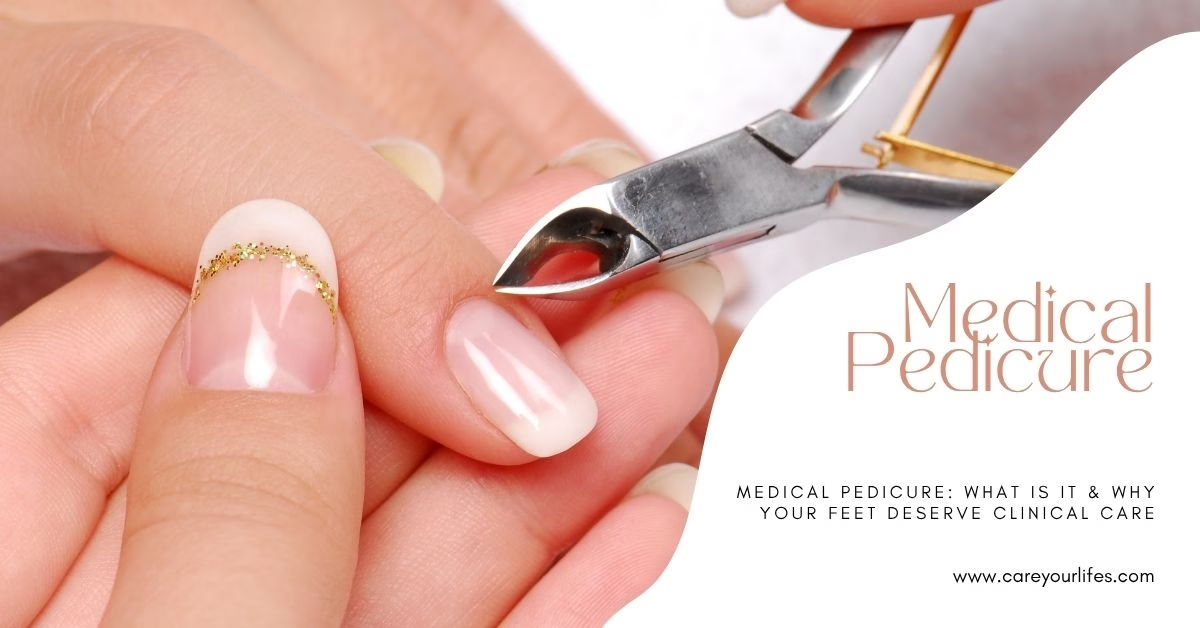
When you think about treating your feet, your mind probably jumps to a cozy spa—the warm soak, the scented scrub, maybe a splash of new color on your toes. But here’s the thing: if you have stubborn calluses, thick nails, fungal issues, or just want to make sure your feet get real care—without the usual risks you’d find at a regular nail salon—it might be time to try something different. A medical pedicure, sometimes called a “medi pedi,” is on a whole other level. It’s safer, cleaner, and built around actual foot health. Dr. Joy Rowland, a podiatrist, puts it simply: a medical pedicure gives you better hygiene and care than any standard pedicure.
What Happens During a Medical Pedicure? A Step-by-Step Process
If you’ve never had a medical pedicure, it’s easy to wonder what sets it apart from the standard salon experience. Here’s an inside look at what actually happens during a session:
- Start with a Clinical Consultation
Right off the bat, you’ll sit down with a specialist who talks through your medical history—stuff like diabetes, circulation problems, or foot pain. They don’t just glance at your feet, either. They’ll check for things like fungus, corns, calluses, warts, cracked heels, or weird-looking nails. This isn’t a quick once-over; it’s a deep dive for problems regular salons might not even spot. - Cleanliness on Another Level
Forget those bubbly foot tubs you see in spas. Medical pedicures use sterile, single-use or hospital-grade disinfected tools—way more clinical than cozy. The staff often wears gloves, masks, sometimes even protective goggles. The goal? Make sure nothing gets passed from one pair of feet to another. - Real Nail Care, Not Just a Trim
When it comes to your nails, this isn’t just buffing and shaping for looks. The technician uses precise instruments to trim and shape—no damage to the nail bed. They’ll thin out any thick nails and clean what’s trapped underneath, filing in a way that helps prevent ingrown nails. Sometimes, they’ll buff the surface too, just to make everything look healthier. - Precision Removal of Calluses and Corns
Got thick skin or stubborn corns? The expert breaks out serious tools—think scalpels or special files—and knows exactly how much skin to remove without hurting you. It’s a level of accuracy you really shouldn’t try to copy at home. Clearing away calluses and corns can relieve aches and stop bigger problems before they start. - Help for Cracked Heels and Fungal Issues
Cracked heels can get ugly, but they’re more than just a cosmetic thing—they can bleed or even get infected. The specialist will gently cut away tough skin and use medical creams to help them heal. If you’ve got fungus lurking around, they either treat it right away or set you up with what you need to really deal with it. - Therapeutic Massage & Personalized Aftercare
Some sessions wrap up with a gentle massage that boosts circulation and eases any swelling. Instead of fancy scented lotions, they might use medicated creams for extra healing. Before you leave, they’ll share customized tips—maybe a certain cream or shoe insert—to help keep your feet happy at home.
Who Really Needs a Medical Pedicure?
Pretty much anyone can benefit, but some people need it more than others.People with Diabetes or Circulation Problems: If you have either, even a little nick from a basic pedicure can lead to a big infection. Medical pedicures keep everything sterile. As nurse practitioner Ginger Freese puts it, “Anyone with diabetes should check their feet daily for any signs of injury or infection.”
Folks with Recurring Foot Issues: If you’re always battling ingrown nails, fungus, thick nails, trouble spots, or cracked skin, this kind of pedicure treats the source—not just the symptoms.
Older Adults and Athletes: If it’s tough to cut your own nails safely, or you’re on your feet a lot, the detailed care of a medical pedicure is a real plus.
Anyone Who Cares About Cleanliness: Even if your feet are usually healthy, you might just want the peace of mind that comes from strict hygiene and infection control. It’s a good fit if you value super-clean standards.
Before You Book
Most medical pedicures skip the nail polish—although some places let you add it if you want. Prices depend on where you go and how experienced the provider is, and they tend to be higher than your run-of-the-mill nail salon. If you need it for medical reasons (like diabetic foot care), insurance might help cover the cost.
Bottom Line: A Smarter Kind of Foot Care
Medical pedicures aren’t about losing that relaxing spa moment—they’re about putting your health first. Whether you’re dealing with a chronic issue, healing a gnarly ingrown nail, or just want to steer clear of germy salons, this clinical approach keeps your feet in top shape.
If you’re ready for serious, health-focused foot care, find a licensed podiatrist or certified foot specialist nearby. Your feet will feel the difference.