
Everyone wants healthy, glowing skin. But life gets in the way—too much sun, pollution, stress, hormones, just getting older. All that stuff can leave your skin looking tired, uneven, or spotty.
That’s why it’s so important to really know what’s in your skincare. Forget the flashy ads; you want ingredients that actually do something, backed by real science.
This guide breaks down the best skin brightening ingredients, how they actually work, and how to use them safely so you get results that last.
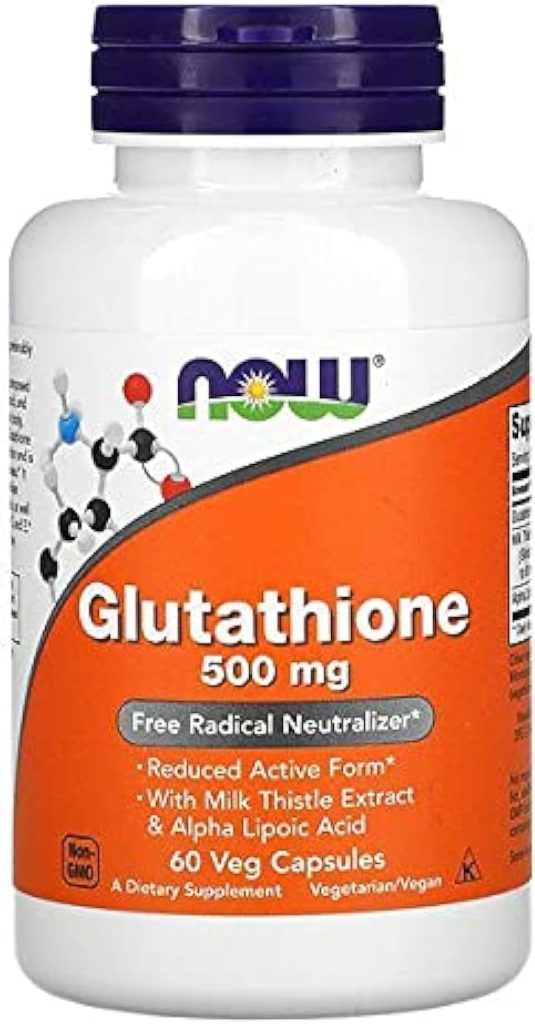
Now Foods - Glutathione Cellular Antioxidant 500 mg. - 60 Vegetarian Capsules
Brand NOW Foods Unit Count 60 Count Item Form Softgel Item Weight 0.08 Kilograms

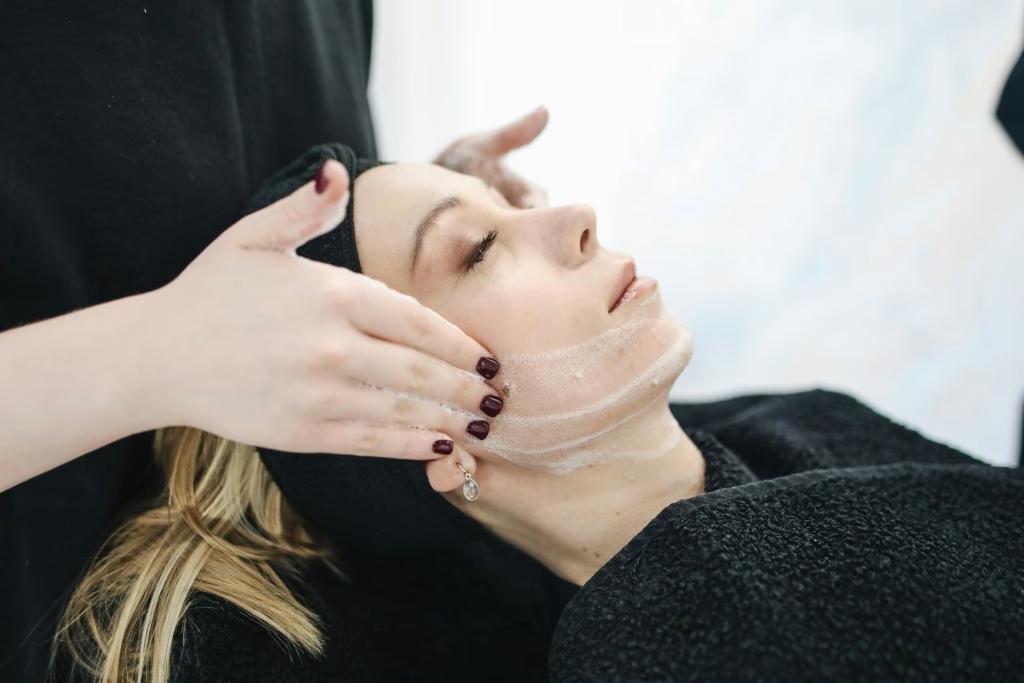
What Does “Skin Brightening” Really Mean?
Skin brightening isn’t about altering your natural complexion or aiming for a different skin tone. Instead, it focuses on enhancing your skin’s natural radiance by addressing uneven areas, reducing the appearance of dark spots, and smoothing out patchiness. The goal is to bring back your skin’s clarity, luminosity, and evenness—essentially helping your skin look its healthiest and most vibrant, rather than masking or changing your unique features.
The majority of brightening products work by targeting three main concerns: excessive melanin production, oxidative stress from environmental factors, and the buildup of dead skin cells. Melanin is the pigment responsible for skin color, and when it’s produced unevenly, it can lead to discoloration or spots. Oxidative stress, caused by factors like pollution, UV radiation, and even everyday stress, can accelerate skin aging and dullness. Meanwhile, when old skin cells accumulate on the surface, they can make your skin look lackluster and emphasize uneven tone.
To tackle these issues, effective brightening ingredients operate through several key mechanisms. One major approach is inhibiting tyrosinase, the enzyme that triggers melanin synthesis in the skin. By slowing down this process, these ingredients help minimize the development of new dark spots and encourage a more uniform skin tone. This is why tyrosinase inhibitors like vitamin C, kojic acid, and licorice extract are common in brightening formulas.
Another important action is accelerating cell turnover. As we age, our skin’s natural renewal process slows down, making it harder for fresh, healthy skin to emerge. Ingredients like alpha hydroxy acids (AHAs) or retinoids help to gently slough off dead skin cells, revealing brighter, newer skin beneath. This not only improves radiance but also makes it easier for other brightening ingredients to penetrate and work effectively.
Antioxidants play a crucial role as well. They neutralize free radicals—unstable molecules generated by sun exposure, pollution, and other stressors—that can damage skin cells and worsen pigmentation. By protecting the skin from this ongoing assault, antioxidants like vitamin E, niacinamide, and green tea extract help preserve your skin’s clarity and resilience.
Lastly, controlling inflammation is a vital part of the brightening process. When the skin is irritated, whether from acne, harsh treatments, or environmental aggressors, it can respond by producing more pigment, leading to stubborn dark marks known as post-inflammatory hyperpigmentation. Soothing ingredients such as aloe vera, centella asiatica, and allantoin help calm the skin, reducing the risk of pigmentation from irritation.
Overall, skin brightening is about restoring your skin’s natural brilliance by keeping it healthy, balanced, and protected. By combining these various strategies—regulating melanin, supporting cell renewal, shielding against damage, and reducing inflammation—you can achieve a more radiant, even-toned complexion while celebrating your skin’s individuality.
Now Foods - Glutathione Cellular Antioxidant 500 mg. - 60 Vegetarian Capsules
Brand NOW Foods Unit Count 60 Count Item Form Softgel Item Weight 0.08 Kilograms
Top Skin Brightening Ingredients (Backed by Science)
1. Vitamin C
Vitamin C is one of the most researched skin brightening ingredients.
Benefits:
Inhibits melanin production
Boosts collagen synthesis
Reduces oxidative stress
Improves skin radiance
Best Forms:
L-ascorbic acid (most potent)
Magnesium ascorbyl phosphate
Sodium ascorbyl phosphate
Pro Tip: Use in the morning with sunscreen for maximum protection.
2. Niacinamide
Niacinamide (Vitamin B3) is gentle yet powerful.
Benefits:
Reduces dark spots
Controls oil production
Strengthens skin barrier
Improves texture
It works well for all skin types, including sensitive skin.
3. Retinol
Retinol is a derivative of Vitamin A and a gold standard in dermatology.
Benefits:
Increases cell turnover
Fades hyperpigmentation
Reduces fine lines
Improves skin clarity
Start with low concentrations to avoid irritation.
4. Alpha Arbutin
Alpha arbutin is a safe and effective melanin inhibitor.
Benefits:
Reduces dark spots
Evens skin tone
Suitable for long-term use
It is often preferred over harsher ingredients.
5. Kojic Acid
Derived from fungi, kojic acid blocks tyrosinase activity.
Benefits:
Fades pigmentation
Treats melasma
Brightens dull skin
Use carefully as it may cause irritation in high concentrations.
6. Glutathione
Glutathione is a powerful antioxidant found naturally in the body.
Benefits:
Neutralizes free radicals
May influence melanin pathways
Supports overall skin clarity
Available in oral and topical forms.
7. Azelaic Acid
Azelaic acid is excellent for acne-prone skin.
Benefits:
Reduces inflammation
Fades post-acne marks
Improves uneven tone
Dermatologists often recommend it for rosacea and pigmentation.
8. Licorice Extract
Licorice root contains glabridin, a natural brightener.
Benefits:
Reduces pigmentation
Calms irritated skin
Provides antioxidant support
Ideal for sensitive skin types.
9. Tranexamic Acid
Tranexamic acid is increasingly popular for treating melasma.
Benefits:
Reduces stubborn pigmentation
Safe for most skin types
Works well with niacinamide
10. Vitamin E
Vitamin E enhances the effect of Vitamin C.
Benefits:
Protects from UV damage
Supports skin repair
Boosts glow
Ingredients to Avoid for Skin Brightening
Some ingredients may lighten skin but carry risks.
⚠ Hydroquinone (Long-term misuse risk)
⚠ High-dose steroid creams
⚠ Mercury-containing products
Always check labels and avoid unregulated products.
Natural Skin Brightening Ingredients
If you prefer natural options, consider:
Aloe vera
Turmeric
Green tea extract
Papaya enzymes
Rosehip oil
Natural does not always mean irritation-free, so patch testing is essential.
How to Combine Skin Brightening Ingredients
For best results:
Morning Routine:
Vitamin C serum
Niacinamide (optional)
Sunscreen (SPF 30+)
Night Routine:
Gentle cleanser
Retinol or azelaic acid
Moisturizer
Avoid mixing strong actives like retinol and kojic acid initially.
How Long Do Brightening Ingredients Take to Work?
Typical timeline:
2–4 weeks: Improved glow
6–8 weeks: Visible reduction in dark spots
12 weeks: Noticeable tone improvement
Consistency and sun protection are critical.
Role of Sunscreen in Skin Brightening
Without sunscreen, brightening ingredients cannot work effectively.
UV exposure stimulates melanin production. Daily sunscreen:
Prevents new dark spots
Protects treatment results
Maintains skin clarity
Use broad-spectrum SPF daily—even indoors.
Do Skin Brightening Ingredients Permanently Change Skin Color?
No.
They:
Improve uneven tone
Reduce pigmentation
Enhance natural radiance
They do not alter genetic skin tone.
Choosing the Right Ingredient for Your Skin Type
| Skin Type | Best Ingredients |
|---|---|
| Oily | Niacinamide, Azelaic Acid |
| Dry | Vitamin C, Vitamin E |
| Sensitive | Licorice Extract, Niacinamide |
| Acne-prone | Azelaic Acid, Retinol |
| Melasma | Tranexamic Acid, Alpha Arbutin |
Frequently Asked Questions
What is the most effective skin brightening ingredient?
Vitamin C and retinol are among the most studied and effective.
Can I use multiple brightening ingredients together?
Yes, but introduce gradually to avoid irritation.
Are natural ingredients better?
Not necessarily. Effectiveness depends on formulation and concentration.
Is skin brightening safe?
When using dermatologist-approved ingredients responsibly, yes.
Final Thoughts
Understanding skin brightening ingredients empowers you to make smarter skincare choices. The most effective and science-supported ingredients include:
Vitamin C
Niacinamide
Retinol
Alpha Arbutin
Azelaic Acid
Glutathione
For best results:
✔ Be consistent
✔ Use sunscreen daily
✔ Avoid harsh chemicals
✔ Choose quality formulations
Radiant skin is not about changing who you are — it’s about restoring your skin’s healthiest version.