


Collagen is often called the “building block of the body,” and for good reason.What Does Collagen Do? As the most abundant protein in the human body, collagen plays a crucial role in maintaining the structure, strength, and elasticity of various tissues. From your skin to your bones, joints, muscles, and even blood vessels, collagen is essential for overall health and vitality.
- The Role of Collagen in the Body: What Does Collagen Do?
- 1. Collagen Provides Structural Support to the Skin
- 2. Collagen Strengthens Bones and Teeth
- 3. Collagen Maintains Joint and Cartilage Health
- 4. Collagen Supports Muscle Strength and Function
- 5. Collagen Ensures Healthy Blood Vessels
- 6. Collagen Plays a Role in Gut Health
- 7. Collagen Assists in Eye Health
- Ancient Nutrition Collagen Peptides Pills,
- Why Does the Body Need Collagen?
- How Does Collagen Production Change with Age?
- Symptoms of Collagen Deficiency
- How to Boost and Maintain Healthy Collagen Levels
- 1. Eat Collagen-Rich Foods
- 2. Consume Amino Acids and Nutrients That Support Collagen Synthesis
- 3. Avoid Collagen-Damaging Habits
- 4. Consider Collagen Supplements
- 5. Maintain a Healthy Lifestyle
- Collagen and Skin: In-Depth Look
- Collagen and Joint Health: Detailed Analysis
- Collagen in Bone Health
- Collagen in Muscle and Tendons
- Collagen in Cardiovascular Health
- Collagen and Gut Health
- Collagen and Eye Health
- Potential Side Effects and Risks of Collagen Supplementation
- Frequently Asked Questions (FAQs)
- Does collagen help with weight loss?
- Can vegetarians and vegans get collagen?
- How long does it take for collagen supplements to work?
- Conclusion
But What Does Collagen Do actually? How does it work, and why is it so important? This comprehensive guide will explore the many functions of collagen, the science behind it, how collagen levels change with age, and practical ways to support your body’s collagen naturally.
Whether you’re interested in improving your skin’s appearance, easing joint pain, or promoting overall wellness, understanding collagen is the first step to unlocking these benefits.

The Role of Collagen in the Body: What Does Collagen Do?
1. Collagen Provides Structural Support to the Skin
The skin is the largest organ of the body and relies heavily on collagen to maintain its strength and elasticity. Collagen fibers form a dense matrix within the dermis (the skin’s middle layer), giving the skin its firmness and resilience.
- Maintains Skin Elasticity: Collagen helps skin snap back after stretching.
- Prevents Wrinkles and Sagging: Collagen loss leads to visible signs of aging like wrinkles, fine lines, and sagging skin.
- Supports Wound Healing: Collagen acts as a framework for new tissue growth during healing.
2. Collagen Strengthens Bones and Teeth
Approximately 30% of bone mass is collagen, which provides a flexible framework for minerals such as calcium to deposit, giving bones both strength and flexibility.
- Prevents Bone Fragility: Collagen keeps bones resilient, reducing fracture risk.
- Supports Tooth Structure: Collagen is a key component of dentin, the layer beneath tooth enamel.
3. Collagen Maintains Joint and Cartilage Health
In joints, collagen (mainly Type II) is the primary protein in cartilage, which cushions bones and allows smooth, pain-free movement.
- Reduces Joint Pain: Collagen helps repair damaged cartilage and may reduce symptoms of osteoarthritis.
- Supports Mobility: Healthy collagen levels maintain joint flexibility and reduce stiffness.
4. Collagen Supports Muscle Strength and Function
Collagen is present in muscles and tendons, providing structural integrity and transmitting force generated by muscle contractions.
- Enhances Muscle Repair: Collagen supports muscle tissue regeneration after injury or exercise.
- Improves Tendon Strength: Strong tendons reduce injury risk.
5. Collagen Ensures Healthy Blood Vessels
Type III collagen is abundant in blood vessel walls, contributing to their elasticity and strength.
- Promotes Cardiovascular Health: Strong vessels reduce the risk of aneurysms and vascular diseases.
- Supports Circulation: Elastic vessels maintain stable blood pressure and efficient blood flow.
6. Collagen Plays a Role in Gut Health
Collagen helps maintain the integrity of the gut lining, which is essential for nutrient absorption and preventing “leaky gut” syndrome.
- Supports Intestinal Barrier: Collagen fibers strengthen the gut lining, protecting against inflammation and infection.
- Aids Digestion: Healthy gut lining improves nutrient uptake.
7. Collagen Assists in Eye Health
Collagen is a major component of the cornea and sclera (white part of the eye), providing structure and clarity needed for vision.
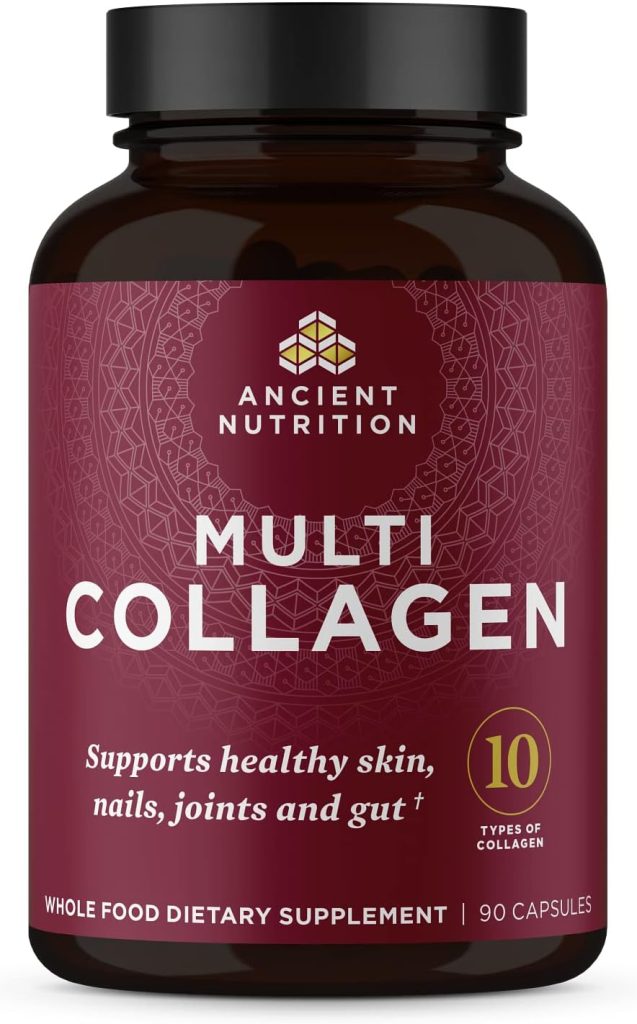
Ancient Nutrition Collagen Peptides Pills,
Hydrolyzed Multi Collagen Supplement, Types I, II, II, V & X, Supports Healthy Skin and Nails, Gut Health and Joints, 90 Capsules

Why Does the Body Need Collagen?
Collagen is vital because it keeps the body’s tissues strong, flexible, and functional. Without adequate collagen:
- Skin becomes thin, dry, and prone to wrinkles.
- Bones lose density and become brittle.
- Joints may stiffen and become painful.
- Blood vessels become fragile.
- Wound healing slows dramatically.
How Does Collagen Production Change with Age?
Natural collagen production peaks in your 20s but steadily declines by approximately 1% each year after age 25-30. This decline accelerates due to:
- Aging: Reduced fibroblast activity slows collagen synthesis.
- Sun Exposure: UV rays break down collagen fibers.
- Smoking: Chemicals in cigarettes damage collagen.
- Poor Diet: Lack of essential nutrients impairs collagen formation.
- Stress: Chronic inflammation reduces collagen production.
By age 50, collagen levels can be decreased by up to 50%, leading to common signs of aging and health decline.
Symptoms of Collagen Deficiency
- Wrinkled, sagging skin
- Joint stiffness and pain
- Slow wound healing
- Brittle bones or osteoporosis
- Weak nails and hair loss
- Poor muscle tone
How to Boost and Maintain Healthy Collagen Levels
1. Eat Collagen-Rich Foods
Natural collagen is found in animal connective tissues:
- Bone broth
- Chicken skin
- Fish skin and scales
- Pork skin
- Gelatin
2. Consume Amino Acids and Nutrients That Support Collagen Synthesis
- Vitamin C: Crucial for collagen formation (found in citrus fruits, berries, bell peppers).
- Proline: Found in egg whites, dairy, cabbage.
- Glycine: Found in pork skin, chicken skin, gelatin.
- Copper: Essential cofactor (nuts, seeds, shellfish).
- Zinc: Supports collagen repair (meat, legumes, nuts).
3. Avoid Collagen-Damaging Habits
- Limit UV exposure and use sunscreen.
- Quit smoking.
- Avoid excessive sugar and processed foods (promote glycation which damages collagen).
4. Consider Collagen Supplements
Hydrolyzed collagen peptides are popular supplements that may improve skin elasticity, joint health, and muscle recovery. Many studies support their efficacy.
5. Maintain a Healthy Lifestyle
- Regular exercise stimulates collagen production.
- Adequate sleep supports tissue repair.
- Manage stress to reduce inflammation.
Collagen and Skin: In-Depth Look
How Collagen Keeps Skin Youthful
Collagen forms 70-80% of the skin’s dermis, working with elastin to maintain firmness and elasticity. Degradation of collagen leads to:
- Thinning skin
- Wrinkles and fine lines
- Dryness and rough texture
- Loss of plumpness
Collagen and Aging Skin
Intrinsic aging and extrinsic factors like sun exposure cause:
- Collagen fiber fragmentation
- Reduced collagen synthesis
- Increased activity of enzymes that break down collagen (matrix metalloproteinases)
Anti-Aging Skincare and Collagen
Topical retinoids, vitamin C serums, and peptides may stimulate collagen production or protect existing collagen.
Collagen and Joint Health: Detailed Analysis
Collagen in Cartilage
Collagen Type II forms the structural matrix of cartilage, enabling it to resist compressive forces.
Osteoarthritis and Collagen
Osteoarthritis involves cartilage degradation. Supplementing collagen may:
- Reduce joint pain and stiffness
- Improve joint mobility
- Support cartilage repair
Collagen in Bone Health
Bone Matrix Composition
Collagen fibers form a scaffold for calcium phosphate mineralization, providing bone strength and flexibility.
Osteoporosis Prevention
Maintaining collagen levels helps prevent bone loss and fractures.
Collagen in Muscle and Tendons
Structural Support
Collagen provides tensile strength to tendons connecting muscles to bones, crucial for movement.
Muscle Repair
Post-exercise collagen synthesis aids muscle recovery and growth.
Collagen in Cardiovascular Health
Blood Vessel Integrity
Collagen maintains elasticity of arteries and veins, preventing damage and maintaining healthy blood flow.
Cardiovascular Disease
Collagen degradation contributes to arterial stiffness and hypertension.
Collagen and Gut Health
Intestinal Barrier
Healthy collagen strengthens the gut lining, preventing toxins from leaking into the bloodstream.
Digestive Disorders
Collagen supplementation may support recovery in leaky gut syndrome and inflammatory bowel disease.
Collagen and Eye Health
Structural Protein
Collagen maintains corneal clarity and ocular strength.
Potential Side Effects and Risks of Collagen Supplementation
- Allergies (especially if from fish, shellfish, or eggs)
- Digestive discomfort in some individuals
- Quality varies between supplements — choose reputable brands
Frequently Asked Questions (FAQs)
Does collagen help with weight loss?
Indirectly, by improving muscle mass and skin elasticity, collagen can support a healthy metabolism.
Can vegetarians and vegans get collagen?
Collagen is animal-derived, but plant-based diets can support collagen production through nutrients like vitamin C and proline.
How long does it take for collagen supplements to work?
Most studies indicate benefits after 4-8 weeks of consistent use.
Conclusion
Collagen is indispensable for maintaining the body’s structural integrity, from skin and joints to bones and blood vessels. Its diverse roles make it essential for healthy aging, mobility, and overall vitality. While natural collagen production declines with age, lifestyle choices, diet, and supplementation can help maintain optimal levels.
By understanding what collagen does and how to support its production, you can take proactive steps towards stronger, healthier skin, more flexible joints, resilient bones, and improved wellness. Embrace collagen as a cornerstone of your health journey and enjoy the benefits of this remarkable protein.







Oh my goodness! an incredible article dude. Thanks However I’m experiencing problem with ur rss . Don’t know why Unable to subscribe to it. Is there anyone getting identical rss problem? Anyone who is aware of kindly respond. Thnkx