
When it comes to self-care and grooming, Then you have to know about what is pedicure? one term that often comes up is pedicure. But what is a pedicure exactly? Is it just about painting your toenails or is there more to it? A pedicure is a cosmetic and therapeutic treatment for the feet and toenails that promotes both hygiene and relaxation.
- What is Pedicure?
- Benefits of a Pedicure
- 1. Improved Foot Hygiene
- 2. Better Circulation
- 3. Smoother Skin
- 4. Stress Relief
- 5. Early Detection of Issues
- Types of Pedicure
- 1. Basic Pedicure
- 2. Spa Pedicure
- 3. Gel Pedicure
- 4. Paraffin Pedicure
- 5. French Pedicure
- 6. Athletic Pedicure
- 7. Fish Pedicure
- Pedicure Tools and Supplies
- How to Do a Pedicure at Home: Step-by-Step Guide
- Step 1: Remove Old Nail Polish
- Step 2: Soak Your Feet
- Step 3: Exfoliate
- Step 4: Trim and File Nails
- Step 5: Push Back Cuticles
- Step 6: Moisturize
- Step 7: Apply Nail Polish
- Step 8: Dry and Relax
- Professional Pedicure vs. DIY Pedicure
- How Often Should You Get a Pedicure?
- Pedicure Tips for Healthy Feet
- Common Pedicure Mistakes to Avoid
- Are Pedicures Safe?
- Pedicure for Men
- Eco-Friendly and Vegan Pedicures
In this comprehensive guide, we’ll dive deep into everything you need to know about pedicures, including their benefits, different types, how to do them at home or professionally, and important tips to keep your feet looking and feeling great.
A pedicure is far more than just a beauty treatment for the feet. It’s a luxurious experience that combines aesthetics, hygiene, and relaxation in one holistic practice. Rooted in ancient beauty rituals and adapted through the centuries, pedicures today are a regular part of self-care and wellness routines for millions around the world. From removing calluses and dead skin cells to shaping the nails and massaging tired feet, a professional pedicure serves both cosmetic and therapeutic purposes. In today’s fast-paced world, where standing and walking can lead to stress and discomfort in the lower limbs, a pedicure provides not just visual appeal but essential relief and rejuvenation. Whether you’re preparing for sandal season or simply taking a moment to indulge in self-care, a pedicure can transform how you look and feel from the ground up.
traditions spread across civilizations, with ancient Chinese and Roman societies also practicing pedicures in their own unique ways. Today, modern pedicures have evolved into a sophisticated blend of ancient techniques and contemporary technology, offered in salons and spas globally.
Table of Contents
What is Pedicure?
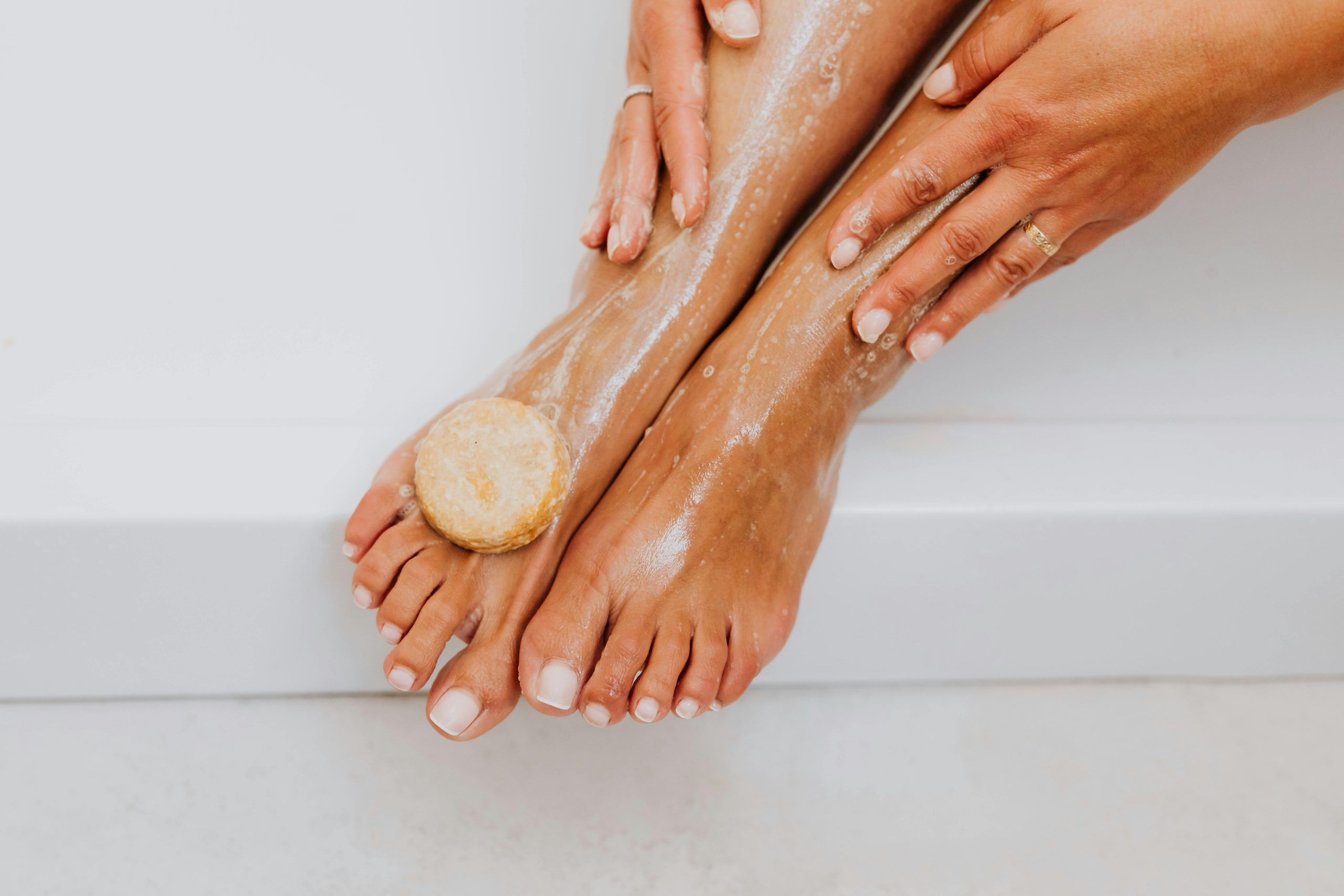
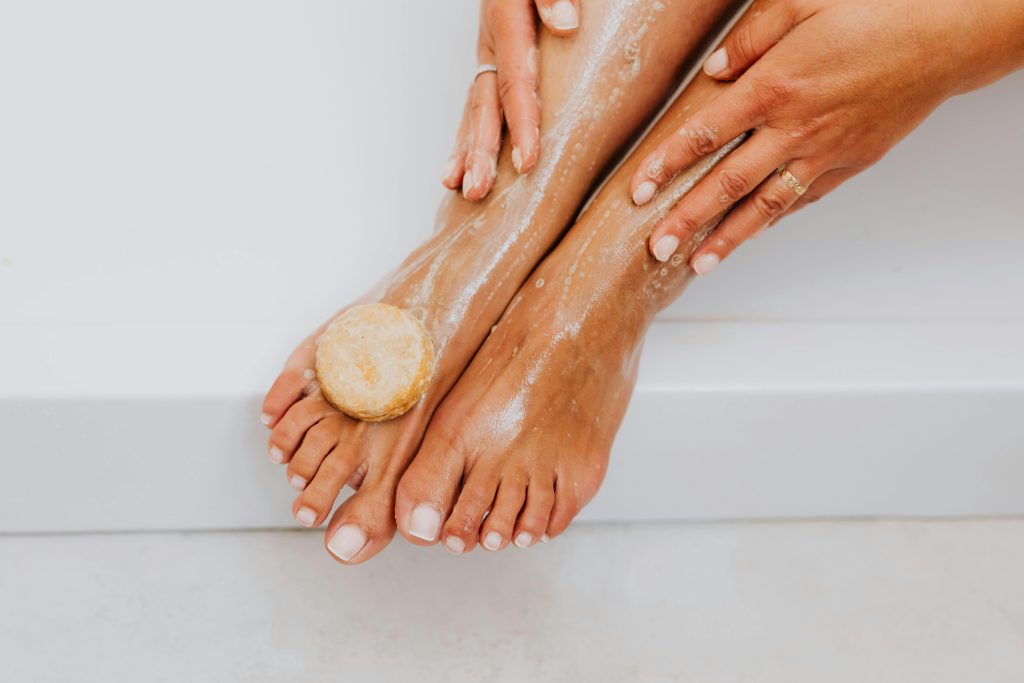
A pedicure is a beauty treatment that focuses on the care of the feet, toenails, and often includes foot massages, exfoliation, and moisturizing. It is one of the most popular services offered at salons and spas, but it can also be done at home with the right tools and products.
Pedicures are not just about aesthetics. They also help maintain healthy feet, prevent nail diseases and disorders, and offer a relaxing experience that can reduce stress.
Benefits of a Pedicure
Pedicures offer both cosmetic and health benefits. Here’s why getting regular pedicures is a good idea:
1. Improved Foot Hygiene
A pedicure helps remove dirt, dead skin, and bacteria from your feet. Trimming and cleaning toenails prevents infections and ingrown nails.
2. Better Circulation
Foot massages included in most pedicure treatments stimulate blood circulation, reducing pain and promoting overall foot health.
3. Smoother Skin
Exfoliation removes dead skin and prevents calluses and cracked heels. Moisturizers used in pedicures soften the skin, leaving it smooth and hydrated.
4. Stress Relief
A good pedicure is incredibly relaxing. It reduces stress levels through massage and soothing treatments, contributing to overall mental well-being.
5. Early Detection of Issues
Professional nail technicians can spot signs of fungal infections, bunions, and corns early, prompting timely medical attention.
Types of Pedicure
There are many types of pedicures available depending on your needs and preferences. Here are some of the most popular ones:
1. Basic Pedicure
This is the standard pedicure which includes soaking, scrubbing, nail clipping, cuticle care, foot massage, and polish application.
2. Spa Pedicure
A spa pedicure is a more luxurious version of the basic pedicure, often including aromatherapy, paraffin wax treatment, masks, or special scrubs.
3. Gel Pedicure
Uses gel-based nail polish that is cured under UV light. Gel pedicures last longer and are chip-resistant.
4. Paraffin Pedicure
Involves dipping feet in warm paraffin wax to moisturize and soften dry, cracked skin. It’s great for people with very dry feet.
5. French Pedicure
Features a clean look with nude or pink nail base and white nail tips. It’s elegant and suitable for any occasion.
6. Athletic Pedicure
Designed for those who are always on their feet or into sports. Focuses on relieving foot strain and treating calluses or blisters.
7. Fish Pedicure
Involves tiny fish (garra rufa) that eat dead skin off your feet. Not recommended in some regions due to hygiene concerns.
Pedicure Tools and Supplies
To give yourself a pedicure at home or understand what’s used during a salon treatment, here’s a list of common tools:
Foot soak or basin
Nail clippers
Cuticle pusher and nipper
Nail file and buffer
Pumice stone or foot file
Foot scrub
Moisturizer or foot cream
Nail polish remover
Base coat, nail polish, and top coat
Toe separators
Towel
How to Do a Pedicure at Home: Step-by-Step Guide
Want to pamper yourself at home? Here’s a simple step-by-step guide to doing your own pedicure.
Step 1: Remove Old Nail Polish
Start with a clean slate. Use a gentle, acetone-free nail polish remover.
Step 2: Soak Your Feet
Fill a basin with warm water, add a few drops of essential oil, Epsom salts, or a foot soak product. Soak your feet for 10-15 minutes to soften the skin.
Step 3: Exfoliate
Use a scrub to exfoliate dead skin cells. Follow with a pumice stone or foot file for tougher calluses.
Step 4: Trim and File Nails
Cut your nails straight across to prevent ingrown nails. Shape them using a nail file.
Step 5: Push Back Cuticles
Gently push back your cuticles using a cuticle pusher. You can use cuticle remover cream to soften them.
Step 6: Moisturize
Apply a thick layer of foot cream or moisturizer. Massage it into your feet and calves to boost circulation.
Step 7: Apply Nail Polish
Start with a base coat, then apply two layers of your favorite nail color. Finish with a top coat for a glossy finish.
Step 8: Dry and Relax
Let your nails dry completely before walking around. Use toe separators to prevent smudging.
Professional Pedicure vs. DIY Pedicure
While DIY pedicures are budget-friendly and convenient, professional pedicures offer expert care and additional treatments. Here’s a quick comparison:
| Feature | DIY Pedicure | Professional Pedicure |
|---|---|---|
| Cost | Low | Moderate to high |
| Expertise | Beginner/intermediate | Expert |
| Time | Flexible | 30–60 minutes |
| Tools & Products | Limited by what you own | Salon-grade |
| Relaxation Factor | Moderate | High (includes massage) |
For special occasions or deep treatments, a professional pedicure is ideal. For regular upkeep, DIY works well.
How Often Should You Get a Pedicure?
The frequency of pedicures depends on your lifestyle and foot condition:
General maintenance: Every 4–6 weeks
Dry/cracked feet: Every 2–3 weeks
For special occasions: A few days in advance
Pedicure Tips for Healthy Feet
Always sterilize tools before and after use.
Avoid shaving legs before a pedicure to reduce risk of infection.
Use breathable nail polish and give your nails a break from time to time.
Moisturize daily, especially in colder months.
Watch for signs of infection like redness, swelling, or unusual odor.
Common Pedicure Mistakes to Avoid
Cutting nails too short
Overusing pumice stone
Ignoring cuticle care
Skipping base or top coat
Not using clean or sanitized tools
Are Pedicures Safe?
Yes, pedicures are generally safe if done correctly. However, people with diabetes or foot circulation issues should consult a doctor before getting a pedicure. Always choose salons that maintain strict hygiene standards.
Pedicure for Men
Pedicures are not just for women. Men benefit equally from healthy, well-groomed feet. Many salons now offer masculine or unisex pedicure packages focusing on cleanliness and comfort.
Eco-Friendly and Vegan Pedicures
For eco-conscious individuals, many salons offer:
Vegan nail polishes: Free from animal-derived ingredients
Cruelty-free products
Eco-friendly packaging and tools
Ask your salon about sustainable options.
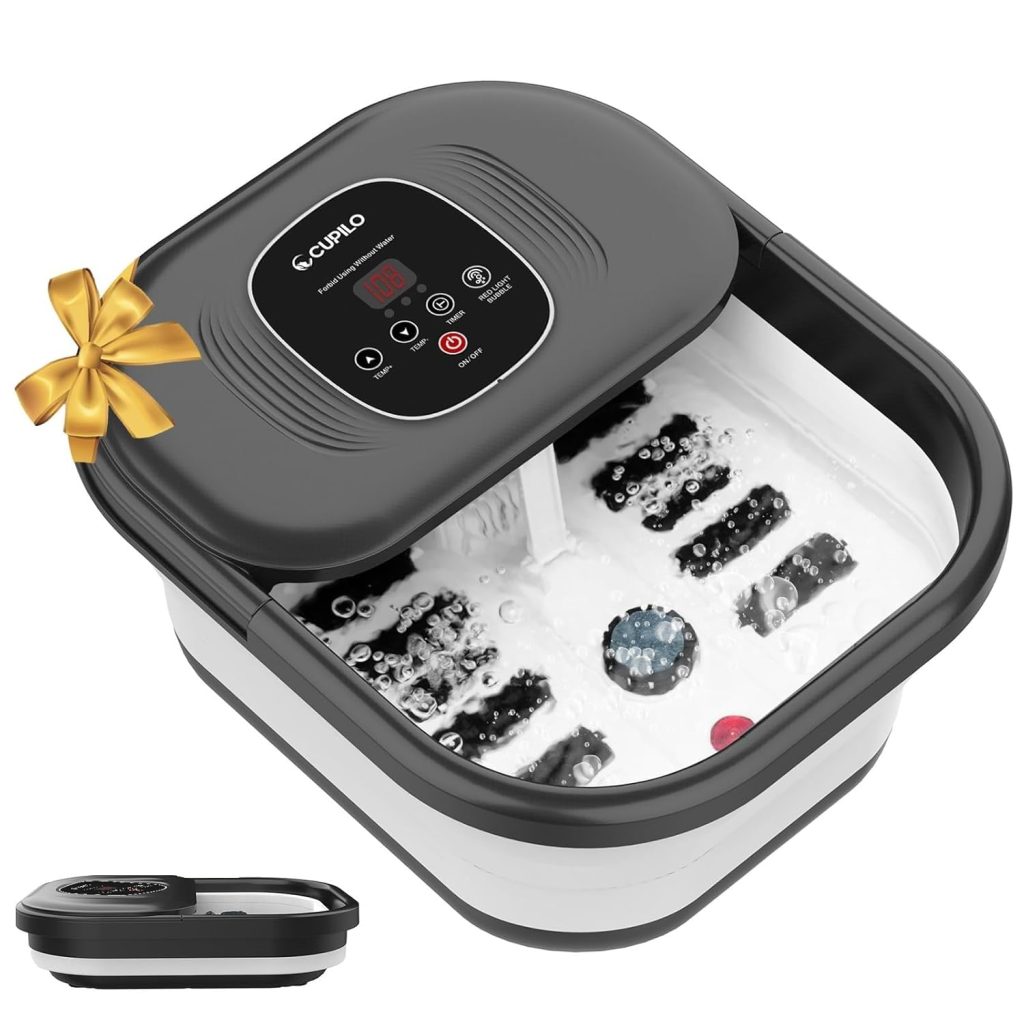
CuPiLo Foot Spa Bath Massager with Heat
Collapsible Foot Massager Spa Soaking Tub with Bubbles, Red Light, Pumice Stone, and Shiatsu Massage Rollers