

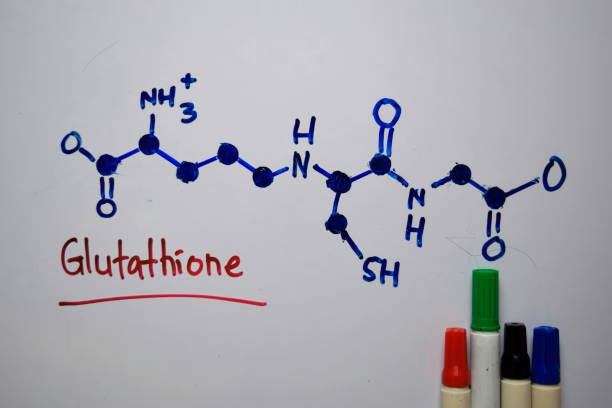
In the world of wellness and skincare, glutathione has carved out a reputation as a powerhouse antioxidant. Whether you’re interested in detoxifying your body, enhancing your immune system, or achieving a brighter complexion, glutathione supplements are becoming a go-to solution. But have you ever wondered where glutathione supplements come from? What’s actually inside that capsule or IV vial?
- Where Do Glutathione Supplements Come From?
- 1. Fermentation of Amino Acids
- 2. Biotechnological Extraction
- 3. Synthetic Production (Less Common)
- Now Foods - Glutathione Cellular Antioxidant 500 mg. - 60 Vegetarian Capsules
- Forms of Glutathione Supplements
- 1. L-Glutathione (Reduced Form)
- 2. S-Acetyl Glutathione
- 3. Liposomal Glutathione
- 4. Glutathione IV or Injections
- 5 Must-Know Tips Before Buying Glutathione Supplements
- Tip #1: Know the Source of Your Supplement
- Tip #2: Choose the Right Form for Your Needs
- Tip #3: Watch Out for Fake or Low-Quality Products
- Tip #4: Check the Added Ingredients
- Tip #5: Understand Dosage and Duration
- Common Myths About Glutathione Origins
- Myth 1: All glutathione comes from natural plants.
- Myth 2: IV glutathione is always better.
- Myth 3: Cheap glutathione supplements are just as good.
- Why the Origin Matters
- Final Thoughts
- Frequently Asked Questions (FAQs)
Before you rush to buy the latest glutathione product, it’s essential to understand its origins and how it’s produced. This not only helps you make informed decisions but also ensures you’re choosing the safest, most effective supplements available.
In this in-depth guide, we’ll uncover where glutathione supplements come from and offer 5 essential tips to help you choose the best one for your health goals.
Where Do Glutathione Supplements Come From?
Glutathione supplements are synthetically produced, but they are derived from natural biological components. Here’s how:
1. Fermentation of Amino Acids
Most commercial glutathione supplements are produced using a microbial fermentation process. This involves using bacteria such as Escherichia coli or Saccharomyces cerevisiae (a type of yeast) to synthesize glutathione from amino acid precursors. These microbes are fed a nutrient-rich medium containing glucose and nitrogen sources, which help them generate glutathione.
This method is considered safe, efficient, and scalable. The end product is purified and then processed into capsules, powders, or injectable forms.
2. Biotechnological Extraction
Some glutathione is extracted from natural sources like animal liver, yeast, or even plant cells. However, this method is less common due to high production costs and lower yields.
Biotechnological extraction involves isolating glutathione molecules from organic tissues through complex chemical processes. This glutathione is then refined and used in various pharmaceutical or nutraceutical products.
3. Synthetic Production (Less Common)
In rare cases, glutathione is chemically synthesized in laboratories. However, this process is more expensive and less eco-friendly than microbial fermentation, so it’s not commonly used for mass production.
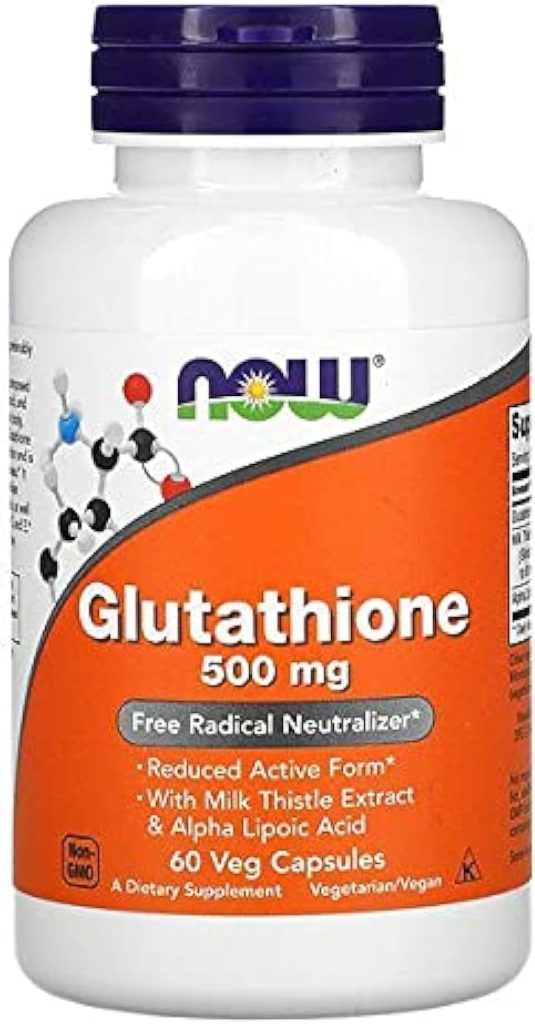
Now Foods - Glutathione Cellular Antioxidant 500 mg. - 60 Vegetarian Capsules
Brand NOW Foods Unit Count 60 Count Item Form Softgel Item Weight 0.08 Kilograms

Forms of Glutathione Supplements
Understanding the origin is important, but so is knowing the form of glutathione you’re buying. Different manufacturing methods result in different supplement types:
1. L-Glutathione (Reduced Form)
This is the most bioactive and commonly used form. It’s often labeled as “reduced glutathione” and is easily absorbed in the body.
2. S-Acetyl Glutathione
A more stable, acetylated version that protects glutathione during digestion, allowing for better absorption in the bloodstream.
3. Liposomal Glutathione
This form uses a lipid coating (liposome) to improve bioavailability and protect glutathione from degradation in the stomach.
4. Glutathione IV or Injections
This form is administered directly into the bloodstream, offering the highest bioavailability but should only be taken under medical supervision.
5 Must-Know Tips Before Buying Glutathione Supplements
Now that you know where glutathione comes from, it’s time to get smart about how to choose the best supplement. Here are five critical tips every smart shopper should follow:
Tip #1: Know the Source of Your Supplement
Not all glutathione supplements are created equal. The origin of glutathione—whether it’s derived through fermentation or chemical synthesis—can affect its purity and effectiveness.
What to Look For:
Made from fermentation using E. coli or yeast (check the label or company website).
GMP-certified (Good Manufacturing Practice).
Manufactured in countries with strict quality regulations, like the USA, Japan, or Germany.
Red Flag:
If a supplement doesn’t clearly state its origin or form, skip it. Transparency is key.
Tip #2: Choose the Right Form for Your Needs
Each form of glutathione offers different benefits depending on your goals:
For general wellness and detox: Reduced glutathione capsules work well.
For better absorption and skin benefits: Liposomal or S-acetyl glutathione is preferred.
For medical purposes: IV glutathione should be administered by a professional.
Bonus Tip:
Avoid glutathione “skin whitening soaps” or “instant pills” that don’t show clinical backing. These are often ineffective or misleading.
Tip #3: Watch Out for Fake or Low-Quality Products
Due to its popularity, glutathione supplements are a prime target for counterfeiters. Many online platforms are flooded with unregulated or fake supplements.
What to Do:
Buy only from trusted brands and authorized retailers.
Check for third-party lab testing and certifications.
Read user reviews and testimonials from verified buyers.
Trusted Brands to Consider:
Setria® Glutathione (Japan)
LivOn Labs (Liposomal)
Jarrow Formulas
NOW Foods
Tip #4: Check the Added Ingredients
Glutathione works best when combined with synergistic nutrients. Some supplements include added ingredients to enhance absorption and results.
Look for:
Vitamin C – Helps recycle glutathione and boosts skin-brightening effects.
Alpha-Lipoic Acid (ALA) – Enhances cellular antioxidant defense.
Selenium and NAC (N-Acetyl Cysteine) – Precursors to glutathione synthesis.
Avoid:
Fillers, artificial colorants, and preservatives.
Products with “proprietary blends” that hide actual dosages.
Tip #5: Understand Dosage and Duration
Taking too much glutathione doesn’t mean faster or better results. In fact, high doses over a long period can cause side effects like skin rashes, zinc depletion, or stomach upset.
Recommended Dosage:
Oral glutathione: 250–1000 mg daily
Liposomal glutathione: 250–500 mg daily
IV glutathione: Varies—only under medical supervision
Pro Tip:
Cycle your usage. Take for 1–3 months, then pause for a few weeks to allow your body to balance naturally.
Common Myths About Glutathione Origins
Let’s bust a few myths you might have come across:
Myth 1: All glutathione comes from natural plants.
Reality: Most supplements are made using fermentation, not directly extracted from plants.
Myth 2: IV glutathione is always better.
Reality: It’s more potent but also riskier and should be used only under medical guidance.
Myth 3: Cheap glutathione supplements are just as good.
Reality: Quality matters. Cheap products often contain low-quality or ineffective forms.
Why the Origin Matters
Knowing where your glutathione supplement comes from is more than just a curiosity—it’s a health necessity. Supplements that are poorly manufactured may:
Contain toxins or contaminants
Offer low bioavailability (your body can’t absorb it)
Result in no noticeable benefits
On the other hand, high-quality glutathione—especially those made via fermentation—offer:
Enhanced absorption
Better detoxification results
Visible skin improvements
Fewer side effects
Final Thoughts
Glutathione supplements can be a powerful tool for enhancing your health and appearance—but only if you know where they come from and how to choose them wisely.
To recap:
✅ Glutathione is mainly produced through microbial fermentation using safe, controlled environments.
✅ Different forms—like liposomal or reduced—have specific benefits.
✅ Choose reputable brands with transparent sourcing and lab testing.
✅ Combine glutathione with complementary nutrients like Vitamin C for best results.
✅ Watch your dosage, and always listen to your body.
Investing in your health means doing your homework. Now that you know where glutathione supplements come from and how to choose the right one, you’re well-equipped to make a smart, informed decision.
Frequently Asked Questions (FAQs)
1. Can glutathione be found naturally in foods?
Yes, foods like garlic, spinach, and avocados can help boost your body’s natural glutathione production, but they do not contain glutathione directly in supplement-grade amounts.
2. Is plant-based glutathione better than synthetic?
Most supplements are created through fermentation and are considered safe and effective. “Plant-based” labels are often marketing terms unless clearly defined.
3. Are Japanese glutathione products better?
Japan has high manufacturing standards, and products like Setria® Glutathione are well-known for purity and effectiveness.
4. Is it safe to take glutathione every day?
Yes, for most healthy individuals. However, it’s best to consult your healthcare provider, especially if you have chronic conditions or are taking medications.






Natural glutathione is much better then supliments