

Glutathione has become a buzzword in the world of health, skincare, and anti-aging. Often called the “master antioxidant,” glutathione plays a crucial role in detoxifying the body, boosting the immune system, and maintaining youthful skin. With such benefits, it’s no surprise that glutathione supplements have gained immense popularity. But while many people swear by its advantages, it’s important to understand that glutathione supplements are not for everyone.
- Who Should Not Take Glutathione Supplements?
- 1. People with Asthma
- 2. Pregnant and Breastfeeding Women
- 3. People Undergoing Chemotherapy or Radiation Therapy
- 4. People with Sulfur Sensitivity or Allergy
- 5. People with Kidney or Liver Disease (Without Medical Supervision)
- 6. Children and Adolescents
- 7. People Taking Certain Medications
- Now Foods - Glutathione Cellular Antioxidant 500 mg. - 60 Vegetarian Capsules
- Potential Side Effects of Glutathione Supplements
- Tips for Safe Glutathione Supplementation
- Natural Ways to Boost Glutathione Without Supplements
- 1. Eat Sulfur-Rich Foods
- 2. Increase Intake of Selenium and Vitamin C
- 3. Regular Exercise
- 4. Sleep Well
- 5. Reduce Alcohol and Smoking
- Final Thoughts
- Frequently Asked Questions (FAQ)
In this comprehensive guide, we’ll explore who should not take glutathione supplements, the potential risks involved, and the science behind those concerns. Whether you’re considering taking glutathione for skin lightening, immune support, or general wellness, it’s essential to know if it’s truly safe for you.

Table of Contents
Who Should Not Take Glutathione Supplements?
Although glutathione is generally considered safe for most healthy individuals, there are specific groups of people who should avoid or exercise extreme caution when considering glutathione supplementation.
1. People with Asthma
One of the most concerning side effects of glutathione supplementation—particularly when taken as a nebulized spray—is the potential to trigger asthma attacks.
Why:
Glutathione can increase airway reactivity and cause bronchospasm. Several case studies have shown that individuals with asthma who took inhaled glutathione experienced wheezing, coughing, and difficulty breathing.
Recommendation:
If you have asthma or any chronic respiratory condition, consult a pulmonologist before using glutathione, especially in inhaled form.
2. Pregnant and Breastfeeding Women
There is limited clinical data on the effects of glutathione supplements during pregnancy and lactation.
Why:
The safety of glutathione for pregnant or nursing mothers has not been well established in human studies. While glutathione exists naturally in the body, high supplemental doses may affect fetal development or breast milk composition.
Recommendation:
Avoid glutathione supplements unless prescribed by your OB-GYN. Natural ways to support your body’s antioxidant defenses—like eating fruits and vegetables—are preferable during this stage of life.
3. People Undergoing Chemotherapy or Radiation Therapy
If you are currently undergoing cancer treatment, glutathione supplements may interfere with the intended effects of therapy.
Why:
Some studies suggest that high doses of antioxidants, including glutathione, may protect cancer cells from oxidative damage caused by chemotherapy or radiation. This can potentially reduce the effectiveness of cancer treatments.
Recommendation:
Do not take glutathione unless cleared by your oncologist. In certain clinical settings, it’s used under medical supervision, but unsupervised use can be dangerous.
4. People with Sulfur Sensitivity or Allergy
Glutathione is rich in sulfur due to its cysteine component.
Why:
Individuals sensitive to sulfur-containing compounds may experience allergic reactions such as rashes, headaches, nausea, or digestive upset. In severe cases, it could trigger anaphylactic responses.
Recommendation:
If you know you have a sulfur allergy or sensitivity, avoid glutathione and speak to a healthcare provider about safer antioxidant alternatives.
5. People with Kidney or Liver Disease (Without Medical Supervision)
While glutathione is produced in the liver and supports detoxification, supplementation can put added stress on these organs if they are already compromised.
Why:
In patients with advanced liver or kidney dysfunction, glutathione supplementation could interfere with medications or lead to unwanted side effects like electrolyte imbalance.
Recommendation:
Do not take glutathione without your doctor’s guidance if you have been diagnosed with liver cirrhosis, hepatitis, chronic kidney disease, or similar conditions.
6. Children and Adolescents
Glutathione supplements are not usually recommended for people under 18 unless prescribed for specific medical conditions.
Why:
Children’s metabolic systems are still developing, and long-term effects of supplementation are unknown. Doses that may be safe for adults can be too strong for younger individuals.
Recommendation:
Stick to natural dietary sources of glutathione for children, such as broccoli, spinach, and avocados, unless a pediatrician recommends otherwise.
7. People Taking Certain Medications
Glutathione can interact with various medications, including:
Chemotherapy drugs
Nitroglycerin
Acetaminophen (in high doses)
Antipsychotics
Anti-tuberculosis drugs (like isoniazid)
Why:
It may either reduce or enhance the effects of these drugs. For example, it can make some chemotherapy drugs less effective while increasing the risk of toxicity with others.
Recommendation:
Always inform your healthcare provider about all supplements you’re taking if you’re on prescription medication. A pharmacist can also help review possible interactions.
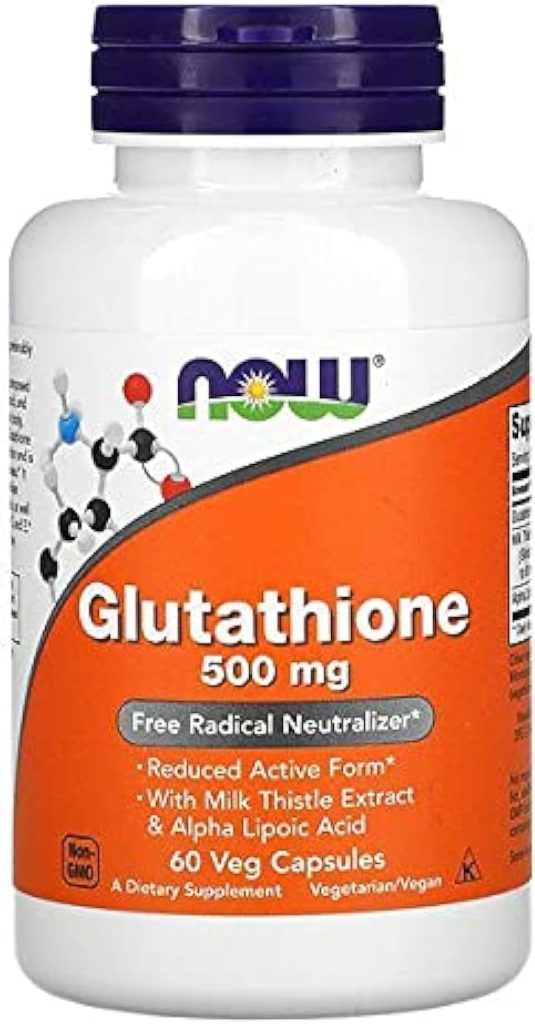
Now Foods - Glutathione Cellular Antioxidant 500 mg. - 60 Vegetarian Capsules
Brand NOW Foods Unit Count 60 Count Item Form Softgel Item Weight 0.08 Kilograms

Potential Side Effects of Glutathione Supplements
Even for those who are not in the high-risk categories above, glutathione can still cause side effects, especially when taken in large doses.
Common side effects include:
Bloating or abdominal cramps
Allergic reactions (rash, itching)
Nausea or vomiting
Headache
Skin rashes or acne (especially during detox)
In very rare cases, long-term use of high-dose glutathione may even cause:
Zinc deficiency
Skin pigmentation issues (hypopigmentation)
Hormonal imbalance
Tips for Safe Glutathione Supplementation
If you’ve consulted your doctor and are not part of the high-risk groups, here are some tips to use glutathione safely:
Start with low doses – Let your body adjust.
Choose liposomal or sublingual forms – They offer better absorption.
Avoid IV glutathione unless prescribed – IV therapy comes with added risks.
Combine with Vitamin C – This can enhance glutathione absorption and effectiveness.
Cycle your supplements – Don’t take them continuously without breaks.
Monitor for side effects – Stop use and consult a doctor if anything feels off.
Natural Ways to Boost Glutathione Without Supplements
If you fall into one of the groups who shouldn’t take glutathione supplements, there are still effective ways to raise your body’s glutathione levels naturally:
1. Eat Sulfur-Rich Foods
Garlic
Onions
Cruciferous vegetables (broccoli, kale, cabbage)
2. Increase Intake of Selenium and Vitamin C
Brazil nuts (selenium)
Citrus fruits (vitamin C)
3. Regular Exercise
Moderate exercise improves antioxidant levels over time.
4. Sleep Well
Deep sleep helps your liver regenerate glutathione.
5. Reduce Alcohol and Smoking
These deplete your glutathione reserves quickly.
Final Thoughts
Glutathione supplements offer real benefits, but they’re not universally safe. People with asthma, pregnant women, cancer patients, and those with certain medical conditions or sensitivities should avoid taking glutathione without medical supervision. Just because something is natural doesn’t mean it’s harmless for everyone.
Before starting any supplement, especially one as powerful as glutathione, always speak to a healthcare provider. A well-informed decision is your best defense against unnecessary health risks.
Frequently Asked Questions (FAQ)
Is glutathione safe for daily use?
Yes, for most healthy adults, low to moderate doses of glutathione are safe for daily use. However, it’s important to monitor for side effects and take breaks periodically.
Can glutathione lighten your skin permanently?
Glutathione may reduce melanin production and lighten skin tone over time, but results vary. Its effects are usually temporary unless maintained with lifestyle or ongoing supplementation.
Can I take glutathione with other vitamins?
Yes. It is often combined with Vitamin C, Vitamin E, and alpha-lipoic acid to enhance its effectiveness.
Are there any natural alternatives to glutathione supplements?
Yes. Eating antioxidant-rich foods, sleeping well, exercising, and avoiding toxins can all help your body produce glutathione naturally.
If you’re unsure whether glutathione supplements are right for you, consult a qualified healthcare provider before starting. When used properly, glutathione can be a powerful ally—but it’s not one-size-fits-all.