If you’ve been told to “just watch what you eat” for IBS diet, you already know how useless that advice is. Almost everything sounds like it could be a trigger — coffee, onions, apples, milk, beans, garlic, wheat. The list feels endless because it kind of is. What actually helps isn’t cutting everything out forever. It’s figuring out which specific foods your gut reacts to, and that’s a process, not a guess.
Why IBS reacts so strongly to food
IBS is a disorder of how the gut and brain communicate, and food is one of the biggest triggers because certain carbohydrates ferment in the intestine and pull water in as they move through. That combination — fermentation plus extra fluid — is what causes the bloating, cramping, gas, and irregular bowel movements that come with a flare-up.
The carbohydrates responsible for most of this have a name: FODMAPs. It stands for fermentable oligosaccharides, disaccharides, monosaccharides, and polyols — a mouthful, but the concept is simple. They’re short-chain carbs that the small intestine doesn’t absorb well, so they travel down to the colon, where gut bacteria ferment them. For most people that’s a non-event. For someone with IBS, it can set off hours of discomfort.
The three-phase approach, not a permanent restriction for ibs diet
This is the part people usually get wrong. A low-FODMAP diet isn’t something you follow for life — it’s a short, structured process with three stages, and skipping the later two is where most people go wrong.
- Phase one: elimination. You cut out high-FODMAP foods for a few weeks — think onions, garlic, wheat-based bread, apples, milk, honey, most legumes. This phase exists purely to calm symptoms down and confirm that food is actually a driver of what you’re experiencing, not something else entirely.
- Phase two: reintroduction. One FODMAP group at a time goes back in, tested in isolation over a few days, so you can see which specific ones cause a reaction and which don’t. Someone might find that lactose sets them off but fructans (found in wheat and onions) don’t bother them at all. Without this phase, you never actually learn your triggers — you just stay stuck avoiding everything.
- Phase three: personalization. You build a longer-term diet around what you’ve learned, avoiding your actual trigger foods and eating everything else normally. This is the phase most people skip straight past, staying in strict elimination mode far longer than needed — which isn’t just unnecessary, it can start crowding out fiber, calcium, and general variety from the diet.
Foods that commonly cause trouble
High-FODMAP foods cluster into a few recognizable categories: certain fruits (apples, pears, mangoes, watermelon), vegetables like onion, garlic, cauliflower, and mushrooms, wheat-based products, dairy with lactose, legumes, and sweeteners ending in “-ol” (sorbitol, mannitol) along with honey and high-fructose corn syrup. None of this means these foods are unhealthy — plenty of them are genuinely good for most people. They’re just harder to digest for someone whose gut is already reactive.
Foods that are usually well tolerated
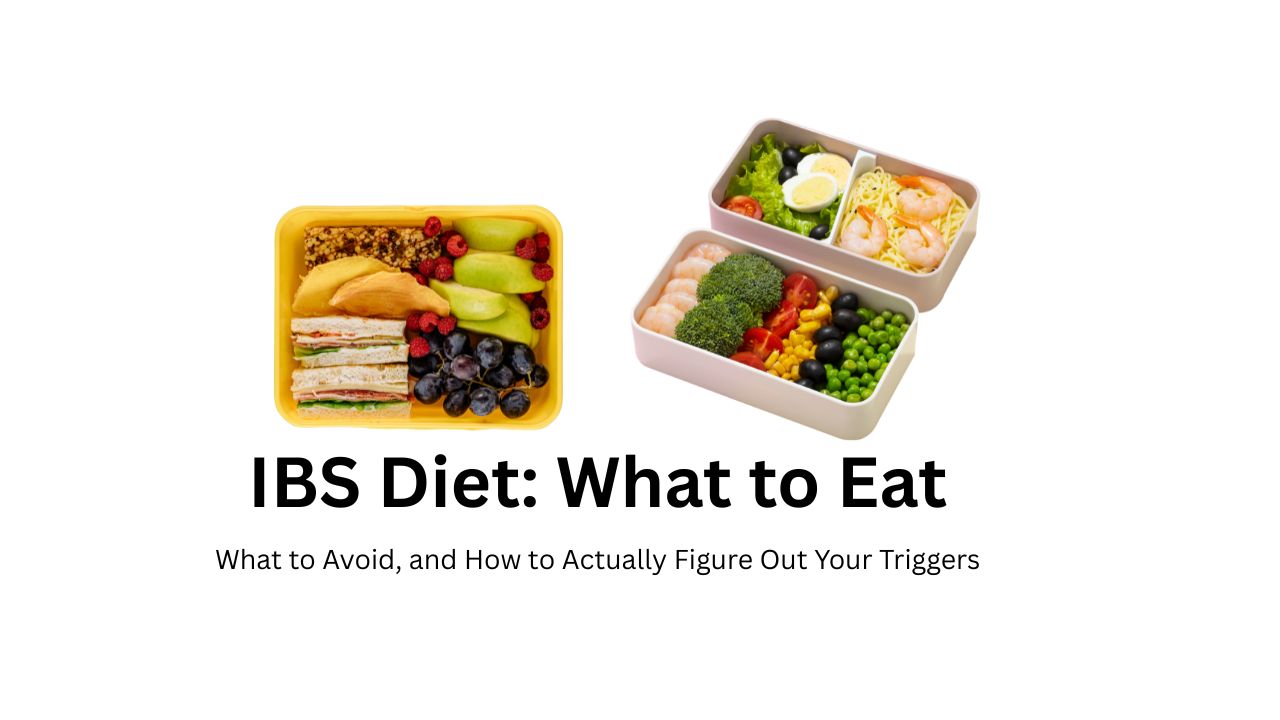
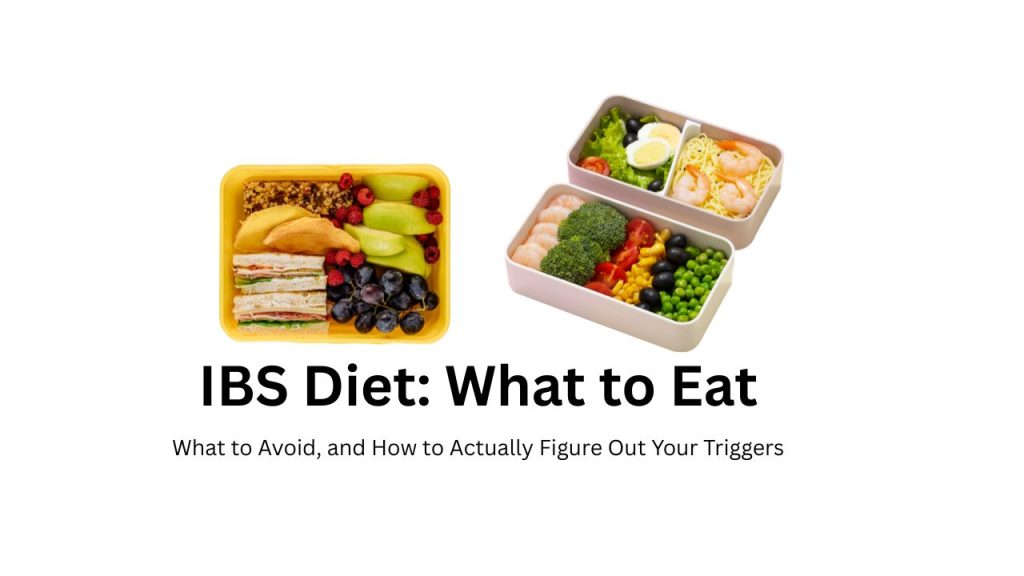
Lower-FODMAP options include most proteins (meat, fish, eggs, tofu), rice, oats, and gluten-free grains, lactose-free dairy or hard cheeses, and vegetables like carrots, zucchini, spinach, and bell peppers. Fruits like grapes, strawberries, and oranges tend to sit fine with most people on a low-FODMAP plan. These make solid building blocks for meals during the elimination phase, so you’re not stuck eating plain rice and chicken for three weeks.
One thing worth being honest about
FODMAPs aren’t the only piece of this. Caffeine, alcohol, very fatty meals, and large portions can all aggravate IBS independent of FODMAP content, and stress plays a real role in how symptoms show up too. A low-FODMAP diet can help a lot of people, but it’s not the whole picture for everyone, and it’s not meant to be done as strict long-term restriction. Research on this diet points to it being most effective — and easiest to sustain — when guided by a dietitian who can help structure the elimination phase properly and make sure reintroduction actually happens instead of stalling out indefinitely.
FAQ
How long should the elimination phase last?
Typically two to six weeks — long enough to see if symptoms genuinely improve, but not longer than needed. If there’s no change after several weeks, food likely isn’t the main driver, and it’s worth looking at other causes with a doctor.
Can I do a low-FODMAP diet without a dietitian?
You can, but it’s easy to eliminate more than necessary or stall in the restriction phase without proper guidance. A dietitian familiar with IBS can help you move through reintroduction correctly instead of getting stuck avoiding food groups you might not even react to.
Is IBS the same as food intolerance or celiac disease?
No. IBS is a functional gut disorder, not an intolerance or autoimmune condition. Some symptoms overlap, which is why ruling out celiac disease and other conditions with a doctor before starting an elimination diet is worth doing.
Do I need to avoid high-FODMAP foods forever?
No — that’s the most common misunderstanding. The goal is to identify your specific triggers during reintroduction, then eat everything else normally. Long-term blanket restriction isn’t the intended outcome and can affect nutrition and quality of life unnecessarily.
Are low-FODMAP and gluten-free the same thing?
Not exactly. Wheat is high in FODMAPs because of fructans, not gluten, so some people find wheat bothers them even without having celiac disease or gluten sensitivity. Low-FODMAP overlaps with gluten-free in some foods but isn’t the same restriction.