Menstruation is a natural part of the menstrual cycle, yet many girls and women have questions about period care, menstrual cramps, hygiene, and the foods they should eat during their period. For teenagers experiencing their first period, understanding these changes can make the experience less stressful.
Learning how to manage your period can help you feel more comfortable, maintain good hygiene, and recognize when a symptom may require medical attention.
In this guide, we will explain the early signs of menstruation, how to manage period cramps, which menstrual products you can use, and what to eat and drink during your period.
What Are the Early Signs of Your First Period?
The first menstrual period, also called menarche, usually occurs during puberty. Every girl develops at a different rate, so the timing and symptoms can vary.
Some common signs that your first period may be approaching include:
1. Breast Development
Breast development is often one of the earliest signs of puberty. The breasts may feel tender or sensitive as hormonal changes occur. However, breast itching alone does not necessarily mean that your first period is coming.
2. Vaginal Discharge
White or clear vaginal discharge is common during puberty. It helps keep the vagina healthy and may appear several months before the first period.
Normal discharge usually has little or no unpleasant smell. If it is accompanied by severe itching, burning, a strong odor, or unusual discoloration, consult a healthcare professional.
3. Other Signs of Puberty
Other signs include the growth of pubic and underarm hair, changes in body shape, and a growth spurt. Some girls also experience mild lower abdominal cramps, acne, or mood changes before menstruation.
Remember that there is no exact timeline for when your first period will begin.
How Do Female Hormones Affect the Menstrual Cycle?
Two important hormones involved in the menstrual cycle are estrogen and progesterone. Other hormones, including follicle-stimulating hormone (FSH) and luteinizing hormone (LH), also help regulate the process.
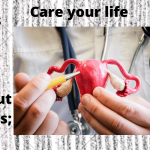
Estrogen helps the uterine lining grow during the menstrual cycle. After ovulation, progesterone helps prepare and maintain this lining in case pregnancy occurs.
If pregnancy does not occur, hormone levels fall, and the uterine lining sheds through the vagina as menstrual blood. This process is known as menstruation.
Hormonal fluctuations can also contribute to symptoms such as breast tenderness, headaches, bloating, and mood changes.
How Long Does a Period Last?
A menstrual period commonly lasts around 2–7 days, although the duration can vary from person to person.
The menstrual cycle is counted from the first day of one period to the first day of the next. For many adults, a cycle lasts approximately 21–35 days. During the first few years after menstruation begins, cycles can be less predictable.
Some people experience heavier bleeding during the first few days, followed by lighter bleeding or spotting. Others have a different pattern.
Consider speaking with a healthcare professional if your period regularly lasts longer than seven days, bleeding is unusually heavy, or your periods are accompanied by severe pain.
What Should You Use During Your Period?
Choosing the right menstrual product depends on your comfort, lifestyle, budget, and personal preferences.
1. Sanitary Pads
Sanitary pads are worn inside underwear to absorb menstrual blood. They are available in different sizes and absorbency levels.
For comfortable and hygienic use:
- Change your pad regularly and whenever it becomes saturated.
- Wash your hands before and after changing it.
- Wrap used pads and dispose of them in a waste bin rather than flushing them down the toilet.
- Choose unscented products if scented pads irritate your skin.
2. Tampons
Tampons are inserted into the vagina to absorb menstrual blood. Always follow the product instructions and use the lowest absorbency suitable for your flow.
Change tampons every 4–8 hours and never leave one in for more than eight hours. Although rare, toxic shock syndrome is a serious risk associated with tampon use.
3. Menstrual Cups
Menstrual cups are reusable products, commonly made from medical-grade silicone, that collect menstrual blood inside the vagina.
Follow the manufacturer’s instructions for insertion, removal, cleaning, and sterilization. A menstrual cup may be a cost-effective option over time, but it may take practice to use comfortably.
4. Period Underwear
Period underwear is designed to absorb menstrual blood. It can be used alone for lighter flow or as additional protection with another menstrual product.
Follow the manufacturer’s washing instructions and change the underwear when necessary.
How Can You Relieve Period Cramps?
Menstrual cramps occur when the uterus contracts to shed its lining. The pain may be felt in the lower abdomen, back, or thighs.
Here are some ways to manage common menstrual cramps.
Use a Heating Pad
Applying a warm water bottle or heating pad to your lower abdomen may help relax the muscles and relieve discomfort.
Wrap the heat source in a towel, use a comfortable temperature, and avoid falling asleep with an electric heating pad switched on.
Try Gentle Exercise
Light walking, stretching, yoga, or other gentle physical activities may help reduce cramps and improve your mood.
You do not need to exercise intensely. Choose activities that feel comfortable for your body.
Get Enough Rest
Adequate sleep and rest may help you cope with fatigue and other period symptoms. Relaxation techniques, such as deep breathing, can also be helpful.
Consider Pain Relief Medication
Nonsteroidal anti-inflammatory drugs (NSAIDs), such as ibuprofen, can help relieve menstrual cramps for many people. Paracetamol (acetaminophen) is another option for pain relief.
Always follow the package directions and ask a pharmacist or healthcare professional if you are unsure which medication is appropriate. Ibuprofen may not be suitable for people with certain stomach, kidney, bleeding, or other health conditions. Avoid taking it without medical advice if you might be pregnant or have been told not to use NSAIDs.
If cramps are severe, suddenly worsen, or interfere with everyday activities, seek medical advice rather than relying only on painkillers.
What Should You Eat and Drink During Your Period?
A balanced diet can help support your energy levels and general well-being during menstruation. You do not need a special diet, but some food choices may be particularly helpful.
1. Drink Enough Water
Staying hydrated is important throughout the menstrual cycle. Drinking water regularly may help you feel better, particularly if you experience bloating or fatigue.
Warm water is perfectly fine if you find it soothing, but there is no strong evidence that warm water is better than cold or room-temperature water for everyone.
2. Eat Iron-Rich Foods
Menstrual bleeding involves the loss of some iron. Including iron-rich foods in your diet can help maintain healthy iron levels.
Good options include:
- Spinach and other leafy green vegetables
- Lentils, beans, and chickpeas
- Lean meat and poultry
- Iron-fortified cereals
- Fish and seafood
Pairing plant-based iron sources with vitamin C-rich foods, such as oranges, guavas, or tomatoes, can improve iron absorption.
If you experience persistent fatigue, dizziness, or unusually heavy bleeding, speak with a healthcare professional about whether you need an iron assessment.
3. Include Omega-3-Rich Fish
Salmon, sardines, and other oily fish contain omega-3 fatty acids. These can be part of a balanced diet that supports overall health.
You can also obtain omega-3 fats from foods such as walnuts, chia seeds, and flaxseeds.
4. Eat Fresh Fruits
Watermelon, oranges, berries, bananas, and other fruits provide fluids, vitamins, minerals, and fiber.
Bananas and other potassium-containing foods may be useful additions to a balanced diet, while fruits with high water content can contribute to daily hydration.
5. Choose Whole Grains and Protein
Oats, brown rice, whole-grain bread, eggs, yogurt, beans, and other protein-rich foods can help you maintain a balanced diet and feel satisfied between meals.
Regular, balanced meals may also help manage hunger and energy fluctuations during your period.
Which Foods Should You Limit During Your Period?
There is no universal list of foods that everyone must avoid during menstruation. However, certain foods and drinks may worsen symptoms for some people.
1. Excessive Salt
Eating large amounts of sodium can contribute to fluid retention and bloating. If you notice that you feel more bloated during your period, consider limiting highly salted snacks, processed foods, and meals with excessive added salt.
2. Too Much Caffeine
Coffee, energy drinks, and some teas contain caffeine. High caffeine intake may affect sleep, increase feelings of anxiety, or cause discomfort in some people.
You do not necessarily need to stop drinking coffee during your period. Instead, observe how caffeine affects your symptoms and reduce your intake if needed.
3. Very Spicy Foods
Spicy foods do not automatically cause menstrual problems. However, they may worsen heartburn, nausea, or diarrhea in people who are sensitive to them.
If spicy meals upset your stomach during menstruation, choose milder foods until you feel better.
4. Excessive Alcohol
Alcohol can interfere with sleep and contribute to dehydration. Limiting or avoiding alcohol may help you feel better during your period.
Overall, focus on a balanced diet rather than unnecessarily restricting foods.
How Can You Maintain Good Period Hygiene?
Good menstrual hygiene can help you stay comfortable and reduce skin irritation.
- Change pads and other disposable products according to their instructions and your menstrual flow.
- Wash your hands before and after changing menstrual products.
- Clean the external genital area gently with water; avoid putting soap or cleansing products inside the vagina.
- Wear comfortable, breathable underwear and change it when damp or soiled.
- Keep track of your period dates, flow, and symptoms to understand your menstrual pattern.
Menstruation is a normal biological process. There is no need to feel embarrassed about discussing it with a trusted adult or healthcare professional.
When Should You See a Doctor About Your Period?
Although many period symptoms are common, some signs should not be ignored.
Seek medical advice if you experience:
- Bleeding that soaks through a pad or tampon every hour for two or more consecutive hours, especially if you feel dizzy or weak.
- Severe menstrual pain that does not improve with usual measures.
- Periods that regularly last longer than seven days.
- Bleeding between periods or after sexual intercourse.
- Unusual vaginal discharge accompanied by a strong odor, itching, or burning.
- A missed period when pregnancy is possible.
- Menstrual symptoms that significantly interfere with school, work, sleep, or everyday activities.
Seek urgent medical care for severe pain, fainting, or very heavy bleeding accompanied by weakness or shortness of breath.
Frequently Asked Questions About Period Care
1. What is the best thing to do during your period?
Stay hydrated, eat balanced meals, change menstrual products regularly, get enough rest, and use a heating pad if you experience cramps. Gentle movement may also help.
2. Is white discharge normal before your first period?
Yes. Clear or white vaginal discharge without a strong unpleasant smell is often a normal part of puberty and may appear several months before the first period.
3. How many days does a normal period last?
A typical menstrual period lasts around 2–7 days. The duration and flow can vary between individuals and from one cycle to another.
4. Can I drink cold water during my period?
Yes. Drinking cold water during menstruation is generally safe. Choose cold, warm, or room-temperature water according to your preference.
5. Which foods are best during menstruation?
A balanced diet containing fruits, vegetables, whole grains, protein, and iron-rich foods is a good choice. Fish, lentils, leafy greens, eggs, and fruit can all be included.
6. Is it normal to have mood swings during your period?
Mood changes can occur because of hormonal fluctuations and other factors, including stress and poor sleep. If mood symptoms are severe or repeatedly disrupt daily life, consider speaking with a healthcare professional.
7. Can I exercise during my period?
Yes. Walking, stretching, yoga, and other activities are generally safe during menstruation. Adjust the intensity to suit your comfort and energy levels.
Final Thoughts
Managing your period becomes easier when you understand your body’s changes and develop a menstrual care routine that works for you. Use suitable menstrual products, stay hydrated, eat balanced meals, and find ways to relieve cramps that are safe and comfortable.
Most importantly, remember that menstruation is a normal part of life. If you experience unusual bleeding, severe pain, or symptoms that concern you, seek advice from a qualified healthcare professional.
Medical disclaimer: This article is for general educational purposes only and is not a substitute for professional medical advice, diagnosis, or treatment.