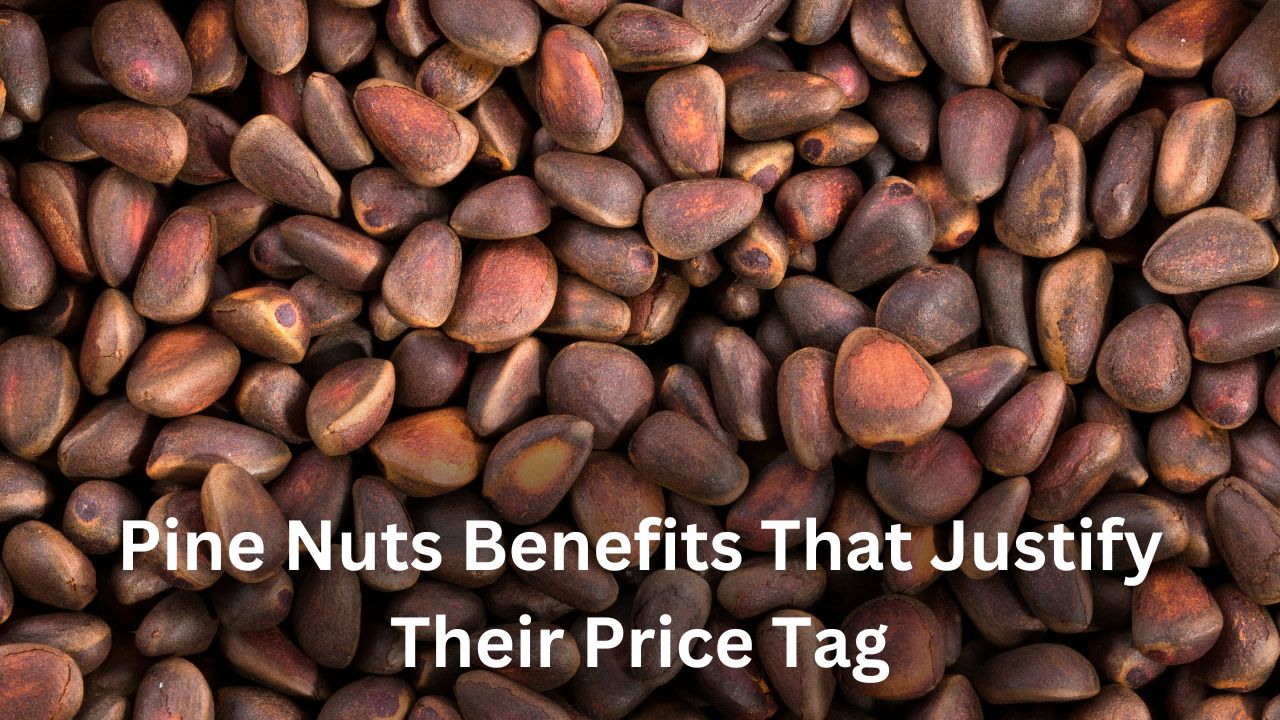
Pine nuts benefits are one of the more expensive items in the nut aisle, and there’s a reason for that beyond marketing. They come from the cones of specific pine tree species, and depending on the variety, it can take anywhere from one to three years for a cone to mature enough to harvest. The nuts then have to be extracted by hand in many cases. That slow, labor-heavy process is why a small bag costs more than almonds or cashews — but it’s also a nut worth knowing more about, since it brings more to the table than just a nutty crunch on top of pesto.
1. A Genuine Plant-Based Protein Source
Pine nuts benefits contain a solid amount of protein for a nut, which is part of why they’ve long been used in vegetarian and vegan cooking as a way to add substance to a dish. A handful tossed into a salad or grain bowl isn’t just for flavor — it’s contributing real protein alongside the fat and fiber.
2. Support Heart Health
Pine nuts are rich in monounsaturated fats, the same type of “good fat” found in olive oil and avocados. These fats are associated with supporting healthy cholesterol levels when they replace saturated fats in the diet. Swapping butter for a pine nut-based sauce, like a classic pesto, is a small but real way to shift the fat profile of a meal.
3. Help Manage Appetite
There’s a compound in pine nuts called pinolenic acid that has been studied for its potential role in triggering satiety hormones, which may help people feel fuller for longer after eating. This is part of why a small handful of pine nuts as a snack tends to be more satisfying than the same amount of, say, crackers.
4. Support Eye Health
Pine nuts benefits contain lutein, an antioxidant that accumulates in the retina and is linked to protecting eyes from age-related damage. It’s the same compound found in leafy greens like spinach and kale, so pine nuts are one of the less obvious sources of it if you’re not a big greens eater.
5. Provide Iron in a Plant-Based Form
A serving of pine nuts contains a reasonable amount of iron, which matters especially for people on vegetarian or vegan diets who don’t get iron from meat sources. Pairing pine nuts with a source of vitamin C, like a squeeze of lemon in a salad, helps the body absorb that iron more efficiently.
6. Support Bone Health
Pine nuts benefits contain vitamin K and magnesium, both of which play a role in maintaining bone density. Vitamin K in particular helps the body regulate calcium properly, directing it toward bones rather than soft tissue. It’s not a replacement for calcium-rich foods, but it rounds out a bone-supportive diet.
7. Good Source of Antioxidants
Like most pine nuts benefits, pine nuts contain antioxidants that help the body manage everyday oxidative stress. Toasting them lightly before using them in a dish, which is common in Mediterranean and Middle Eastern cooking, brings out more of their flavor without significantly affecting their nutritional value.
8. May Support Skin Health
The vitamin E content in pine nuts contributes to skin health by helping protect skin cells from oxidative damage. This is one of the quieter benefits of pine nuts — not dramatic, but consistent with what a diet rich in nuts and seeds generally does for skin over time.
9. Provide Energy-Dense Nutrition
Pine nuts are calorie-dense, which sounds like a downside until you consider who benefits from that: people needing to gain healthy weight, athletes with high energy needs, or anyone needing a compact, nutrient-rich snack while traveling or hiking. A small handful goes a long way, which is actually part of their appeal in trail mixes.
10. Add Real Culinary Value, Not Just Nutrition
This might be the most underrated “benefit” — pine nuts genuinely improve the texture and flavor of dishes in a way that encourages people to cook and eat more whole foods. Toasted pine nuts on a salad, blended into pesto, or sprinkled over roasted vegetables make simple, healthy meals taste noticeably better, which matters for people trying to eat well without feeling like they’re settling for bland food.
How to Actually Use Them : Pine nuts benefits
A realistic way to bring pine nuts into your routine without overspending: buy a small bag and use them sparingly as a finishing touch rather than a main ingredient. Toast a tablespoon in a dry pan for two or three minutes until golden, then scatter over pasta, roasted vegetables, or a green salad. Classic pesto uses pine nuts blended with basil, garlic, olive oil, and parmesan — even a small batch makes several servings’ worth. In Middle Eastern cooking, pine nuts are often sprinkled over rice dishes like Lebanese rice with vermicelli, adding crunch to an otherwise soft dish.
Because they’re expensive and have a high fat content, pine nuts also go rancid faster than other nuts. Store them in the fridge or freezer rather than a cupboard if you’re not using the whole bag right away.
A Quick Note on Caution
A small number of people experience “pine mouth,” a temporary bitter or metallic taste that can last for days after eating pine nuts, particularly certain varieties imported from specific regions. It’s not dangerous, just unpleasant, and it typically resolves on its own. As with any nut, they’re also a possible allergen for some people.
Frequently Asked Questions
Are pine nuts actually nuts? Technically, they’re seeds that come from the cones of certain pine tree species, not true nuts in the botanical sense. They’re grouped with nuts in cooking and nutrition because of how they’re used and their nutrient profile.
Why are pine nuts so expensive? The harvesting process is slow and mostly done by hand, and it can take one to three years for a pine cone to mature depending on the species. Limited global supply and labor-intensive extraction drive the price up compared to other nuts.
Can I eat pine nuts raw? Yes, pine nuts are commonly eaten raw. Toasting them lightly brings out more flavor but isn’t necessary for safety or nutrition.
How many pine nuts should I eat in a day? A small handful, around one to two tablespoons, is a reasonable serving for most people, given how calorie-dense they are.
Do pine nuts go bad quickly? Yes, compared to other nuts, pine nuts have a shorter shelf life due to their fat content. Keeping them refrigerated or frozen helps them stay fresh longer.
What’s “pine mouth” and should I worry about it? It’s a temporary bitter taste some people experience a day or two after eating pine nuts, usually linked to specific varieties. It isn’t harmful and goes away on its own within a week or two.