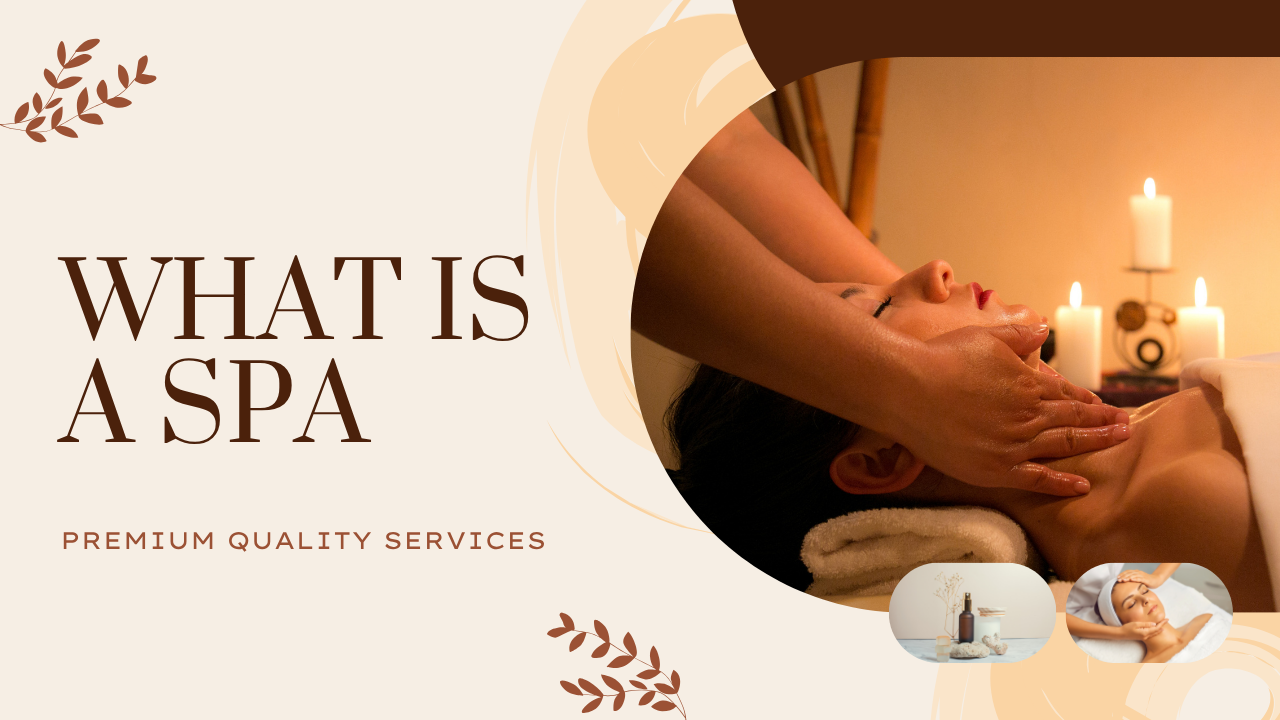
If you searched “what is a spa” and landed on a tech forum talking about JavaScript, you already know the confusion is real.
Here is the direct answer: SPA stands for three different things depending on context.
- In health and travel, a spa is a place or practice focused on water-based treatments, massage, and relaxation.
- In software, SPA means Single Page Application—a website that loads once and updates itself without full page reloads.
- In U.S. social policy, SPA is sometimes used for the Supplemental Poverty Measure, a way of calculating economic need that accounts for taxes and benefits.
This guide breaks down each one. You will learn what a spa actually is, how it works, and how to tell which definition someone means before you waste time reading the wrong article.
The Wellness Spa: Water, Touch, and Time
The word “spa” originally referred to health through water. That is why the oldest spas were built around natural mineral springs. People did not go there for scented candles. They went because the water was believed to have healing properties.
Today, the word has stretched. A modern spa is best understood as a place where you actively do something for your body and mind—through massage, beauty treatments, hydrotherapy, or simple rest. The key word is actively. A spa is not just a place you sit. It is a service you receive.
What actually happens inside a spa
A spa menu usually includes a mix of these:
Massage. Swedish, deep tissue, hot stone, lymphatic. The goal ranges from relaxation to pain relief.
Facials. Cleansing, exfoliation, extraction, and hydration for the skin. Medical spas may use clinical-grade products or devices.
Body treatments. Scrubs, wraps, and peels. A salt scrub removes dead skin. A seaweed wrap is supposed to draw out toxins (the evidence for “detox” claims is mixed, but the relaxation is real).
Hydrotherapy. This is the original spa treatment. It includes soaking in mineral baths, steam rooms, saunas, and contrast pools. A Vichy shower—where you lie on a table while multiple showerheads spray water over you—is a classic example.
Heat and cold. Saunas, steam rooms, and cold plunges. The point is not just comfort. Alternating heat and cold can help with circulation and muscle recovery.
The different types of spa (and why it matters)
Not every place called a “spa” does the same thing. The International Spa Association separates them into categories. The four you will actually encounter are:
Day spa. You go for a few hours and go home. No overnight stay. This is the most common type in cities. You book a 60-minute massage, use the sauna, and leave.
Destination spa. You go specifically for the spa. The whole trip is built around wellness programs, fitness, and education. People stay for days, sometimes weeks. The spa is the destination.
Resort or hotel spa. The spa is part of a larger hotel or resort. You are there for vacation, and the spa is one of the amenities.
Medical spa. A licensed healthcare professional supervises the treatments. This is where you find injectables, laser treatments, and clinical skin care alongside traditional spa services. It is not the same as a day spa with a nicer lighting setup.
If someone invites you to “a spa day,” ask which type. A medical spa appointment is a clinical visit. A day spa appointment is a break from your routine. The difference matters.
A Realistic Example: What a Spa First Visit Looks Like
You book a 50-minute massage at a day spa. You arrive 15 minutes early, as instructed. You fill out a form asking about injuries, allergies, and pressure preferences. You change into a robe and slippers. You wait in a quiet room with water and tea. The therapist calls your name, leads you to a treatment room, and asks what you want to focus on. You say “shoulders and neck.” Fifty minutes later, you are dressed, slightly dizzy in a good way, and drinking another glass of water. You pay and leave. Total time: about 90 minutes. That is a standard day spa visit. No mystery.
Single Page Application: The Software SPA
If you work in tech—or you are trying to hire a web developer—SPA means something completely different. A Single Page Application is a website that loads one HTML document and then updates the content inside that document using JavaScript, without asking the server for a whole new page every time you click something.
Think of the difference between a paper map and a GPS app. A traditional website is a paper map: every time you want a new view, you unfold a different map. A single-page application is a GPS app: the screen stays the same, but the map moves underneath you.
How you can tell you are using one
You click a link. The URL changes. But the page does not flash white or reload. The content swaps in. That is a SPA.
Gmail, Google Maps, and most modern social media feeds work this way. The entire application lives in your browser after the first load. The server only sends data—usually JSON—when the app needs it.
The trade-off developers actually argue about
SPAs feel fast because navigation does not trigger a full page reload. But they come with real costs.
The first load can be slow. The browser has to download a large JavaScript bundle before anything appears on screen. On a slow connection, that means a blank page for several seconds.
The back button can behave strangely. If the app does not manage browser history correctly, pressing back might exit the site instead of returning to the previous view.
Security requires more attention. More logic runs in the browser, which means more surface area for bugs. The server still needs to validate everything.
A useful rule: if the site is mostly content that people find through Google, a traditional multi-page site is simpler and safer. If the site is an interactive tool—a dashboard, an email client, a real-time editor—a SPA makes more sense.
Original insight: the SPA label is often misused
Many developers call any React or Vue project a “SPA,” but that is not automatically true. A React app can be configured for server-side rendering, in which case the first page arrives as complete HTML and the SPA behavior only kicks in afterward. That hybrid approach is increasingly common because it solves the SEO and first-load problems without giving up the smooth navigation. If someone tells you they “built a SPA,” ask whether the first render happens on the server or in the browser. The answer tells you more about the architecture than the label does.
A Realistic Example: When a SPA Is the Wrong Choice
A small bakery wants a website with five pages: Home, Menu, About, Contact, and Hours. They want the site to show up when people search “bakery near me.” A developer builds it as a single-page application with client-side routing. The site works. But Google struggles to index the menu page because the content only appears after JavaScript runs. The bakery ranks for its homepage but not for “custom birthday cakes.” A simpler multi-page site would have avoided the problem entirely. The technology was not “bad.” It was just a mismatch.
The Third Meaning: SPA as a Poverty Measure
This one rarely comes up in casual conversation, but it appears in policy research and government data. SPA is sometimes used as an abbreviation related to the Supplemental Poverty Measure (more commonly shortened to SPM). The SPM is a U.S. Census Bureau statistic that tries to measure economic need more accurately than the official poverty line. It starts with cash income, then adds non-cash benefits like food assistance and housing aid, and subtracts necessary expenses like taxes, childcare, and commuting costs.
The official poverty measure counts only cash income. The SPM tries to reflect what families actually have available to spend. If you see “SPA” in a policy document about poverty thresholds, it is almost certainly pointing to this measurement framework. If you see it in a travel brochure, it is not.
How to Tell Which SPA You Are Dealing With
You do not need to memorize definitions. You just need to read the surrounding words.
- If the text mentions massage, sauna, facial, or wellness, it is the health spa.
- If it mentions JavaScript, routing, React, or server-side rendering, it is the software SPA.
- If it mentions poverty rate, Census, benefits, or income, it is the Supplemental Poverty Measure.
That is the whole trick. Context does the work.
Frequently Asked Questions
Is a spa only for rich people?
No. Day spas range from budget-friendly walk-in places to luxury resorts. A basic massage at a local day spa can cost less than a nice dinner for two. The expensive part is often the branding, not the service itself.
What is the difference between what is a spa and a wellness center?
“Wellness center” is a broader term. It can include nutrition counseling, fitness classes, and preventive health services. A spa is more specific: it focuses on treatments like massage, hydrotherapy, and skin care. Some places use both words in their name, which tells you they are trying to cover both categories.
Do I need to tip at a spa?
In the U.S., 15–20% is standard for massage and facial services, similar to a restaurant. Check whether a service charge is already included. In many other countries, tipping is not expected at spas.
What should I bring to a spa?
Most day spas provide robes, slippers, and towels. Bring yourself, arrive early, and drink water afterward. If you have allergies or skin sensitivities, tell the therapist before the treatment starts.
Conclusion
“Spa” is a small word with three separate lives. In health and travel, it means a place built around water, touch, and rest—with real categories that matter: day spa, destination spa, resort spa, and medical spa. In software, it means a single-page application, a website that loads once and updates itself, with real trade-offs in speed and search visibility. In policy, it points to a poverty measurement that tries to count what families actually have.
The next time you see the word, look at the sentence around it. That tells you which spa you are dealing with faster than any dictionary can.