Nuru massage gets searched a lot more than it gets explained accurately. Part of the confusion comes from how differently the term is used depending on where you encounter it — a legitimate massage modality in some contexts, a euphemism for something else entirely in others. Here’s what the term actually refers to, where it came from, and why the confusion exists in the first place.
Where the Word Comes From
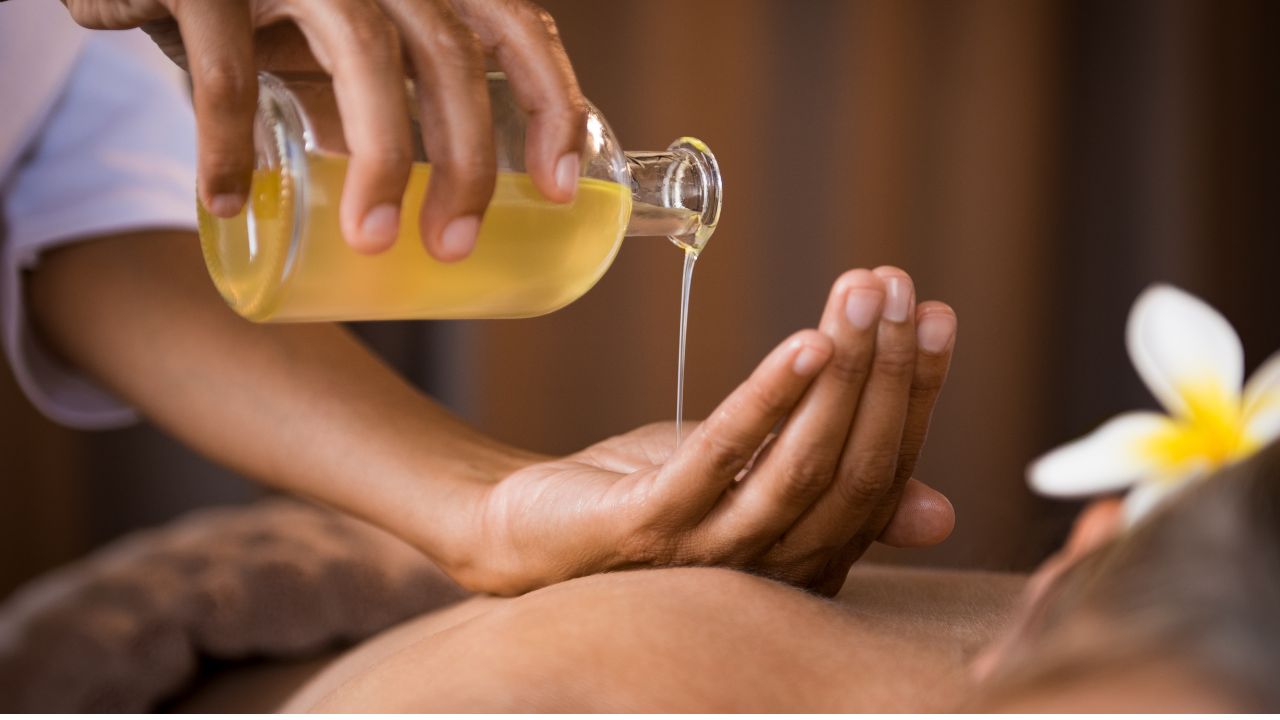
“Nuru” is Japanese for “slippery” or “slimy.” The name refers to the defining feature of this massage style: a specific type of gel, traditionally derived from seaweed extract (Nuru seaweed, harvested off the coast of Japan), that’s nearly odorless, extremely slick, and safe for direct skin contact. The gel is what separates this technique from standard massage — it allows a much smoother, gliding style of contact than oil or lotion typically permits.
How the Technique Works For Nuru Massage
In its original form, Nuru massage is a full-body technique where the practitioner uses their own body — not just hands or forearms — to apply pressure and glide across the client’s body, using the gel to reduce friction almost entirely. It’s meant to feel less like the targeted pressure of a deep-tissue session and more like a continuous, flowing full-body glide.
The gel itself is the practical foundation of the technique. It’s typically colorless, doesn’t stain sheets or clothing as easily as oil, and rinses off cleanly with water rather than leaving residue behind. Some practitioners warm the gel slightly before application, since a cold gel against skin can undercut the relaxing effect the technique is going for.
Why It’s Often Associated With the Adult Industry
This is the part most articles either skip or get vague about, so it’s worth being direct: the term “Nuru massage” is widely used in the sex industry, particularly in massage parlors advertising erotic or “sensual” services, where it’s used as a marketing term rather than a reference to the traditional Japanese bodywork technique. This association is strong enough in some regions that searching the term returns mostly adult-services listings rather than legitimate spa offerings.
This doesn’t mean the original technique isn’t real or practiced legitimately — it is, particularly in parts of Japan and in some Western spas that offer it as a specialty full-body treatment, sometimes under alternate names to avoid the association. But it does mean that if you’re looking for the traditional wellness version, you’ll need to be specific and check credentials carefully, since the name alone doesn’t guarantee what kind of establishment you’re dealing with.
What to Look For in a Legitimate Setting
If you’re specifically trying to find a licensed spa offering the traditional technique rather than something advertised through adult-services channels, a few signals help:
- The business is a licensed massage establishment, and the practitioner holds a valid massage therapy license in that state or country
- Pricing and services are listed transparently, similar to other spa treatments, rather than vaguely worded
- The spa can describe the technique in terms of the gel, the full-body gliding method, and its Japanese origin — not in euphemistic language
Licensing requirements for massage therapists (covered in general licensing guides) still apply here — a legitimate practitioner offering this as a specialty technique is still operating under the same professional and legal standards as any other massage modality.
FAQ
Is Nuru massage legal?
The traditional technique itself is legal wherever standard massage therapy is legal and performed by a licensed practitioner. However, because the term is also used to market illegal sexual services in some establishments, legality depends entirely on what’s actually being offered and by whom — not on the name of the technique itself.
What is Nuru gel made of?
Traditionally, it’s derived from a specific type of seaweed harvested in Japan, though some modern versions use synthetic alternatives designed to mimic the same slick, hypoallergenic texture.
Is Nuru massage the same as a regular massage?
No. The gliding, full-body technique and the specialized gel distinguish it from standard Swedish or deep-tissue massage, which rely on oil or lotion and more targeted pressure work.
Why is it hard to find a legitimate Nuru massage provider?
Because the term is heavily used in adult-services advertising in many regions, it’s often difficult to distinguish legitimate wellness offerings from unrelated services using search alone. Checking for proper licensing is the most reliable filter.