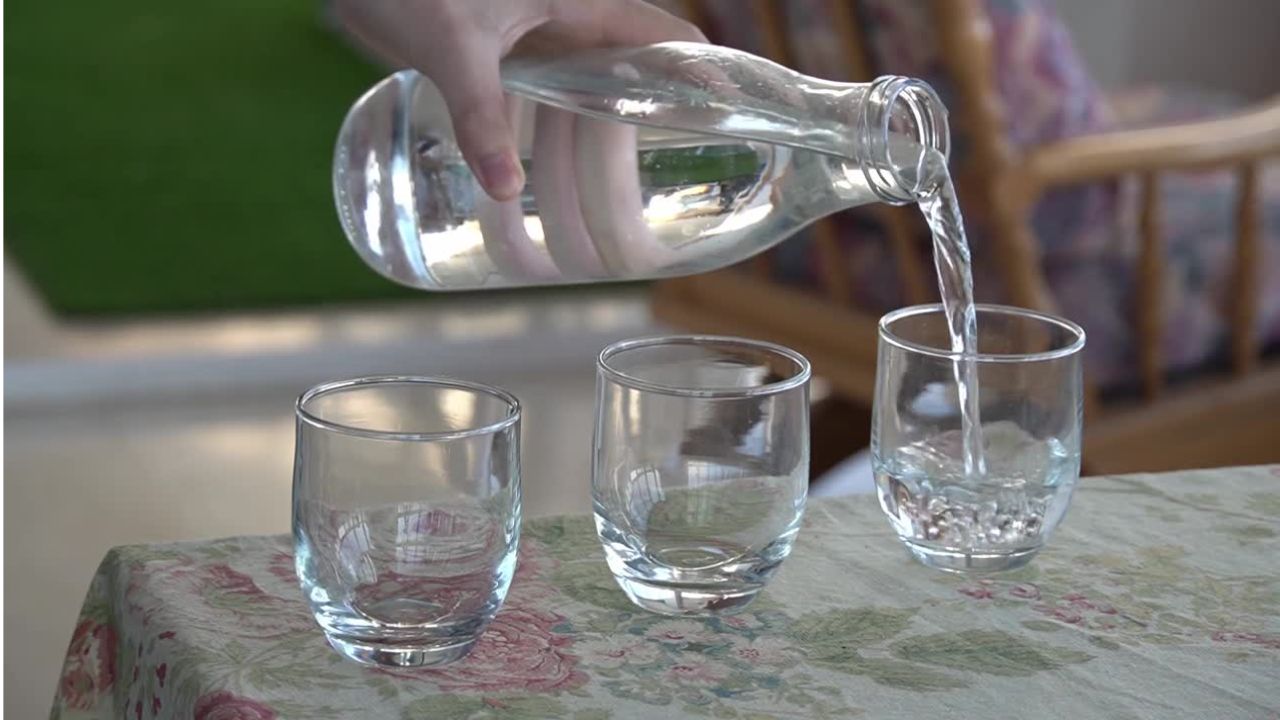
Yes, you can drink distilled water, and it won’t hurt you. But there’s more to the story than a simple yes, because distilled water isn’t quite the same as the water coming out of your tap or the bottle you grabbed at the gas station. It’s missing something most other drinking water has: minerals.
That missing piece is really what all the debate comes down to.
Table of Contents
What Makes Distilled Water Different
Distillation is a purification process where water is boiled into steam and then condensed back into liquid, leaving behind everything that doesn’t evaporate — minerals, salts, heavy metals, bacteria, and most contaminants. What you’re left with is about as pure as water gets. It’s why hospitals use it for medical equipment and why it’s the standard choice for steam irons and CPAP machines: no mineral buildup, no scale, no residue.
Regular tap water, spring water, and mineral water all carry trace amounts of calcium, magnesium, potassium, and sodium. Some of that comes from the source itself, and some is added back during municipal treatment. Distilled water has none of it. It’s essentially H2O and nothing else.
Is It Safe to Drink Regularly?
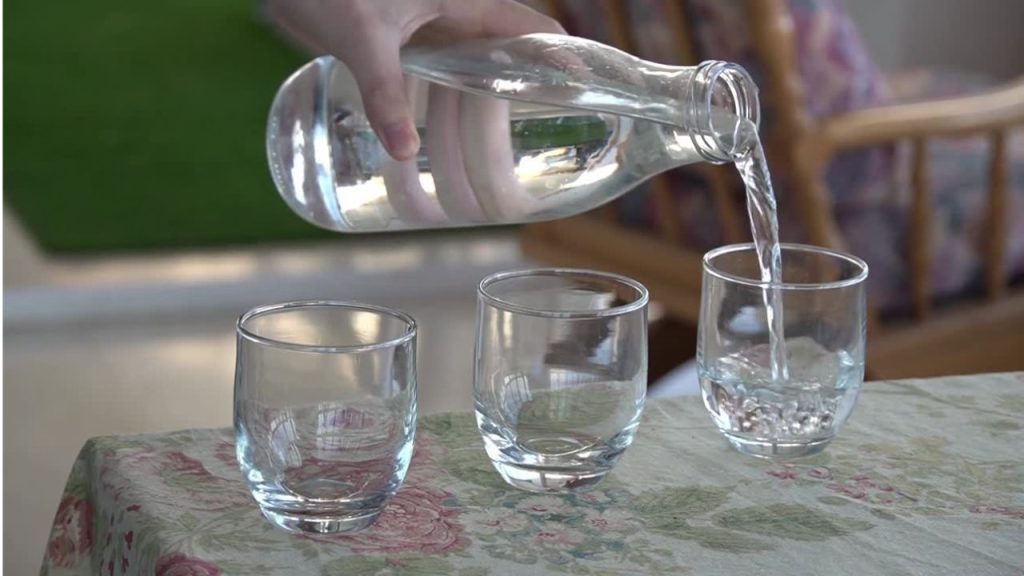
For most healthy adults, yes. Drinking distilled water occasionally or even as your main water source for a while isn’t going to cause harm. The bigger question is whether it’s the best choice long-term, and that’s where opinions get more nuanced.
The minerals in regular drinking water make up a small fraction of what your body needs daily — most of your calcium, magnesium, and potassium comes from food, not water. So switching to distilled water doesn’t put you at meaningful risk of a mineral deficiency if your diet is otherwise reasonable.
That said, there are a couple of things worth knowing:
Distilled water has a flat, almost empty taste to a lot of people, since the minerals that give tap and mineral water their subtle flavor are gone. Some people find it less satisfying to drink for that reason alone.
It’s also slightly acidic compared to mineral water, because without dissolved minerals to buffer it, distilled water tends to absorb a small amount of carbon dioxide from the air, nudging its pH down. This isn’t dangerous, but it’s part of why it doesn’t taste like much.
There’s also a theory, discussed in nutrition circles, that very pure water can pull minerals out of your body as it passes through, since water naturally seeks equilibrium with dissolved substances around it. In practice, this effect is minor for someone eating a normal diet, but it’s one reason distilled water isn’t typically recommended as someone’s only water source over the long term, especially for people who don’t eat a varied diet or who have existing mineral deficiencies.
Who Should Be More Careful
People on very restricted diets, athletes who sweat heavily and lose a lot of electrolytes, or anyone managing an existing electrolyte imbalance should probably lean toward mineral or spring water instead of distilled, or at least make sure they’re replacing electrolytes through food or supplements. It’s also worth mentioning to a doctor if you’re on a specific renal or cardiac diet, since some of those plans are built around specific mineral intake targets.
For everyone else — someone drinking distilled water because their fridge dispenser uses it, or because they bought a home distiller for other reasons — there’s no real cause for concern.
A Realistic Example
Say you own a home water distiller you originally bought for your steam iron and decided to start drinking from it too, since it’s already sitting on the counter. Over a few months of using it as your main drinking water alongside a normal, varied diet — vegetables, dairy, some meat — you’re very unlikely to notice any difference in how you feel. Your body pulls its minerals from food far more efficiently than from water anyway. The only thing you might actually notice is that plain water starts to taste a little flat, which is why plenty of people who drink distilled water long-term add a pinch of mineral drops or a slice of lemon just to bring some flavor back.
Distilled vs. Other Types of Water
It helps to see where distilled water sits next to the alternatives:
Tap water carries trace minerals and, depending on your area, some level of chlorine or fluoride from treatment. Spring water is naturally filtered through rock and soil, picking up minerals along the way, which is part of why it has a distinct taste from source to source. Mineral water goes a step further, with certified mineral content that’s often listed right on the label. Distilled water sits at the opposite end — no minerals, no additives, just water in its most basic form.
None of these are “bad” for you. They just serve slightly different purposes depending on what you’re prioritizing: taste, mineral content, purity, or cost.
FAQ
Does distilled water taste different from regular water? Yes. Most people describe it as flat or slightly empty-tasting, since the minerals responsible for the subtle taste of tap or mineral water aren’t present.
Can babies drink distilled water? Distilled water is sometimes recommended specifically for mixing infant formula because it lacks contaminants and excess minerals, but it’s worth checking with a pediatrician, since formula itself is usually formulated to supply the minerals a baby needs.
Is distilled water better than filtered water? Not necessarily better — just different. Filtered water typically removes chlorine, sediment, and some contaminants while keeping minerals intact. Distilled water removes virtually everything, minerals included. Which one is “better” depends on what you’re trying to avoid or preserve.
Can drinking only distilled water cause mineral deficiencies? Unlikely for someone eating a normal, varied diet, since most dietary minerals come from food rather than water. It becomes more of a concern for people with already restricted diets or specific health conditions.
Why do hospitals and labs use distilled water instead of tap water? Because it’s free of minerals and contaminants that could interfere with medical equipment, lab results, or sterile procedures. The same purity that makes it slightly bland to drink is exactly what makes it useful in clinical settings.
Conclusion
Distilled water isn’t harmful, and there’s no need to avoid it if it’s what you have on hand. The main trade-off is taste and the small amount of minerals you’re missing out on, neither of which matters much if your diet covers the basics. If you’re drinking it because it’s convenient, that’s a perfectly fine reason. If you’re relying on it exclusively for the long haul, it’s worth keeping an eye on your overall diet, or mixing in mineral or spring water now and then just to cover your bases.