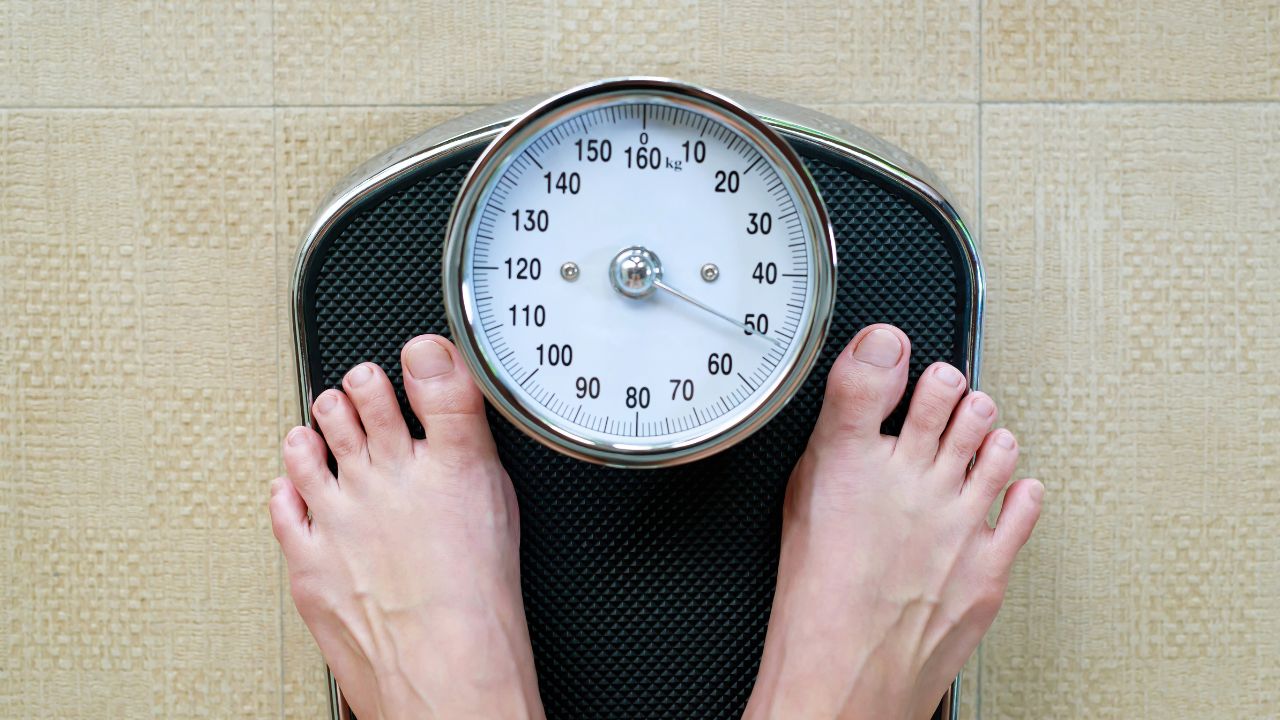
For every article telling people how to lose weight, there’s a much smaller group of people quietly struggling with the opposite problem — eating what feels like a lot, working out, and still not seeing the scale move. It’s a real issue, and it’s often dismissed with unhelpful advice like “just eat more,” which ignores the fact that some people genuinely have a hard time eating enough, especially if they have a fast metabolism, a physically demanding job, or a small appetite to begin with.
But in this post, you will learn about How to gain weight. Gaining weight, especially the kind you actually want — muscle and healthy mass, not just bloating — comes down to a few things working together: eating more than your body burns, giving it a reason to build muscle rather than store fat, and being consistent enough for long enough to see results.
Why “Just Eat More” Doesn’t Always Work
The advice isn’t wrong, but it’s incomplete. Your body needs to take in more calories than it burns in a day in order to gain weight — that part is basic and true. The problem is that a lot of people who “eat a ton” and still don’t gain are underestimating how much they’re actually eating, or they’re eating inconsistently, with big meals some days and skipped ones on others that average out to roughly maintenance.
Tracking food intake for even a week, using a free app or just a notes file, tends to be eye-opening. People are often surprised to find they’re eating a few hundred calories less than they assumed, especially if meals are irregular or appetite naturally drops later in the day.
Focus on Nutrient-Dense, Calorie-Dense Food
The goal isn’t just “more calories” — it’s more calories from food that also supports muscle growth and overall health, rather than filling up on low-effort junk that leaves you sluggish.
Good calorie-dense options include nuts and nut butters, whole milk or full-fat dairy, olive oil drizzled over meals, avocado, dried fruit, granola, and starchy carbs like rice, potatoes, and oats. These pack in calories without requiring you to eat an overwhelming volume of food, which matters a lot for people who struggle with appetite.
Protein deserves specific attention here, since it’s what your body actually uses to build new muscle tissue rather than just storing extra calories as fat. Chicken, eggs, fish, beans, lentils, Greek yogurt, and dairy are reliable sources. A common target discussed in nutrition and strength training circles is somewhere around 1.6 to 2.2 grams of protein per kilogram of body weight per day for people trying to build muscle, though individual needs vary and a dietitian can help fine-tune that for your specific situation.
Eat More Often, Not Just More at Once | How to gain weight
If your appetite is the limiting factor, three large meals a day can feel impossible to push through. Spreading food across five or six smaller meals and snacks tends to be far more manageable, since you’re not forcing yourself to eat past comfort in one sitting.
Liquid calories help a lot here too. A smoothie with milk, oats, peanut butter, and a banana can pack several hundred calories in a few minutes of prep and is much easier to get down than an equivalent plate of solid food, especially earlier in the day when appetite is often lower.
Strength Training Matters More Than People Think
Eating a surplus without resistance training tends to add weight in the form of fat, which isn’t usually the goal for someone trying to “gain weight” in the way most people mean it. Lifting weights — even a basic routine two to three times a week covering major muscle groups like legs, back, chest, and shoulders — gives your body a reason to direct those extra calories toward building muscle instead of just storing fat.
You don’t need a complicated program to start. Compound movements like squats, deadlifts, bench presses, rows, and overhead presses cover most of what matters, and progressively adding a little more weight or a rep over time is what actually drives growth, rather than switching exercises constantly.

A Realistic Example
Take someone who’s 20 years old, naturally lean, works a physically active job on their feet all day, and has tried to gain weight for over a year without much success. On paper, they’re eating three solid meals a day and think that should be plenty. After tracking food for a week, it turns out their intake averages close to maintenance calories, not a surplus — the job is burning more than they realized, and dinner, their biggest meal, often gets skipped on double-shift days.
The fix in a case like this usually isn’t a dramatic diet overhaul. It’s adding a couple of calorie-dense snacks between meals — a handful of almonds, a smoothie, a bagel with peanut butter — and being more consistent about not skipping meals on busy days. Paired with a simple two-to-three-day-a-week strength routine, steady, gradual weight gain over a few months is a realistic outcome, rather than anything dramatic happening overnight.
How Fast Should You Expect to Gain Weight?
Slow and steady is genuinely the better approach here, even though it’s tempting to want faster results. Gaining too quickly, especially through a large calorie surplus without training, tends to add more fat than muscle. A more moderate pace gives your body time to build muscle alongside the added weight, and it’s easier to sustain without your appetite completely rebelling against you.
Patience matters more here than people expect — visible changes in strength often show up before the scale moves much, and that’s a good sign your training is working even if the number feels slow to shift.
FAQ
Why can’t I gain weight even though I eat a lot? Often it comes down to underestimating actual intake, inconsistent eating (big meals some days, skipped ones on others), or a naturally high calorie burn from an active job or fast metabolism. Tracking food for a week is usually the fastest way to find out what’s really going on.
Do I need to eat junk food to gain weight? No, and it’s not the healthiest way to do it even if it technically adds calories. Nutrient-dense, calorie-dense foods like nuts, whole dairy, oats, and healthy oils get you there without the energy crashes and poor nutrition that come with relying mainly on processed food.
How much protein do I need to gain muscle, not just fat? A commonly discussed range is around 1.6 to 2.2 grams per kilogram of body weight daily for people actively strength training, though this can vary by individual, so it’s worth checking with a dietitian for something tailored to you.
Is it possible to gain weight without going to the gym? Yes, but the added weight is more likely to be fat rather than muscle without resistance training. If muscle is the goal, some form of strength training makes a real difference in how your body uses the extra calories.
How long does it take to see noticeable results? It varies by person, but many people trying to gain weight steadily start noticing changes in strength within a few weeks and visible changes in body composition somewhere around two to three months of consistent eating and training.
Conclusion
Gaining weight in a way that actually feels good comes down to eating a real, consistent surplus of nutrient-dense food, prioritizing protein, and giving your body a reason to build muscle through regular strength training. It’s rarely as simple as “eat more” in the moment it’s said, but it’s also not complicated once you know what to actually track and adjust. Give it a few consistent months rather than expecting fast results, and the changes tend to show up — first in strength, then eventually on the scale.