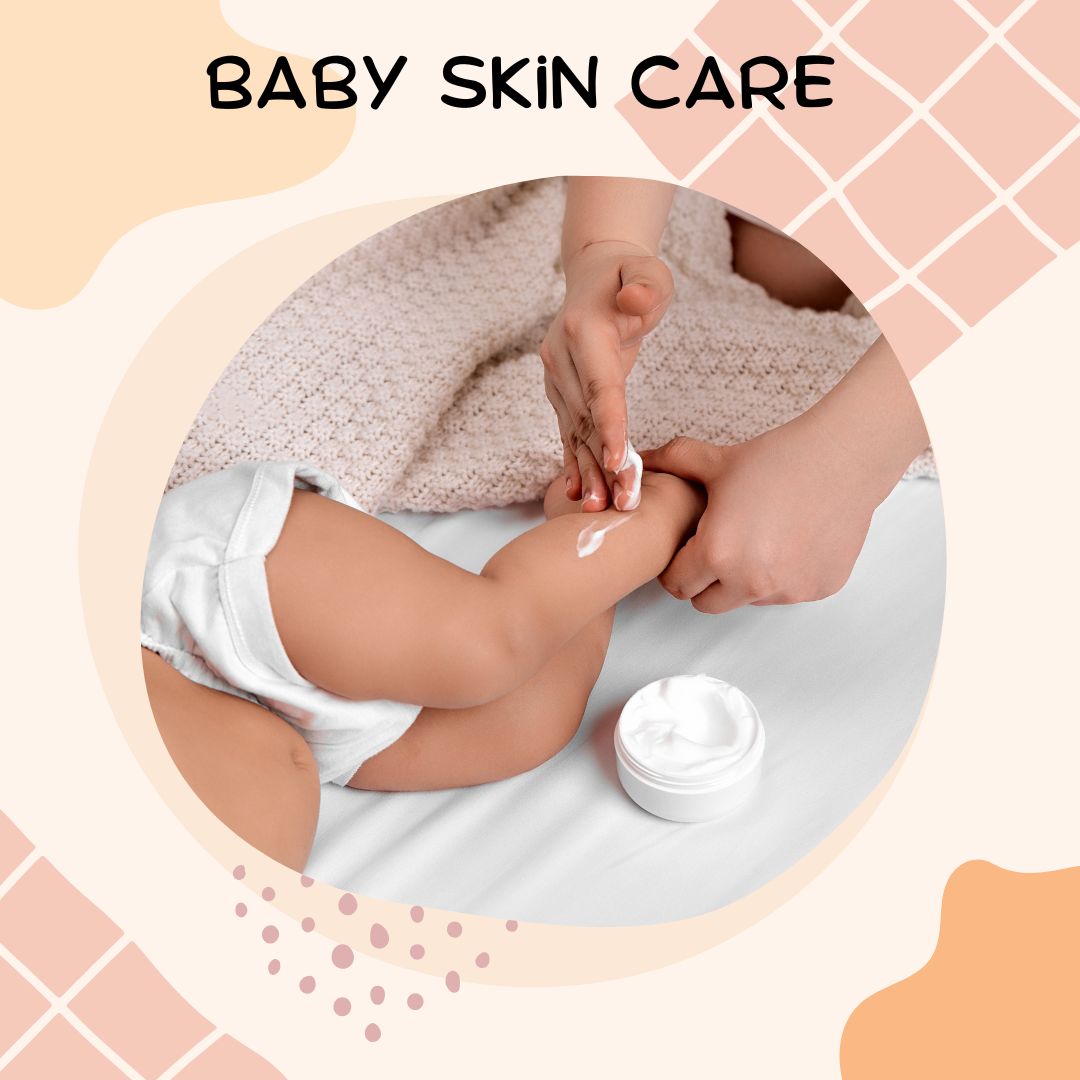
Baby Skin Care
Caring for a baby’s skin can be a daunting task, especially if you are not accustomed to handling such a delicate part of your child’s body. At this time in life, a baby‘s skin is much thinner and more sensitive than an adult’s; it is also more prone to irritation than an adult. This means that babies will require special attention when caring for their skin in order to keep it in good condition.
As a parent, you may have questions about how to properly care for your baby’s skin. You should know what products are safe to use as well as how best to avoid some common skin problems that many babies have such as diaper rash and eczema.
This guide will provide an extensive overview of caring for the skin of your child, including how to develop a suitable daily skincare routine. The information contained in this guide will provide you with practical solutions and professional support on keeping your baby’s skin clean and healthy.
Table of Contents

Understanding Baby Skin
Baby skin is significantly different from adult skin. It is approximately 20–30% thinner and loses moisture more quickly. Because the skin barrier is still developing, babies are more susceptible to dryness, irritation, and environmental damage.
Key Characteristics of Baby Skin
- Thinner and more delicate than adult skin
- More prone to moisture loss
- Sensitive to harsh chemicals and fragrances
- Vulnerable to rashes and irritation
- Requires gentle cleansing and moisturizing
Understanding these characteristics helps parents choose the right skincare products and routines for their babies.
Why Baby Skin Care Is Important
Proper baby skin care is essential because healthy skin acts as a protective barrier against bacteria, allergens, and environmental irritants.
Benefits of proper baby skin care include:
- Preventing dryness and irritation
- Reducing the risk of diaper rash
- Supporting healthy skin barrier development
- Protecting against infections
- Improving overall comfort and well-being
Consistent skin care can help your baby feel comfortable and happy throughout the day.
Daily Baby Skin Care Routine
Creating a simple and effective baby skin care routine can make a significant difference in maintaining healthy skin.
1. Gentle Cleansing
Babies do not need frequent bathing. In fact, bathing too often can strip the skin of natural oils.
Bathing Tips
- Bathe your baby 2–3 times per week
- Use lukewarm water
- Keep bath time between 5–10 minutes
- Use mild baby cleansers
- Avoid products with harsh chemicals
After bathing, gently pat the skin dry instead of rubbing.
2. Moisturizing
Moisturizing helps lock in hydration and protect the skin barrier.
How to Moisturize Properly
- Apply moisturizer immediately after bathing
- Use fragrance-free baby lotion or cream
- Focus on dry areas such as elbows and knees
- Reapply if skin becomes dry throughout the day
For babies with eczema-prone skin, thicker creams are often more effective than lotions.
3. Diaper Area Care
The diaper area is one of the most sensitive parts of a baby’s body.
Diaper Care Tips
- Change diapers frequently
- Clean gently with water or baby wipes
- Allow skin to air dry
- Apply diaper rash cream when needed
- Avoid tight-fitting diapers
Proper diaper hygiene can significantly reduce the risk of diaper rash.
4. Sun Protection
Babies have extremely sensitive skin that can burn easily.
Sun Safety Guidelines
- Keep babies under six months out of direct sunlight
- Use protective clothing
- Choose wide-brimmed hats
- Stay in shaded areas
- Use baby-safe sunscreen for older infants as recommended
Sun protection is crucial for preventing skin damage and maintaining healthy skin.
Common Baby Skin Problems and Solutions
Many babies experience temporary skin conditions during infancy.
Diaper Rash
Diaper rash is one of the most common skin issues in babies.
Causes
- Prolonged moisture exposure
- Friction
- Sensitive skin
- Diarrhea
- Certain foods
Treatment
- Frequent diaper changes
- Barrier creams containing zinc oxide
- Air exposure
- Gentle cleansing
Most cases improve within a few days with proper care.
Dry Skin
Dry skin is common, especially during winter months.
Causes
- Cold weather
- Low humidity
- Frequent bathing
- Harsh soaps
Solutions
- Use moisturizing creams
- Limit bath time
- Use lukewarm water
- Run a humidifier indoors
Keeping skin hydrated is the key to preventing dryness.
Baby Eczema
Eczema causes dry, itchy, and inflamed skin.
Symptoms
- Red patches
- Dry skin
- Itching
- Irritation
Management
- Use fragrance-free products
- Moisturize regularly
- Avoid known triggers
- Consult a pediatrician if symptoms worsen
Early management can help reduce discomfort and flare-ups.
Heat Rash
Heat rash occurs when sweat becomes trapped under the skin.
Prevention
- Dress babies in lightweight clothing
- Keep rooms cool
- Avoid overdressing
- Use breathable fabrics
Heat rash usually resolves on its own once the skin cools down.
Choosing the Best Baby Skin Care Products
Not all skincare products are suitable for babies.
What to Look For
Choose products that are:
- Hypoallergenic
- Fragrance-free
- Dermatologist-tested
- Pediatrician-recommended
- Free from harsh chemicals
Ingredients to Avoid
- Artificial fragrances
- Parabens
- Sulfates
- Alcohol
- Harsh preservatives
Reading labels carefully can help protect your baby’s sensitive skin.
Natural Baby Skin Care Tips
Many parents prefer natural approaches to baby skincare.
Safe Natural Practices
- Use soft cotton clothing
- Maintain proper hydration
- Keep nails trimmed
- Use gentle detergents
- Avoid excessive product use
Remember that “natural” does not always mean safer. Always test new products carefully.
Seasonal Baby Skin Care Tips
Summer Skin Care
Summer weather can increase sweating and irritation.
Recommendations
- Keep baby cool
- Use breathable fabrics
- Stay hydrated
- Protect from sun exposure
Winter Skin Care
Cold weather often causes dryness.
Recommendations
- Apply moisturizer more frequently
- Use humidifiers
- Avoid very hot baths
- Dress appropriately for the weather
Seasonal adjustments help maintain healthy skin year-round.
Baby Skin Care by Age
Newborn Skin Care (0–3 Months)
Newborn skin requires extra gentleness.
Tips
- Limit baths
- Use plain water when possible
- Avoid unnecessary products
- Moisturize dry patches
Infant Skin Care (3–12 Months)
As babies grow, their skin becomes slightly stronger.
Tips
- Maintain a regular skincare routine
- Introduce baby-safe products gradually
- Continue sun protection
Toddler Skin Care
Toddlers become more active and exposed to environmental irritants.
Tips
- Encourage hand washing
- Continue moisturizing
- Protect skin during outdoor activities
Signs Your Baby Needs Medical Attention
While most skin issues are harmless, some require professional evaluation.
Consult a pediatrician if your baby has:
- Severe rash
- Persistent eczema
- Signs of infection
- Fever with rash
- Skin swelling
- Bleeding or oozing lesions
Early medical attention can prevent complications.
Frequently Asked Questions About Baby Skin Care
How often should I bathe my baby?
Most babies only need bathing two to three times per week.
What is the best moisturizer for babies?
Fragrance-free, hypoallergenic creams are generally recommended.
Is baby powder safe?
Many experts recommend avoiding talcum powder due to inhalation risks.
How can I prevent diaper rash?
Frequent diaper changes, gentle cleansing, and barrier creams help prevent diaper rash.
When can babies use sunscreen?
Consult your pediatrician, but sunscreen is generally recommended for babies older than six months.
Final Thoughts
Baby skin care doesn’t have to be complicated. The key is consistency, gentleness, and choosing products designed specifically for sensitive infant skin. A simple routine that includes gentle cleansing, regular moisturizing, proper diaper care, and sun protection can help keep your baby’s skin healthy and comfortable.
By understanding your baby’s unique skincare needs and responding quickly to signs of irritation, you can build a strong foundation for lifelong skin health. Remember that every baby is different, so observing how your baby’s skin reacts to products and environmental factors is essential.
Healthy skin contributes to a happy baby, and with the right care, your little one’s skin can remain soft, protected, and beautiful throughout every stage of growth.
Conclusion
Baby skin care is an essential part of keeping your child healthy and comfortable. Because baby skin is delicate and sensitive, it requires gentle cleansing, regular moisturizing, appropriate sun protection, and careful attention to common skin concerns.
Whether you’re dealing with dry skin, diaper rash, eczema, or simply creating a daily skincare routine, consistency and simplicity are key. By choosing baby-friendly products, maintaining healthy skincare habits, and responding quickly to skin issues, parents can help support healthy skin development during the most important early years of life.
With the right care, your baby’s skin can remain soft, healthy, and protected as they grow and explore the world around them.