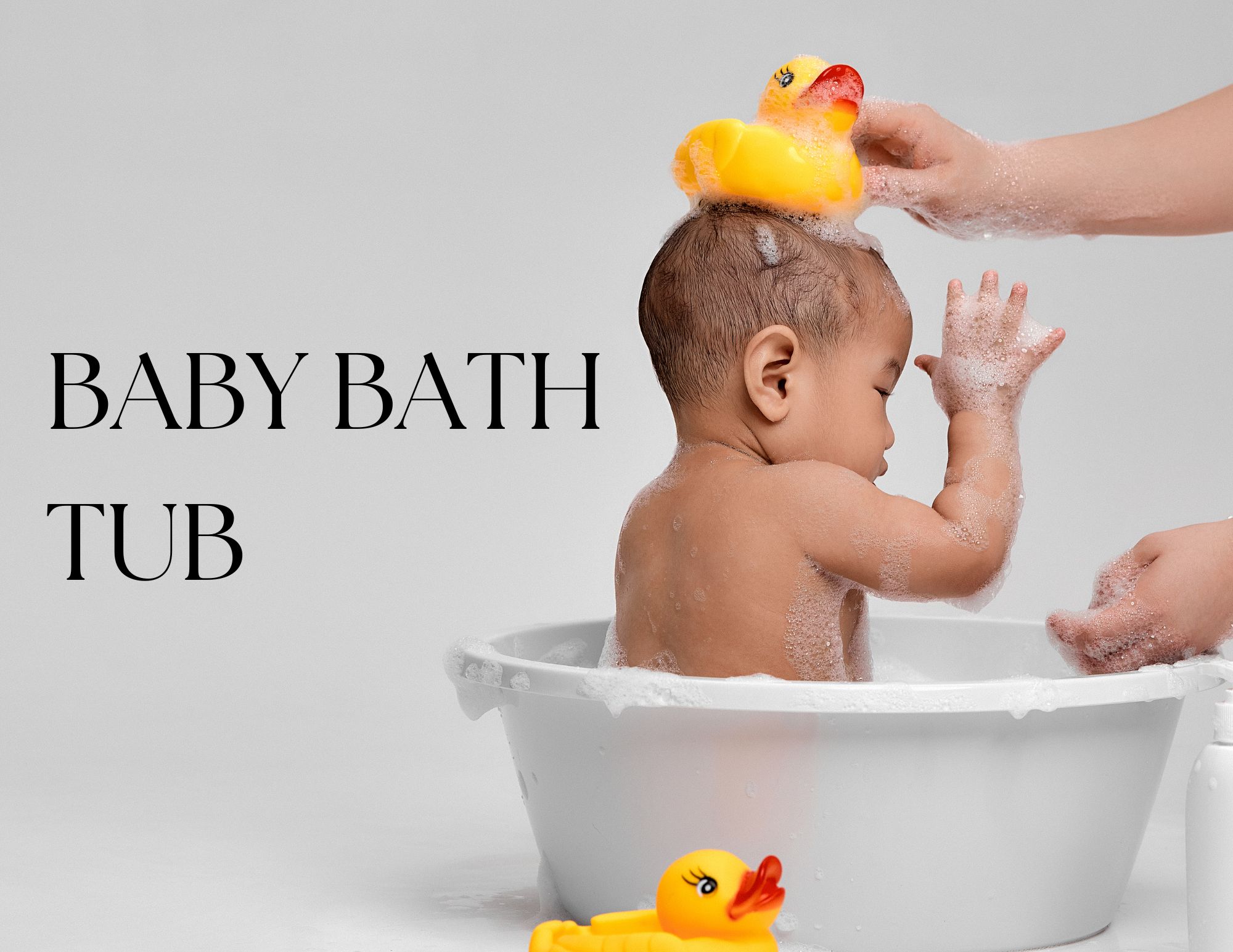
When taking care of babies, giving them a bath is one of the most important things parents will do for their babies every day. Not only is this part of the baby’s daily routine, but it also keeps the baby clean, healthy, and comfortable and allows for the development of bonding between the parent and baby. In addition, giving a baby a bath can be very difficult at times, especially if you are a first-time parent. This is where a baby bath is an essential item for taking care of your child.
A baby bath is specifically designed with the safety and comfort of infants and very young children in mind. A baby bath will give an infant more or better support when bathing than would a regular bathtub. Additionally, baby baths will help reduce the risk of slipping, and they will help make bathing the baby easier for parents.
This guide will provide you with information on baby bath tubs. In this guide we will cover the benefits of using baby bath tubs, the different types of baby bath tubs available, the features of each, safety tips for using baby bath tubs, how to properly clean baby bath tubs, and how to select a baby bath tub that will meet the needs of your baby.
Table of Contents

What Is a Baby Bath Tub?
A baby bath tub is a specially designed bathing container created to safely hold infants and young children during bath time. These tubs are smaller than standard bathtubs and are designed with baby-friendly features such as non-slip surfaces, ergonomic shapes, and supportive backrests.
Baby bath tubs are available in various sizes, styles, and materials, making it easy for parents to find the perfect option for their child’s age and needs.
Why Do You Need a Baby Bath Tub?
Many parents wonder whether a baby bath tub is necessary. While it is possible to bathe a baby in a sink or regular bathtub, a baby bath tub offers several advantages.
Enhanced Safety
A baby bath tub helps reduce the risk of slips and falls by providing proper support and a stable bathing surface.
Better Comfort
Most baby bath tubs feature ergonomic designs that keep babies comfortable throughout the bathing process.
Easier Bathing Experience
Parents can focus on cleaning their baby without worrying about holding them constantly.
Water Efficiency
Baby bath tubs require less water than full-sized bathtubs, helping conserve water and reduce utility costs.
Portable and Convenient
Many baby bath tubs are lightweight and easy to move, making them suitable for travel or use in different rooms.
Benefits of Using a Baby Bath Tub
1. Promotes Safe Bathing
Safety is the primary reason parents invest in a baby bath tub. Newborns and infants have limited neck and head control, making traditional bathing methods difficult.
2. Provides Proper Support
Many baby tubs include built-in supports that help maintain a safe position during bathing.
3. Creates a Positive Bathing Experience
A comfortable baby is more likely to enjoy bath time, making the process less stressful for everyone involved.
4. Encourages Hygiene
Regular bathing helps keep your baby’s skin clean and healthy.
5. Suitable for Different Growth Stages
Many modern baby bath tubs are designed to accommodate babies from newborn stages through toddlerhood.
Types of Baby Bath Tubs
Understanding the different types of baby bath tubs can help you choose the right model.
Standard Baby Bath Tub
This is the most common type and is designed for newborns and infants. It features a molded shape that supports the baby’s body.
Convertible Baby Bath Tub
Convertible tubs grow with your child by offering adjustable seating positions.
Foldable Baby Bath Tub
These tubs can be folded flat when not in use, making them ideal for small spaces.
Inflatable Baby Bath Tub
Inflatable models are portable and excellent for travel.
Sink Baby Bath Tub
These soft, padded tubs fit directly inside a sink and are especially useful for newborns.
Spa-Style Baby Bath Tub
Premium models may include features such as water temperature indicators and gentle shower attachments.
Features to Look for in the Best Baby Bath Tub
Non-Slip Surface
A textured, non-slip surface helps prevent accidental slipping.
Ergonomic Design
Choose a tub that supports your baby’s natural body position.
Drain Plug
A built-in drain plug makes water removal quick and convenient.
Temperature Indicator
Some baby bath tubs include color-changing indicators that help monitor water temperature.
Compact Storage
Foldable or compact designs are ideal for homes with limited space.
Durable Material
High-quality plastic and BPA-free materials ensure long-lasting use and safety.
How to Choose the Right Baby Bath Tub
Consider Your Baby’s Age
Newborns require extra support, while older babies need more room to move.
Evaluate Available Space
Measure your bathroom area before purchasing a bath tub.
Check Safety Certifications
Look for products that meet recognized safety standards.
Read Customer Reviews
Reviews can provide valuable insights into durability and ease of use.
Think About Portability
If you travel frequently, a foldable or inflatable tub may be the best choice.
Baby Bath Tub Safety Tips
Never Leave Your Baby Unattended
Always stay within arm’s reach during bath time.
Check Water Temperature
The ideal bath water temperature is around 37°C (98.6°F).
Use Minimal Water
A few inches of water are sufficient for most infants.
Keep Bath Essentials Nearby
Have towels, soap, and clean clothes ready before starting.
Avoid Slippery Products
Use baby-safe cleansers and avoid excessive soap.
Step-by-Step Guide to Bathing Your Baby
Step 1: Gather Supplies
Prepare towels, baby wash, shampoo, clean clothes, and diapers.
Step 2: Fill the Tub
Add a small amount of warm water.
Step 3: Support Your Baby
Use one hand to support the head and neck.
Step 4: Wash Gently
Clean your baby’s body using a soft cloth.
Step 5: Rinse Carefully
Use a cup to gently rinse away soap.
Step 6: Dry Thoroughly
Wrap your baby in a soft towel and dry all skin folds.
How Often Should You Bathe Your Baby?
Newborns generally need a bath two to three times per week. Daily baths are not usually necessary unless recommended by a healthcare professional.
As babies become more active, more frequent bathing may be required.
Cleaning and Maintaining a Baby Bath Tub
Rinse After Every Use
Remove soap residue and remaining water immediately.
Use Mild Cleaners
Clean the tub regularly using baby-safe cleaning products.
Dry Completely
Allow the tub to air dry to prevent mold and mildew.
Inspect for Damage
Check for cracks or wear that could compromise safety.
Common Mistakes Parents Make
Using Water That Is Too Hot
Always test the temperature before placing your baby in the tub.
Filling the Tub Too Much
Too much water increases drowning risks.
Leaving the Room
Even a few seconds away can be dangerous.
Ignoring Cleaning
A dirty tub can harbor bacteria and mold.
Best Age for Using a Baby Bath Tub
Most baby bath tubs can be used from birth until approximately 24 months, depending on the design and weight capacity.
Some convertible models can be used even longer.
Frequently Asked Questions
Is a baby bath tub necessary?
While not mandatory, it significantly improves safety and convenience.
Can I use a baby bath tub in a regular bathtub?
Yes. Many parents place baby bath tubs inside standard bathtubs for added stability.
When can my baby transition to a regular bathtub?
Most children transition when they can sit independently and follow simple instructions.
Are foldable baby bath tubs safe?
Yes, provided they meet safety standards and are used correctly.
How long should a baby bath last?
A typical bath lasts between 5 and 10 minutes.
Why Every Parent Should Consider a Baby Bath Tub
A baby bath tub simplifies one of the most important aspects of infant care. It helps create a safe environment, reduces stress for parents, and ensures babies enjoy a comfortable bathing experience.
Whether you choose a foldable model for travel, a convertible design for long-term use, or a standard newborn tub, investing in a quality baby bath tub can make bath time safer and more enjoyable.
Conclusion
A baby bath tub is an essential baby care product that provides safety, comfort, and convenience during bath time. With numerous designs available, parents can find the perfect option to suit their lifestyle and their baby’s developmental stage.
By selecting a high-quality baby bath tub, following proper safety practices, and maintaining cleanliness, you can create a pleasant and secure bathing experience for your child. Bath time can become more than just a daily routine—it can be a cherished bonding moment that supports your baby’s health, happiness, and development.